A carnivorous ‘bone collector’ caterpillar dresses in the remains of its prey
Advertisement
Read this article for free:
or
Already have an account? Log in here »
To continue reading, please subscribe:

Digital Subscription
One year of digital access for only $205*
- Enjoy unlimited reading on winnipegfreepress.com
- Read the E-Edition, our digital replica newspaper
- Access News Break, our award-winning app
- Play interactive puzzles
*First annual payment billed as $205.00 + GST for one year. This annual subscription will automatically renew at $233.00 + GST every 52 weeks (10% off the regular annual price of $259.35). Offer available to new and qualified returning subscribers only. Cancel any time.
To continue reading, please subscribe:
Add Free Press access to your Brandon Sun subscription for only an additional
$1 for the first 4 weeks*
- Enjoy unlimited reading on winnipegfreepress.com
- Read the E-Edition, our digital replica newspaper
- Access News Break, our award-winning app
- Play interactive puzzles
*Your next Brandon Sun subscription payment will increase by $1.00 and you will be charged $17.95 plus GST for four weeks. After four weeks, your payment will increase to $24.95 plus GST every four weeks.
Read unlimited articles for free today:
or
Already have an account? Log in here »
Hey there, time traveller!
This article was published 24/04/2025 (531 days ago), so information in it may no longer be current.
NEW YORK (AP) — A new carnivorous caterpillar that wears the remains of its prey has been dubbed the “bone collector.”
The odd insect is only found on the Hawaiian island of Oahu. It creeps along spiderwebs, feeding on trapped insects and decorating its silk case with their body parts.
There are other meat-eating caterpillars that “do lots of crazy things, but this takes the cake,” said study author Dan Rubinoff with the University of Hawaii at Manoa.
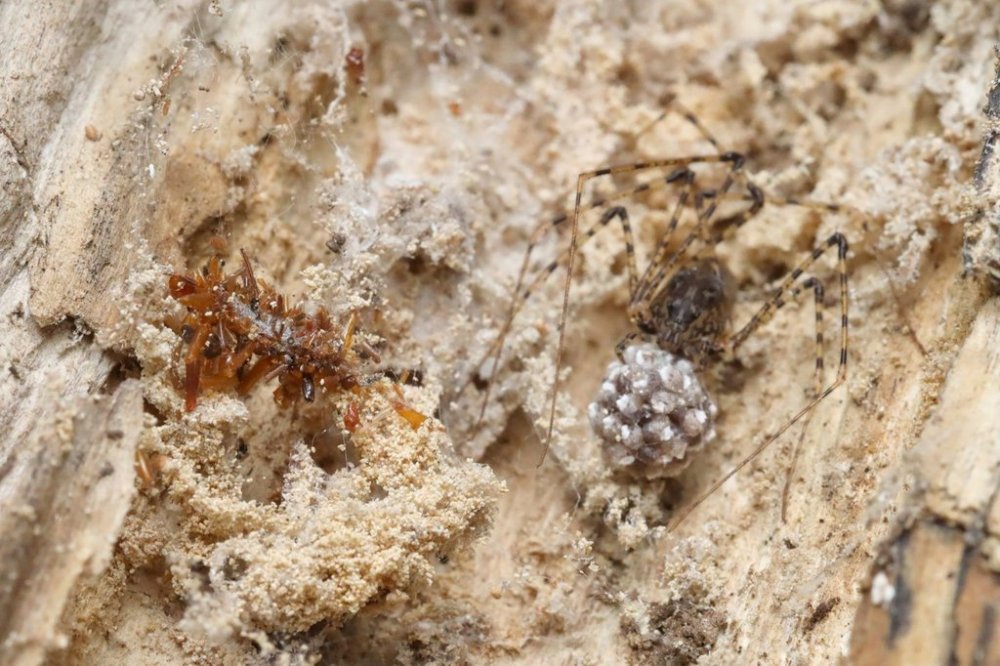
Scientists think the case might act as camouflage, allowing the caterpillar to feast on the spider’s ensnared meals without getting caught.
A host of caterpillars native to Hawaii use silk glands to spin protective cases studded with lichen, sand and other materials. This one is the first to use ant heads and fly wings.
“It really is an astonishing type of case,” said Steven Montgomery, an entomology consultant in Hawaii who was not involved with the new study.
Findings were published Thursday in the journal Science. Scientists found just 62 of the carnivorous caterpillars in over 20 years of observing.
Predatory caterpillars are extremely rare and the bone collectors found in Hawaii will even eat each other, researchers said.
The bone collector’s origins date back at least 6 million years, making the caterpillars more ancient than the Hawaiian islands themselves. Today, they dwell on an isolated patch of mountain forest alongside invasive species.
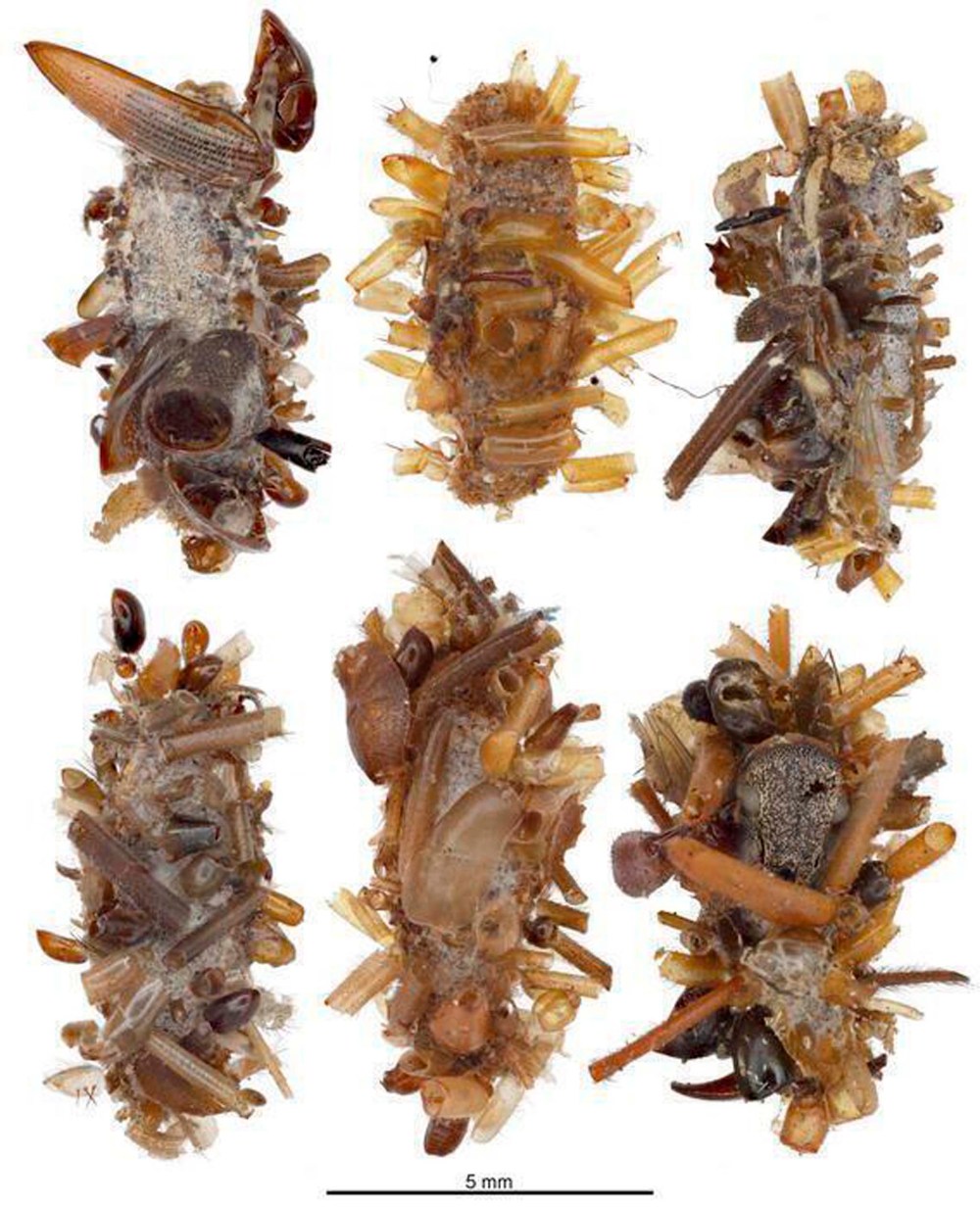
“There is really a concern that we need to do better with conservation,” said Rubinoff.
___
The Associated Press Health and Science Department receives support from the Howard Hughes Medical Institute’s Science and Educational Media Group and the Robert Wood Johnson Foundation. The AP is solely responsible for all content.