Nuclear reactor owned by Fukushima plant operator TEPCO shut down again hours after restart
Advertisement
Read this article for free:
or
Already have an account? Log in here »
To continue reading, please subscribe:

Digital Subscription
One year of digital access for only $205*
- Enjoy unlimited reading on winnipegfreepress.com
- Read the E-Edition, our digital replica newspaper
- Access News Break, our award-winning app
- Play interactive puzzles
*First annual payment billed as $205.00 + GST for one year. This annual subscription will automatically renew at $233.00 + GST every 52 weeks (10% off the regular annual price of $259.35). Offer available to new and qualified returning subscribers only. Cancel any time.
To continue reading, please subscribe:
Add Free Press access to your Brandon Sun subscription for only an additional
$1 for the first 4 weeks*
- Enjoy unlimited reading on winnipegfreepress.com
- Read the E-Edition, our digital replica newspaper
- Access News Break, our award-winning app
- Play interactive puzzles
*Your next Brandon Sun subscription payment will increase by $1.00 and you will be charged $17.95 plus GST for four weeks. After four weeks, your payment will increase to $24.95 plus GST every four weeks.
Read unlimited articles for free today:
or
Already have an account? Log in here »
Hey there, time traveller!
This article was published 22/01/2026 (238 days ago), so information in it may no longer be current.
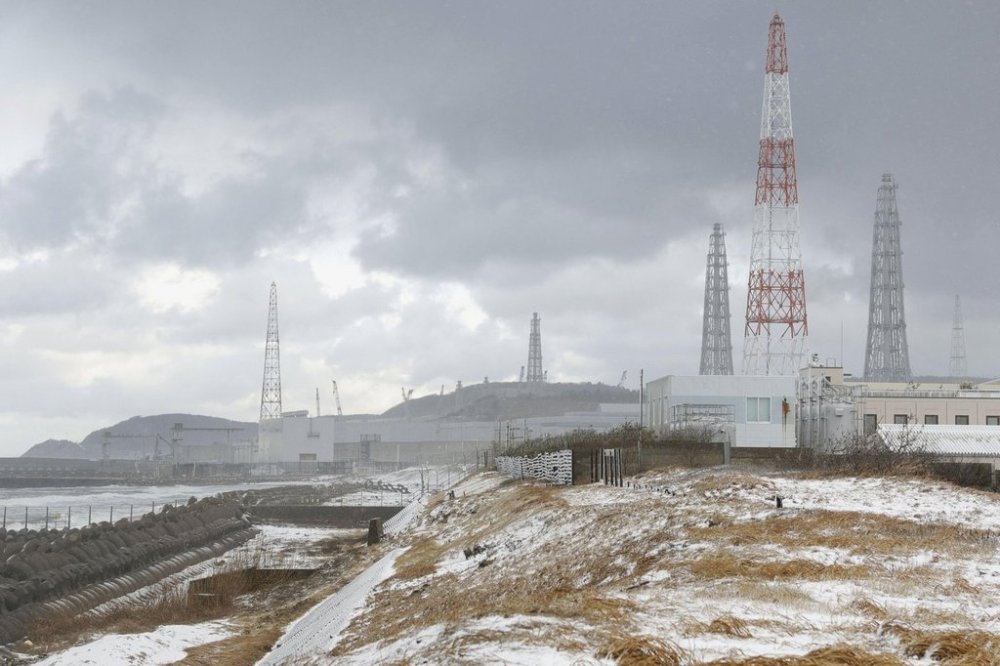
TOKYO (AP) — A reactor at the world’s largest nuclear power plant that restarted for the first time since the 2011 Fukushima nuclear disaster is now being shut down again Thursday due to a glitch that occurred hours after the unit’s resumption, its operator that also manages the wrecked Fukushima plant said.
The No. 6 reactor at the Kashiwazaki-Kariwa plant in north-central Japan reactivated Wednesday night for the first time in 14 years, as plant workers started removing neutron-absorbing control rods from the core to start stable nuclear fission.
But the process had to be suspended hours later due to a malfunction related to control rods, which are essential to safely starting up and shutting down reactors, the Tokyo Electric Power Company Holdings said. The duration of the shutdown was still unknown.
TEPCO said there was no safety issue from the glitch and it was checking the situation while suspending the restart operation. The utility later said it was putting the reactor back into shutdown for a fuller examination.
The restart at the Kashiwazaki-Kariwa plant was being watched closely since TEPCO also runs the Fukushima Daiichi plant that was ruined in the 2011 quake and tsunami and since resource-poor Japan is accelerating atomic power use to meet soaring electricity needs.
All seven reactors at Kashiwazaki-Kariwa have been dormant since a year after the meltdowns of reactors at the Fukushima plant contaminated the surrounding land with radioactive fallout so severe that some areas are still unlivable.
TEPCO is working on the cleanup at the Fukushima site that’s estimated to cost 22 trillion yen ($139 billion). It’s also trying to recover from the damage to its reputation after government and independent investigations blamed the Fukushima disaster on TEPCO’s bad safety culture and criticized it for collusion with safety authorities.
Fourteen other nuclear reactors have restarted across Japan since 2011, but the Kashiwazaki-Kariwa plant, about 220 kilometers (135 miles) northwest of Tokyo, is the first TEPCO-run unit to resume production.

A restart of the No. 6 reactor could generate an additional 1.35 million kilowatts of electricity, enough to power more than 1 million households in the capital region.
The Kashiwazaki-Kariwa plant’s combined output capacity of 8 million kilowatts makes it the world’s largest, though TEPCO plans to resume only two of the seven reactors in coming years.