Governors’ races are being increasingly buffeted by the toxic politics of data centers
Advertisement
Read this article for free:
or
Already have an account? Log in here »
To continue reading, please subscribe:

Digital Subscription
One year of digital access for only $205*
- Enjoy unlimited reading on winnipegfreepress.com
- Read the E-Edition, our digital replica newspaper
- Access News Break, our award-winning app
- Play interactive puzzles
*First annual payment billed as $205.00 + GST for one year. This annual subscription will automatically renew at $233.00 + GST every 52 weeks (10% off the regular annual price of $259.35). Offer available to new and qualified returning subscribers only. Cancel any time.
To continue reading, please subscribe:
Add Free Press access to your Brandon Sun subscription for only an additional
$1 for the first 4 weeks*
- Enjoy unlimited reading on winnipegfreepress.com
- Read the E-Edition, our digital replica newspaper
- Access News Break, our award-winning app
- Play interactive puzzles
*Your next Brandon Sun subscription payment will increase by $1.00 and you will be charged $17.95 plus GST for four weeks. After four weeks, your payment will increase to $24.95 plus GST every four weeks.
Read unlimited articles for free today:
or
Already have an account? Log in here »
HARRISBURG, Pa. (AP) — More governors are shifting their stances or taking more steps to squeeze data centers as the midterm elections near and public opinion sours on the energy-hungry behemoths that tech giants and developers are building to fuel artificial intelligence products and cloud computing.
The backlash to the massive server warehouses is enveloping races for governor in some of the nation’s biggest states and presidential battlegrounds.
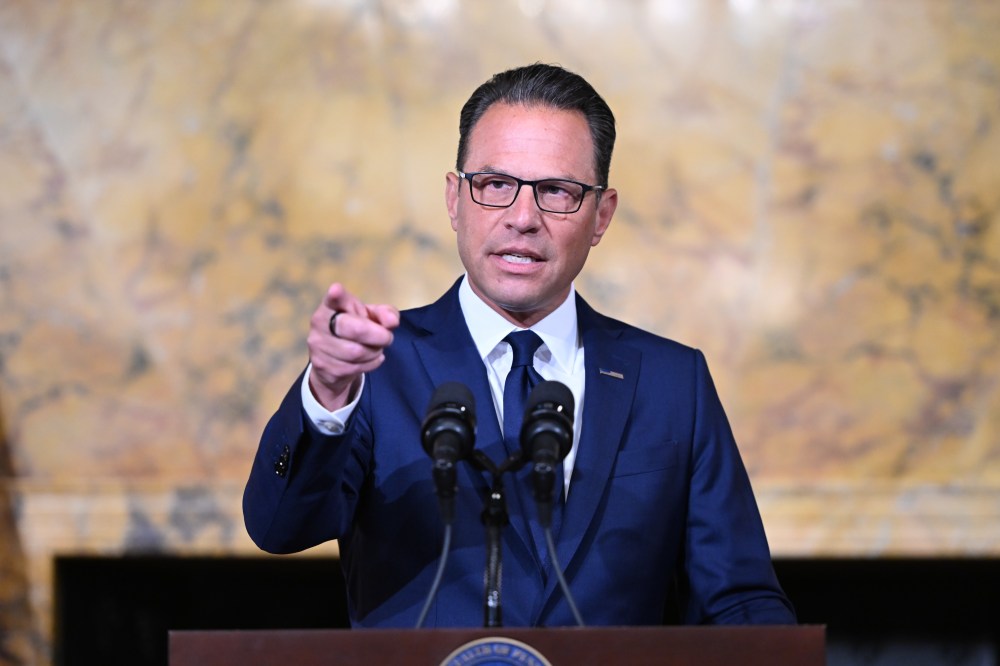
On Tuesday, Pennsylvania Gov. Josh Shapiro, a Democrat, said his administration would no longer put data center projects at the head of the line when it comes to issuing construction permits or granting developers a lucrative tax exemption if they don’t meet certain standards.
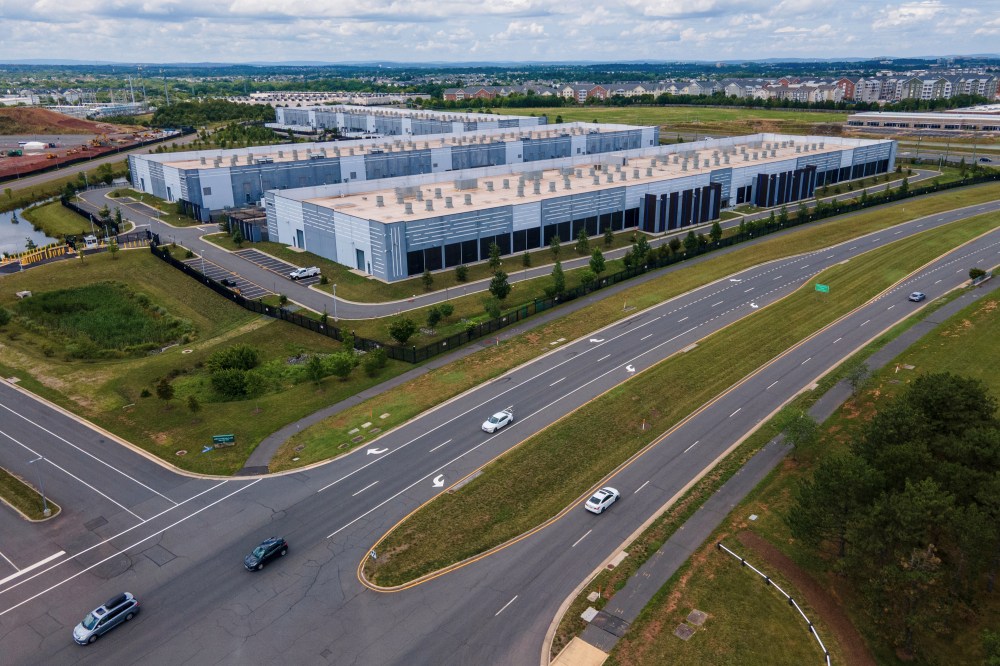
Those include plans to pay the full cost of their electricity and show how they will use advanced technology to limit water use. They also must first win local approval before they can seek state approval. They are, he said, the “strictest guardrails in the nation,” although he stopped short of imposing a moratorium on issuing permits.
Shapiro, considered a potential contender for the White House in 2028, is facing increasing pressure from his GOP opponent, Stacy Garrity, as communities across the state revolt against proposed data centers.
At a news conference, Shapiro slammed what he called “predatory developers” trying to bully local officials and ram through dozens of projects in Pennsylvania — his administration said it counted reports of more than 100 — that likely will never be built because they don’t have the financing, power supply or tech-sector clients to use the space.
“These speculators are nevertheless scaring our communities, being aggressive with township officials, bullying our neighbors, our fellow Pennsylvanians, and refusing to listen to the people,” Shapiro said. “And they are threatening to fundamentally change the character of our communities.”
In particular, he singled out developers aiming to build six campuses of about 50 server warehouses in tiny Archbald Borough that has spawned a community uprising, a lawsuit by one developer and motions by another to force the recusal of six of the town’s seven council members.
In a statement, Garrity said Shapiro “lit the fuse on the chaos we are seeing in community after community.”
Meanwhile, in Texas, Democratic challenger Gina Hinojosa released a TV ad in rural markets Tuesday accusing Republican Gov. Greg Abbott of “selling you out” to data center executives and companies.
The ad airs as Hinojosa, a state lawmaker, has aggressively looked to exploit an undercurrent of discontent in rural, Republican strongholds over data centers’ perceived threat to rural life, ranchland and dwindling water supplies.
Challengers are capitalizing on growing discontent
At one time, both Shapiro and Abbott had been cheerleaders for data centers and actively sought to recruit them, with Shapiro appearing with Amazon officials to announce a $20 billion investment in Pennsylvania, and Abbott, likewise, appearing with Google execs to announce its $40 billion investment in Texas.
But in recent weeks, Abbott ordered regulators to take steps to ensure Texans were not paying higher electricity bills because of data centers, even telling them to hold up data center projects until they complete their work.
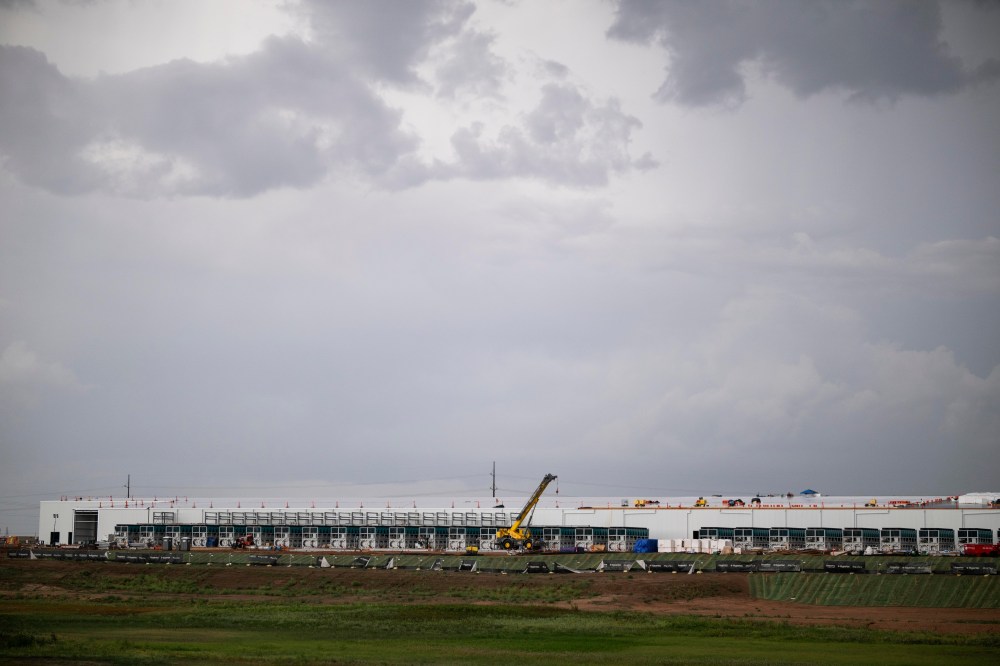
He also promised to push a legislative agenda next year to impose regulations on data centers, including taking away the state’s billion-dollar-plus-per-year tax break.
For much of the past year, a growing number of data center projects have met rejection in local zoning or permitting board votes across the U.S., as angry residents pack once-sleepy municipal meetings.
Losing open space, farmland, forest or rural character is a big concern. So is the damage to quality of life, property values or health by on-site diesel generators kicking on or the constant hum of servers. Others worry that wells and aquifers could run dry or electricity bills will skyrocket.
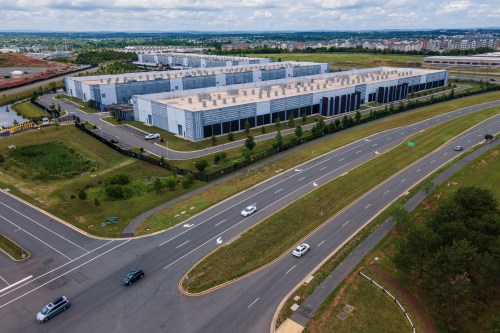
Small, under-the-radar data centers have been around for decades. But the explosion of artificial intelligence chatbots has given rise to data centers that are larger than anything just about any town has ever seen. Some of them dwarf football stadiums and factories and use more energy than small cities.
States trying to tighten the screws on data centers
In some states, governors and lawmakers are trying to force data centers to pay for their own electricity supply, limit their water use, disclose more about their operations and do more to win community support. They are also chafing at the rising tab for the sales tax exemption most states offer data centers.
In Arizona, Democratic Gov. Katie Hobbs, who is seeking reelection, got lawmakers to agree to slap a three-year moratorium on the state’s sales tax exemption for data centers. Hobbs, who had voted to create the tax credits when she was a legislator, called it a “corporate handout.”
New York Gov. Kathy Hochul, a Democrat seeking reelection, ordered a one-year ban on large data centers to give the state time to impose protections for the environment and its energy grid.
Shapiro isn’t the only potential 2028 White House hopeful to step up his criticism of data centers. Illinois Gov. JB Pritzker, a Democrat running for a third term, halted new sales tax exemptions for data centers there until lawmakers impose tougher standards on their operations.
In Ohio, the Democratic and Republican nominees for governor — Dr. Amy Acton and Vivek Ramaswamy — in recent days each unveiled dueling data center policies that called for developers to meet tougher standards before being built.
Data center opposition isn’t necessarily a golden ticket
In Wisconsin, the Democratic nominee for governor, David Crowley, narrowly defeated a challenger who made her call for a one-year moratorium on data center construction a centerpiece of her campaign.
Crowley has taken a more nuanced approach, saying local communities must have veto authority, while also saying data centers are a part of the modern economy and could bring significant economic benefits to the state.

His Republican opponent, U.S. Rep. Tom Tiffany, has attacked Crowley on the issue, including a TV ad released this week where he calls him “Data Center David Crowley.”
___
Associated Press writers Scott Bauer in Madison, Wisconsin, and J.J. Cooper in Phoenix contributed to this report.
___
Follow Marc Levy at http://twitter.com/timelywriter.