Setting the world on fire
One year ago, the ignition of the #MeToo movement helped turn women's anger into action

Advertisement
Read this article for free:
or
Already have an account? Log in here »
To continue reading, please subscribe:

Digital Subscription
One year of digital access for only $205*
- Enjoy unlimited reading on winnipegfreepress.com
- Read the E-Edition, our digital replica newspaper
- Access News Break, our award-winning app
- Play interactive puzzles
*First annual payment billed as $205.00 + GST for one year. This annual subscription will automatically renew at $233.00 + GST every 52 weeks (10% off the regular annual price of $259.35). Offer available to new and qualified returning subscribers only. Cancel any time.
To continue reading, please subscribe:
Add Free Press access to your Brandon Sun subscription for only an additional
$1 for the first 4 weeks*
- Enjoy unlimited reading on winnipegfreepress.com
- Read the E-Edition, our digital replica newspaper
- Access News Break, our award-winning app
- Play interactive puzzles
*Your next Brandon Sun subscription payment will increase by $1.00 and you will be charged $17.95 plus GST for four weeks. After four weeks, your payment will increase to $24.95 plus GST every four weeks.
Read unlimited articles for free today:
or
Already have an account? Log in here »
Hey there, time traveller!
This article was published 15/10/2018 (2833 days ago), so information in it may no longer be current.
There’s a scene in the AMC TV series Mad Men in which Joan Holloway (Christina Hendricks) is in an elevator with her colleague Peggy Olson (Elisabeth Moss). The women are leaving a business meeting at which Joan has been openly and repeatedly sexually harassed.
She waits until the doors close. She doesn’t yell, her flinty gaze is fixed straight ahead. And then she says the now-famous line: “I want to burn this place down.”
The year in which this scene is set is 1970, but it resonated with modern women.
The scene was instantly turned into an animated GIF, and became internet shorthand for all the things women should like to burn down: namely, their sexist workplaces and the systems that protect and privilege abusers.
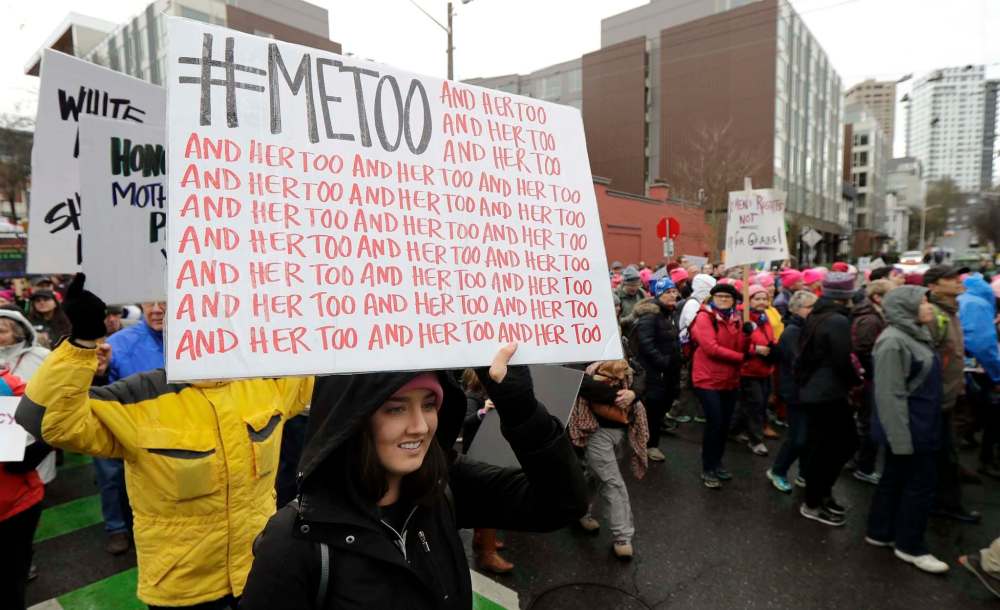
Well, one year ago today, women set the world aflame. A movement, originally founded in 2006 by an African-American civil-rights activist named Tarana Burke, was reignited by a tweet from actress Alyssa Milano: “If all the women who have been sexually harassed or assaulted wrote ‘Me too’ as a status, we might give people a sense of the magnitude of the problem.”
The New York Times had just published its explosive investigation into movie producer Harvey Weinstein, who had, for decades, paid off his sexual assault accusers.
Women who had everything spoke up. They relived their trauma, some breaking decades-long silences. #MeToo. #MeToo. #MeToo. As insistent as a heartbeat. A pulse that shook the foundations of the systems that allowed this to happen.
#MeToo ushered in what would be called the “post-Weinstein era.” Bad men across industries toppled from their prestigious pedestals. The movement changed the world irrevocably, in all areas: television, journalism, the law. Our workplaces, our homes.
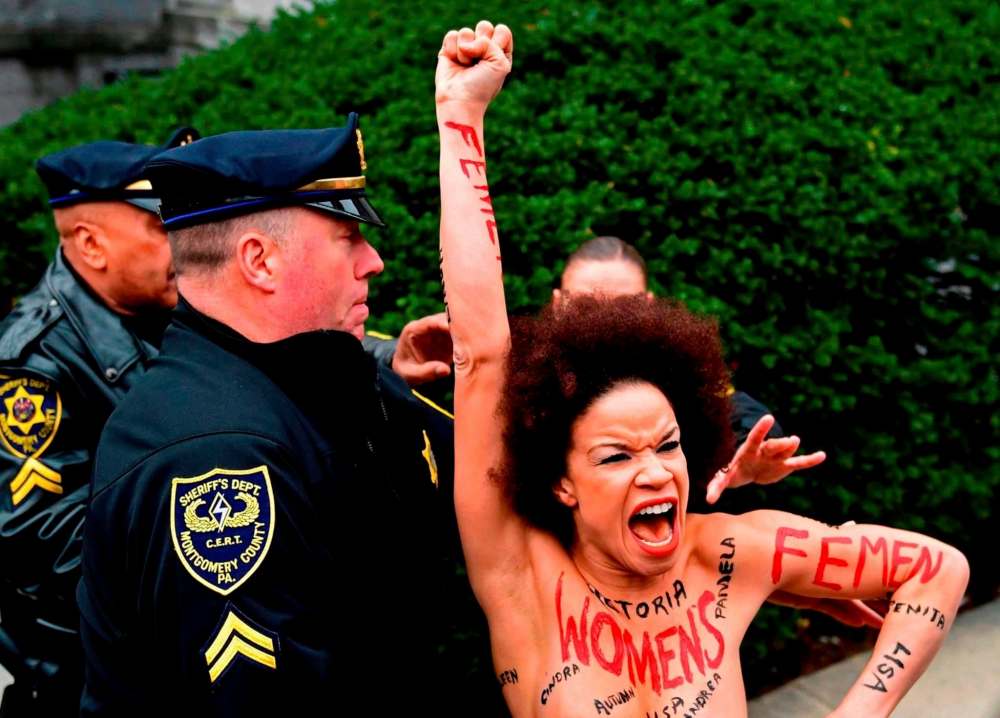
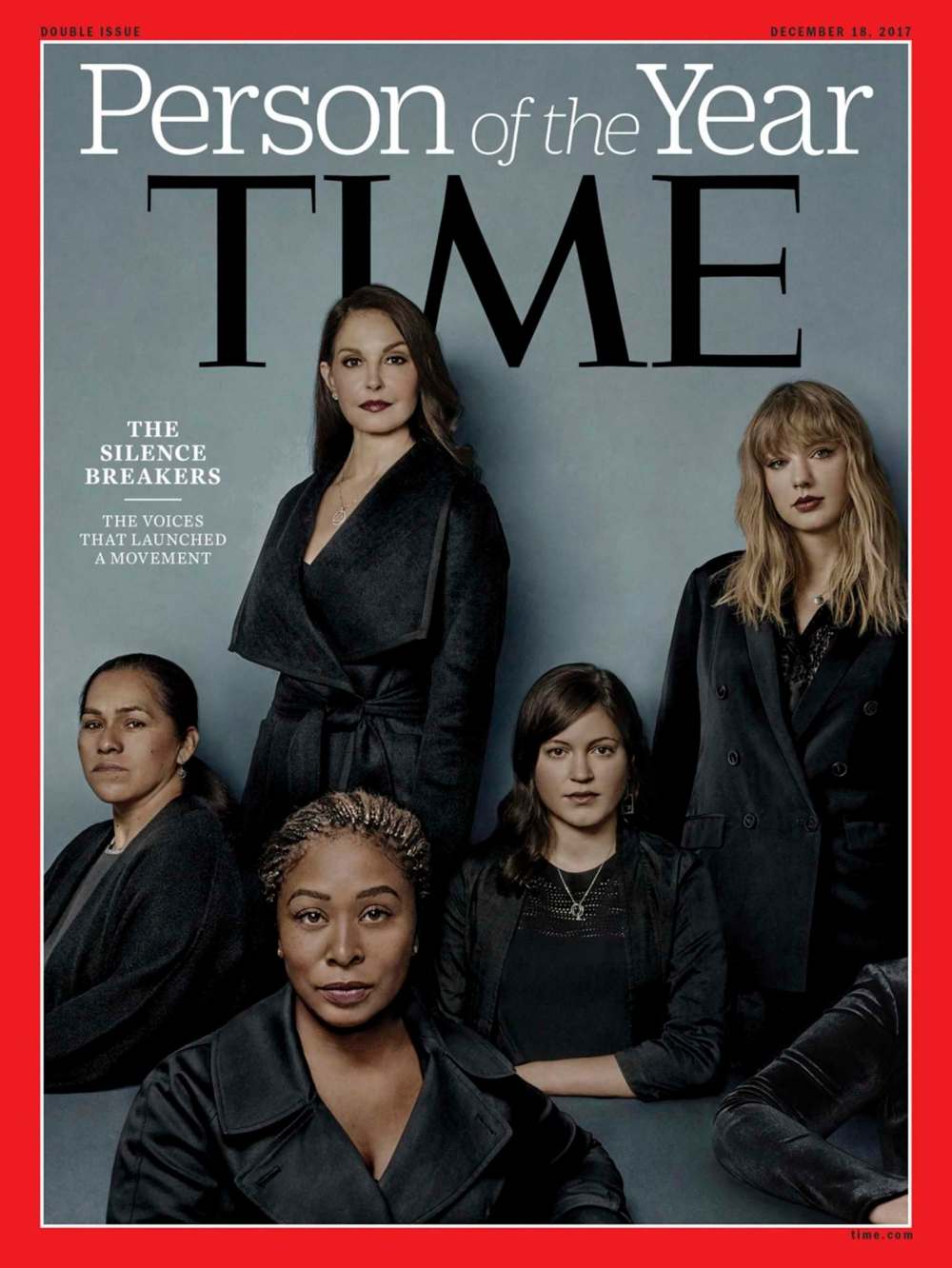
Change and progress are notoriously slow, but #MeToo was an accelerant. At the end of 2017, when the movement was still in its infancy, Time named its person of the year: The Silence Breakers.
Power, it seemed, was starting to shift in a way we’ve never seen, as a direct result of women coming together and using their voices.
Of course, not all glass ceilings have shattered. Men still hurt women, and powerful men who have been accused of sexual assault still get to do things like be the president of the United States or sit on the U.S. Supreme Court. But despite the crushing exhaustion, women are persisting and resisting.
This will go down as the year the women got angry, but that’s not entirely accurate. The anger has always been there, simmering just below the surface. It was stifled, belittled, dismissed and laughed at. When it bubbled up, it was pushed back down — sometimes by a society, sometimes by our own two hands.
It’s telling that multiple books about the power of women’s anger hit bookshelves in 2018: Soraya Chemaly’s Rage Becomes Her: The Power of Women’s Anger; Rebecca Traister’s Good and Mad: The Revolutionary Power of Women’s Anger; Brittany Cooper’s Eloquent Rage: A Black Feminist Discovers Her Superpower; and Gemma Hartley’s Fed Up: Emotional Labor, Women and the Way Forward.
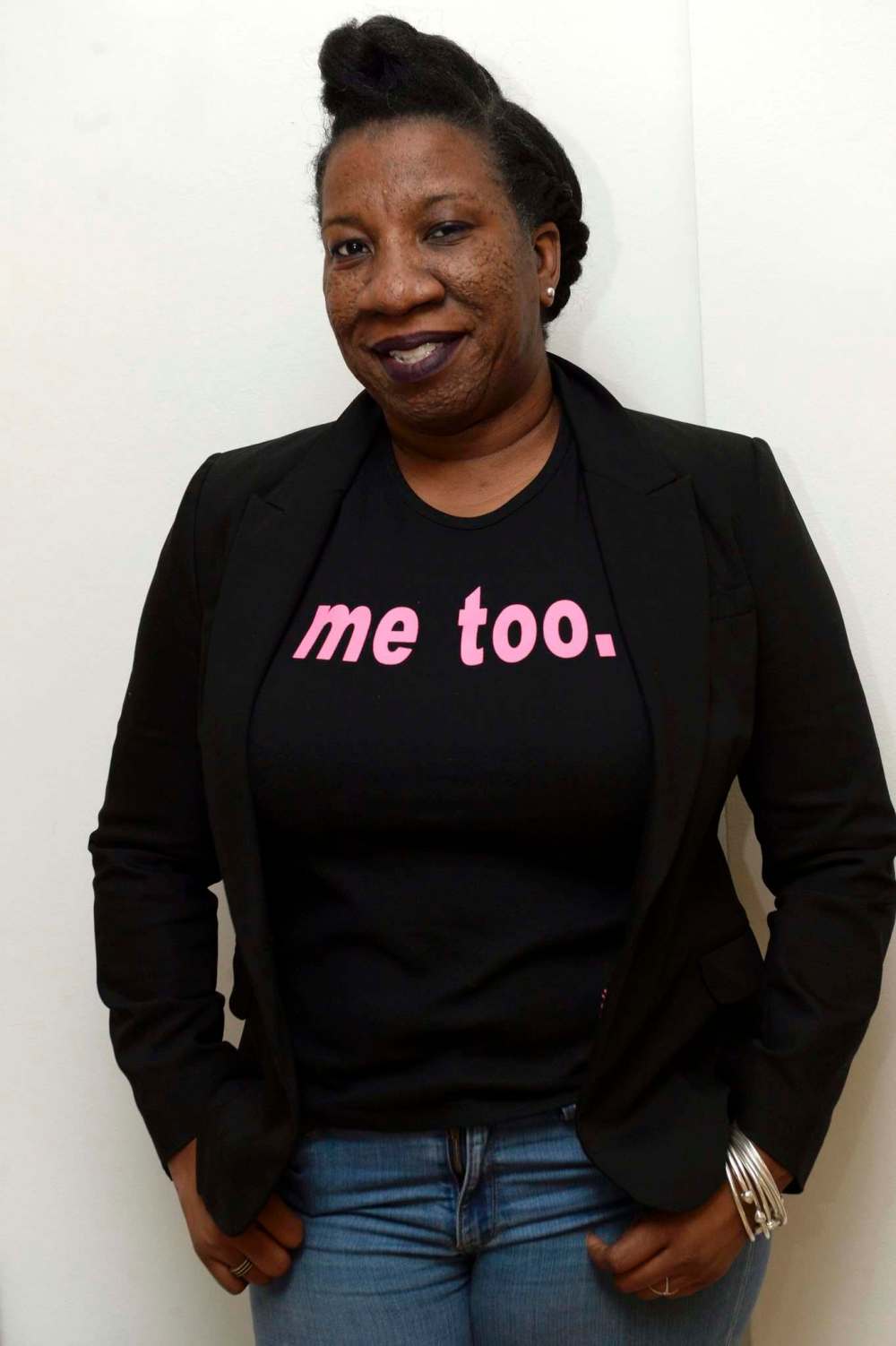

The anger isn’t new, but the expression of it is. Anger, we’ve learned, can be useful, but it can only be useful if it becomes action.
Well, this was the year women’s anger became action. This was the year women’s anger got results. Perhaps most significantly, this was the year women’s anger got the respect it deserves.
This was the year we showed up. We showed up for ourselves and for each other. We showed up to protests and wrote letters to the editor and called our politicians. We rallied and raged and cried.
We burned it down. The wreckage is still smouldering. But now, we can start to rebuild.
jen.zoratti@freepress.mb.caTwitter: @JenZoratti
Jen Zoratti is a columnist and feature writer working in the Arts & Life department, as well as the author of the weekly newsletter NEXT. A National Newspaper Award finalist for arts and entertainment writing, Jen is a graduate of the Creative Communications program at RRC Polytech and was a music writer before joining the Free Press in 2013. Read more about Jen.
Every piece of reporting Jen produces is reviewed by an editing team before it is posted online or published in print – part of the Free Press‘s tradition, since 1872, of producing reliable independent journalism. Read more about Free Press’s history and mandate, and learn how our newsroom operates.
Our newsroom depends on a growing audience of readers to power our journalism. If you are not a paid reader, please consider becoming a subscriber.
Our newsroom depends on its audience of readers to power our journalism. Thank you for your support.
Jen Zoratti is a columnist and feature writer working in the Arts & Life department, as well as the author of the weekly newsletter NEXT. A National Newspaper Award finalist for arts and entertainment writing, Jen is a graduate of the Creative Communications program at RRC Polytech and was a music writer before joining the Free Press in 2013. Read more about Jen.
Every piece of reporting Jen produces is reviewed by an editing team before it is posted online or published in print – part of the Free Press‘s tradition, since 1872, of producing reliable independent journalism. Read more about Free Press’s history and mandate, and learn how our newsroom operates.
Our newsroom depends on a growing audience of readers to power our journalism. If you are not a paid reader, please consider becoming a subscriber.
Our newsroom depends on its audience of readers to power our journalism. Thank you for your support.
Advertisement Advertise With Us
Advertisement Advertise With Us