US regulators outline oversight on meat grown in lab dishes
Advertisement
Read this article for free:
or
Already have an account? Log in here »
To continue reading, please subscribe:

Digital Subscription
One year of digital access for only $205*
- Enjoy unlimited reading on winnipegfreepress.com
- Read the E-Edition, our digital replica newspaper
- Access News Break, our award-winning app
- Play interactive puzzles
*First annual payment billed as $205.00 + GST for one year. This annual subscription will automatically renew at $233.00 + GST every 52 weeks (10% off the regular annual price of $259.35). Offer available to new and qualified returning subscribers only. Cancel any time.
To continue reading, please subscribe:
Add Free Press access to your Brandon Sun subscription for only an additional
$1 for the first 4 weeks*
- Enjoy unlimited reading on winnipegfreepress.com
- Read the E-Edition, our digital replica newspaper
- Access News Break, our award-winning app
- Play interactive puzzles
*Your next Brandon Sun subscription payment will increase by $1.00 and you will be charged $17.95 plus GST for four weeks. After four weeks, your payment will increase to $24.95 plus GST every four weeks.
Read unlimited articles for free today:
or
Already have an account? Log in here »
Hey there, time traveller!
This article was published 07/03/2019 (2700 days ago), so information in it may no longer be current.
NEW YORK – Burgers made by growing cow cells in a lab dish have a clearer path to reaching supermarkets as U.S. regulators on Thursday outlined how the emerging food category will be monitored.
The U.S. Department of Agriculture said meat from cultured animal cells will have to undergo agency inspection, as with other meat and poultry products. Carmen Rottenberg of the USDA said she expects inspections to be similar to those for other meat-processing plants, but noted that a lot remains unknown since companies haven’t yet scaled up to commercial production.
Rottenberg also says the agency expects a new label will be required for cell-cultured meat, meaning it likely won’t be able to simply use terms like “ground beef” or “hamburger.”
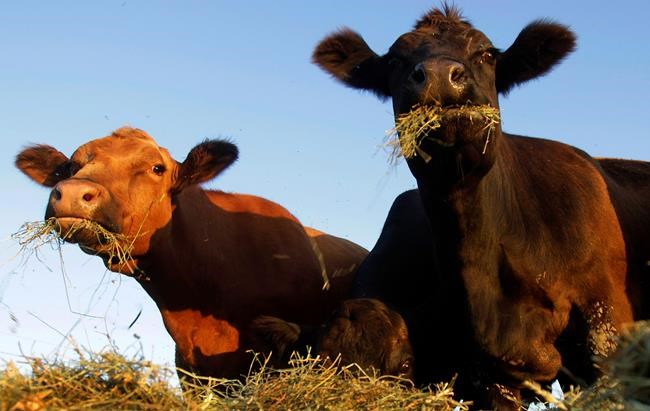

Startups developing cell-cultured meat say their products would be more humane and environmentally friendly, since they don’t require raising and slaughtering animals. It wasn’t known how cultured meat would be regulated until November, when the USDA and Food and Drug Administration said they would share oversight.
The agreement on joint oversight, formalized Thursday, says the FDA will regulate the first stages of the process, including cell collection and growth, before handing off oversight of production and labeling to the USDA. The agencies say they’ll continue working out details of how to regulate the products.