Whole new universe
Black Panther not first superhero busting down walls
Advertisement
Read this article for free:
or
Already have an account? Log in here »
To continue reading, please subscribe:

Digital Subscription
One year of digital access for only $205*
- Enjoy unlimited reading on winnipegfreepress.com
- Read the E-Edition, our digital replica newspaper
- Access News Break, our award-winning app
- Play interactive puzzles
*First annual payment billed as $205.00 + GST for one year. This annual subscription will automatically renew at $233.00 + GST every 52 weeks (10% off the regular annual price of $259.35). Offer available to new and qualified returning subscribers only. Cancel any time.
To continue reading, please subscribe:
Add Free Press access to your Brandon Sun subscription for only an additional
$1 for the first 4 weeks*
- Enjoy unlimited reading on winnipegfreepress.com
- Read the E-Edition, our digital replica newspaper
- Access News Break, our award-winning app
- Play interactive puzzles
*Your next Brandon Sun subscription payment will increase by $1.00 and you will be charged $17.95 plus GST for four weeks. After four weeks, your payment will increase to $24.95 plus GST every four weeks.
Read unlimited articles for free today:
or
Already have an account? Log in here »
Hey there, time traveller!
This article was published 17/03/2018 (3038 days ago), so information in it may no longer be current.
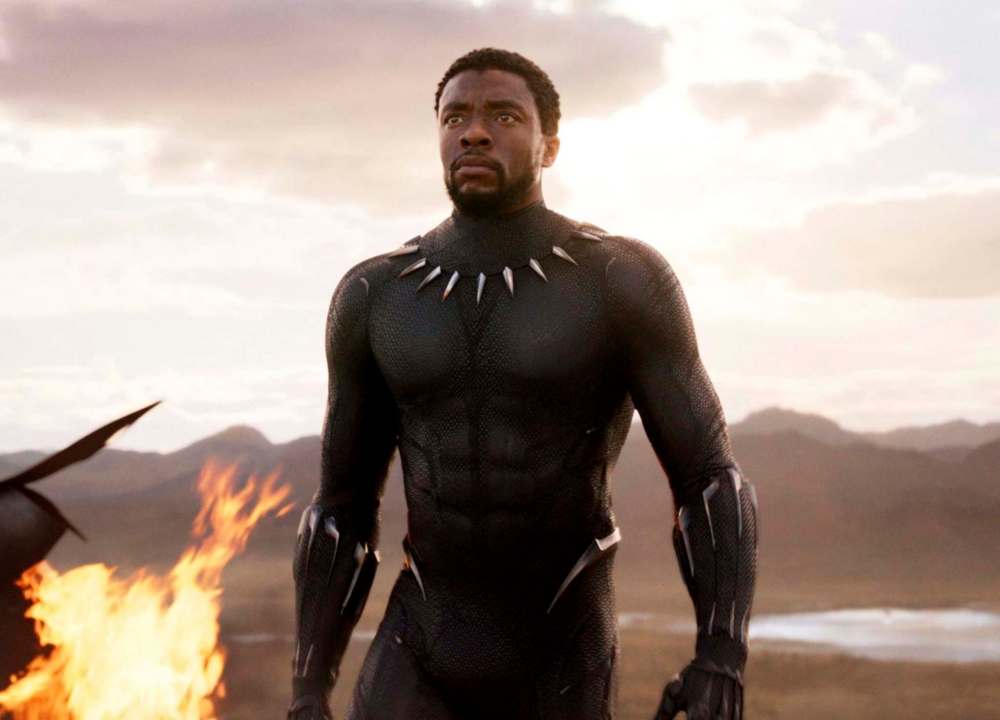
Unless you’ve been hiding in a drain pipe for the past month, you’ll know Black Panther has been shredding the competition at the box office.
With Chadwick Boseman starring as the ruler of the fictional African nation of Wakanda and a masked warrior known as the Black Panther, it’s the first Marvel movie to feature a black superhero in the lead role.
Less than a month after hitting theatres, the blockbuster film is shattering box office records, topping US$1.1-billion in global receipts last week, making it the highest-grossing movie of the year in North America and internationally.
It’s already the 18th-highest grossing film of all time, and only the 33rd film to cross the $1-billion mark worldwide.
The cultural impact of the movie is even bigger than its financial milestones. Around the world, black athletes have begun celebrating victories using the crossed-arms “Wakanda Forever” salute taken from the movie.
“Now, for the first time, millions of black Americans can take their children to a movie where blacks are not portrayed as slaves,” wrote Orlando Sentinel columnist Jay Hoffman.
“They’re not fighting to overcome poverty or racism. They’re not merely one in a larger group of good guys — not on the periphery, but at the epicentre.”
He’s breaking barriers at the box office, but Black Panther is not the only crime-fighting hero of colour, as we see from today’s historic list of Five Famous Black Superheroes from the Comic Book Universe:
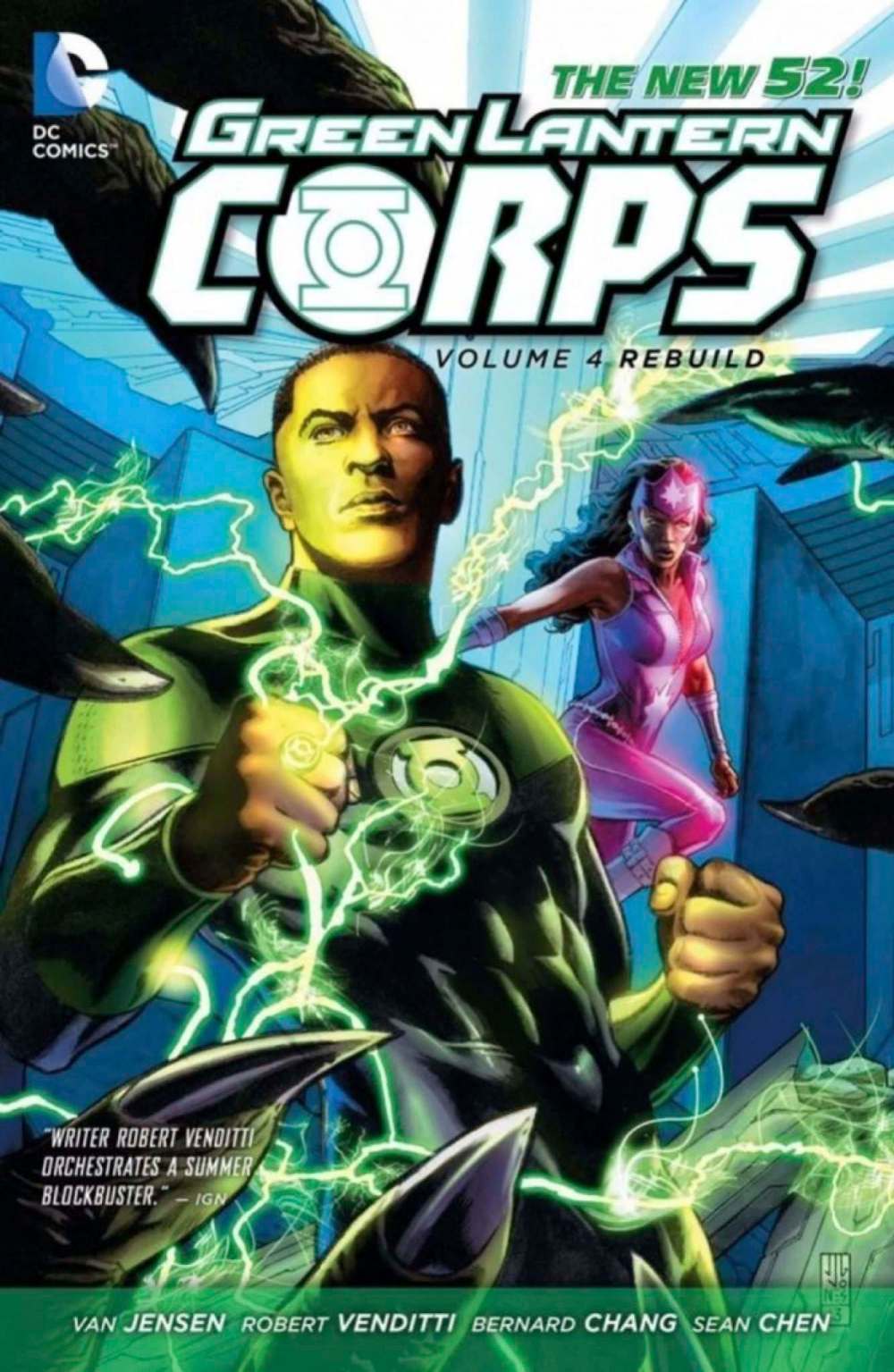
5) The superhero: Green Lantern
His real name: John Stewart
The super story: For those of you who don’t read comic books, Green Lantern is a superhero who flies around and protects the galaxy using his power ring, which can create anything his imagination can drum up.
Over the years, there has been a host of Green Lanterns, all members of the so-called Green Lantern Corps, a sort of interstellar law enforcement agency overseen by the Guardians of the Universe, a fictional race of extraterrestrials.
The one thing all the Green Lantern heroes had in common was the fact they were white males, but that all changed in 1971 with the introduction of John Stewart, who became the first African-American superhero to appear in DC Comics.
DC was a little late to the diversity party in the sense T’Challa, the king of Wakanda and the hero known as Black Panther, made his debut in a July 1966 Marvel Comics issue alongside the Fantastic Four. Marvel was a hip groundbreaker, whereas DC “remained stubbornly old-fashioned until late in the ’60s, when younger writers and artists like Dennis O’Neil and Neal Adams were given more freedom to modernize,” according to the website TheWeek.com.
“In 1971, during O’Neil and Adams’ groundbreaking run on Green Lantern, they introduced the character John Stewart, a backup Green Lantern who struggled initially to earn the main hero’s trust. The first cover featuring Stewart portrayed him as a defiantly angry black man ‘who really means it when he warns… Beware my power!’”
On creating Stewart, artist Adams said: “Given the racial makeup of the world’s population, we ought to have a black Green Lantern, not because we’re liberals, but because it just makes sense.”
The storyline has Stewart as a U.S. marine veteran from Detroit who is selected as a backup to then-Lantern Hal Jordan after the previous backup is hit by a car saving a civilian. He eventually takes over from Jordan, but refuses to cover his face with a mask.
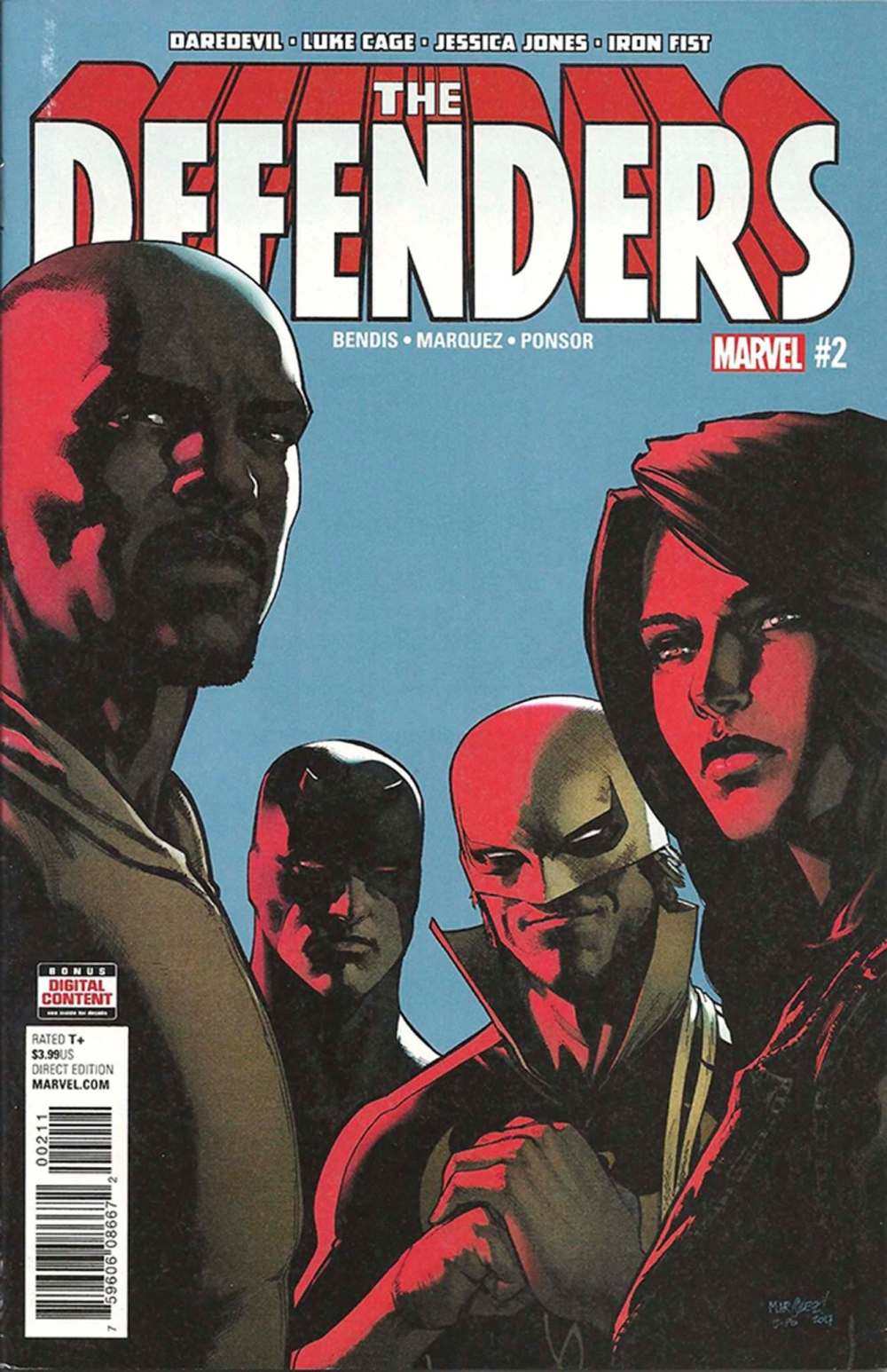
4) The superhero: Luke Cage (a.k.a. Power Man)
His real name: Carl Lucas
The super story: What you need to know is that before the popular Netflix series, Luke Cage was a star in the comic-book universe. In fact, Cage is credited as the first black superhero to be featured as the main protagonist and title character of his own comic book.
The character made his first appearance in Luke Cage, Hero for Hire in June 1972 and was the brainchild of Marvel artists Roy Thomas, Archie Goodwin and John Romita Sr. Cage came along during the height of the so-called Blaxploitation genre, highlighted by films created mainly for black audiences with characters known for broad stereotypes.
Cage’s backstory is that he is an ex-convict, imprisoned for a crime he did not commit, who gains the powers of super-human strength and unbreakable skin after being subjected voluntarily to an experimental procedure while behind bars. After being freed, Cage becomes a so-called “hero for hire” and teams up with fellow hero Iron Fist as part of the appropriately named duo, Power Man and Iron Fist. He fights for the common man and his adventures are set in a grungier, more crime-dominated New York City than that inhabited by other Marvel heroes of the day.
Gushes the website ComicVine.GameSpot.com: “Sweet Christmas! With skin more powerful than titanium, with combat expertise and super strength to boot, Luke Cake is one of the central members of the modern day New Avengers. He’s also a family man with a wife and kid, who you better not mess with if you want your teeth still in your mouth.”
Along with comics, Cage is featured in a host of video games and, on Netflix, is portrayed by thickly-muscled actor Mike Colter, who first played the character in 2015 on the series Jessica Jones before the spinoff series, Luke Cage, launched in 2016.
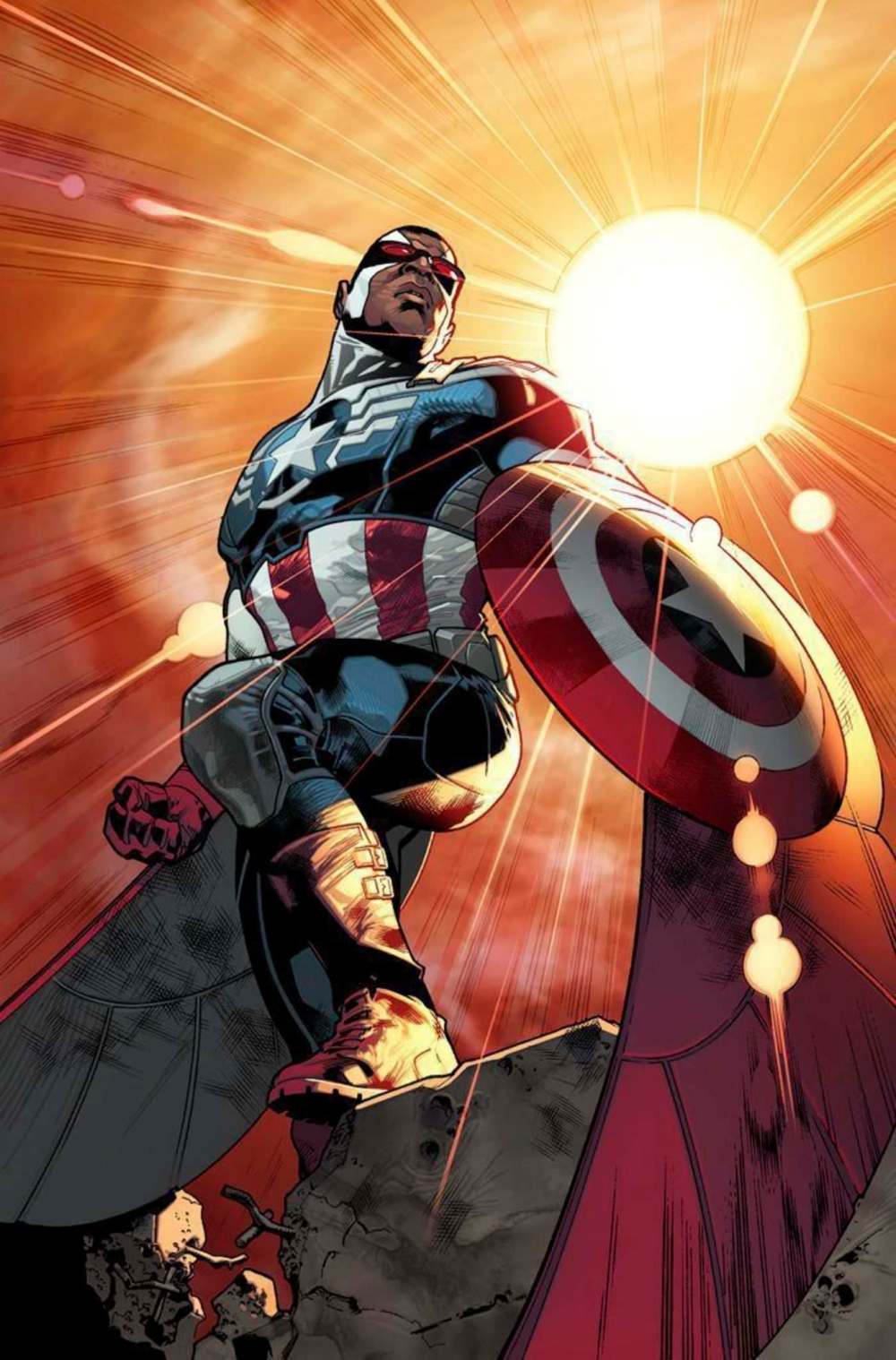
3) The superhero: The Falcon
His real name: Sam Wilson
The super story: If you’ve seen any of the recent Marvel movies, especially The Avengers and Captain America films, you’ve seen Falcon, as portrayed by actor Anthony Mackie, zipping through the skies with his high-tech mechanical wings.
Before the big screen, however, Falcon was a groundbreaking hero in the comics. When he was introduced back in 1969 in a trio of Captain America comics, Falcon made history as the first African-American mainstream superhero.
He wasn’t the first black superhero, as that honour went to Black Panther back in 1966.
He was created by Marvel’s famed writer-editor Stan Lee and artist Gene Colan.
“The Falcon was the very first African-American superhero, as opposed to the Black Panther, who preceded him, but wasn’t American,” Marvel senior vice-president of publishing Tom Brevoort told the website HighSnobiety.com.
“In a time when the struggle for civil rights was very much at the forefront of the American dialogue, The Falcon brought some of those issues concerning the black experience onto the comic book page for the very first time. He was so popular that he rapidly became a co-headliner on the series. Not just a reflection of Cap, The Falcon was his own man, and steadily expanded on and improved his arsenal of weaponry and powers, aided by characters such as the Black Panther, who developed the Falcon’s wings.”
He is also the first superhero of colour to get his own action figure back in the 1970s. According to the website of Comic Book Resources, Sam Wilson, a former Harlem resident, became friends with Captain America and his persona was created after the Nazi villain Red Skull fused Sam with a falcon named Redwing in order to manipulate him.
“As The Falcon, Sam Wilson has a psychic link with Redwing that can be used to literally get a bird’s-eye view of things. He also has a cybernetic uniform designed by Black Panther that allows him to fly, be resistant to small firearms and see things via infrared lenses… In his most recent comic book appearance, Sam Wilson became the newest Captain America and leader of the Avengers after an aged Steve Rogers passed the mantle onto him.”
2) The superhero: Storm
Her real name: Ororo Munroe
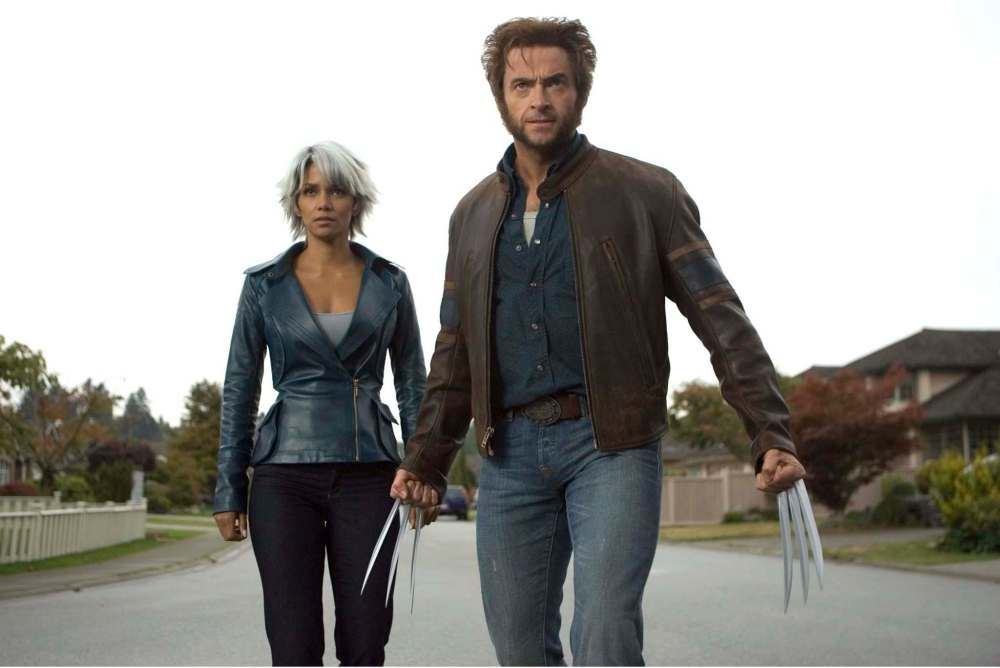
The super story: The first major black female superhero in the world of comics — one of the leaders of a famed group of mutants known as the X-Men — has famously been portrayed on the silver screen by Academy Award-winning actress Halle Berry.
Storm blew into the comic book world in May 1975 in Giant-Size X-Men No. 1 because Marvel editors didn’t want the X-Men team to be a male-only band of heroes. She was created by writer Len Wein and artist Dave Cockrum, who initially imagined a hero with cat-related abilities but quickly realized that was a stale idea.
As the story goes, Storm is descended from a long line of African witch-priestesses and, thanks to being a mutant, is able to control the weather and atmosphere and fly around battling evil-doers.
“Ororo Munroe is probably one of the most recognizable female comic book characters of all time, and there’s a reason for that,” gushes the website ComicVine.GameSpot.com. “Her power over the forces of nature is almost unparallelled and she has led the X-Men through many gruelling battles against evil-doers. She rocks, and she rocks a mohawk (hairstyle) occasionally.”
In the comics, she was born to a tribal princess of Kenya and an American photojournalist father, then raised in Harlem and Cairo, before being orphaned when her parents were killed in a Mideast conflict. Professor X, founder of the X-Men, recruits her to fight for peace and equal rights between mutants and humans.
What we are talking about is a hero considered close to being on par with DC Comics’ Wonder Woman, whom Storm defeated in a one-on-one fight in 1996. Until Black Panther burst onto the big screen, Storm was seen as the most successful and recognizable black superhero.
Author Gladys L. Knight, who has written books on women in comics, says the “two defining aspects of her persona are her racial identity and her social status as a mutant.”
1) The superhero: Spider-Man
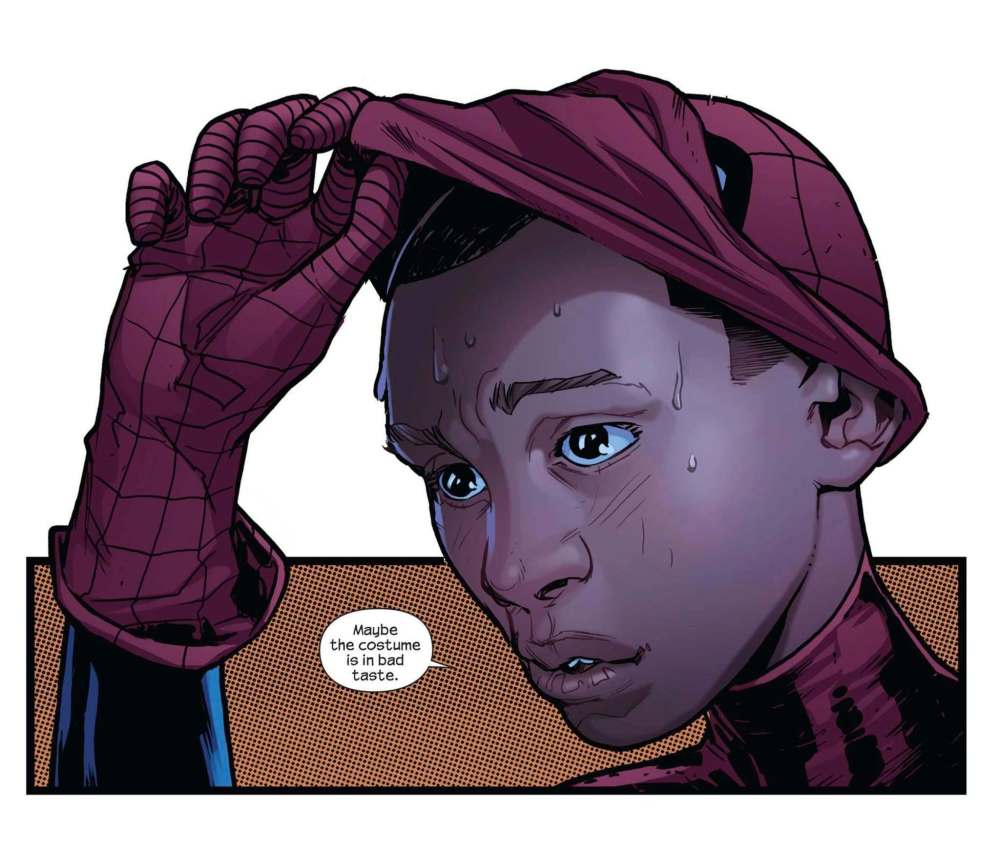
His real name: Miles Morales
The super story: As veteran readers are keenly aware, when it comes to comic books, there are many universes. Which explains how, in August 2011, in the Ultimate Marvel Universe — a separate reality from the mainstream Marvel Universe — a black Puerto Rican teenager named Miles Morales became the newest Spider-Man after the supposed death (Spoiler alert: he survives) of the first Spider-Man, Peter Parker.
Marvel’s editors drew inspiration for the character from two well-known sources — Barack Obama and actor/rapper Donald Glover, who once appeared on the TV comedy Community in Spider-Man pyjamas.
Morales is the first black version of the hero, but it’s the second time a Latino character has taken on Spidey’s identity as Miguel O’Hara, who is of half-Mexican descent, was the title character in the 1990s series Spider-Man 2099.
The notion of a black Spider-Man was discussed in Marvel offices mere months before Obama’s election in 2008. According to former Marvel editor-in-chief Axel Alonso: “When we were planning Ultimatum, we realized that we were standing at the brink of America electing its first African-American president and we acknowledged that maybe it was time to take a good look at one of our icons … We realized we had the opportunity to create a new Spider-Man. And Miles Morales was born.”
The arrival of a black Spider-Man was met with some controversy, as critics feared it was simply a PR stunt. Others, including Marvel legend Stan Lee, hailed the move for creating a positive African-American role model.
Says ComicVine.GameSpot.com: “Miles made quite the controversy when he debuted. However, he shows incredible promise as a great hero in the future, and has done some pretty awesome things in his relatively short tenure in the comics. He made sure that Spider-Man’s legacy lives on!”
It seems important to remember that, while Black Panther is standing at No. 1 at the box office, in the vast comic book universe he doesn’t stand alone.
doug.speirs@freepress.mb.ca