

Non-voters aren’t criminals
Advertisement
Read this article for free:
or
Already have an account? Log in here »
To continue reading, please subscribe:

Digital Subscription
One year of digital access for only $205*
- Enjoy unlimited reading on winnipegfreepress.com
- Read the E-Edition, our digital replica newspaper
- Access News Break, our award-winning app
- Play interactive puzzles
*First annual payment billed as $205.00 + GST for one year. This annual subscription will automatically renew at $233.00 + GST every 52 weeks (10% off the regular annual price of $259.35). Offer available to new and qualified returning subscribers only. Cancel any time.
To continue reading, please subscribe:
Add Free Press access to your Brandon Sun subscription for only an additional
$1 for the first 4 weeks*
- Enjoy unlimited reading on winnipegfreepress.com
- Read the E-Edition, our digital replica newspaper
- Access News Break, our award-winning app
- Play interactive puzzles
*Your next Brandon Sun subscription payment will increase by $1.00 and you will be charged $17.95 plus GST for four weeks. After four weeks, your payment will increase to $24.95 plus GST every four weeks.
Read unlimited articles for free today:
or
Already have an account? Log in here »
Hey there, time traveller!
This article was published 14/08/2012 (5114 days ago), so information in it may no longer be current.
Thousands of young Quebecers took to the streets last spring to protest the province’s plan to boost university tuition rates, but the demonstrations evolved into a movement for broad reform in la belle province. Now, with a provincial election set for Sept. 4, it remains to be seen if that populist spirit will be translated into action in the voting booth.
The prospects for a higher-than-normal turnout among young people were bolstered when Léo Bureau-Blouin, the former head of Quebec’s main association of college students, decided to contest a seat on behalf of the Parti Québécois.
But despite the alignment of the stars for a higher turnout by young people, confidence in such a result remains low.
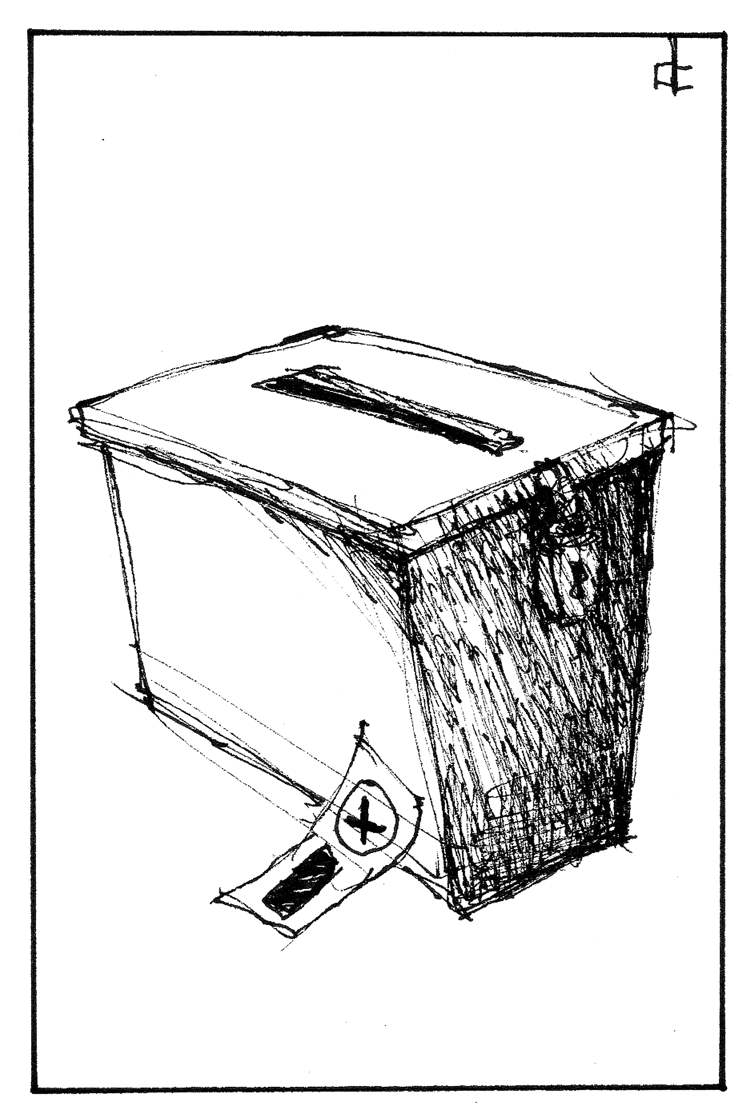
As a result, the Institut du Nouveau Monde in Quebec, a non-profit group promoting civic participation, is calling for compulsory voting in provincial elections. The group says its research shows young people are politically disengaged and the only way to change that is to force them into the voting booth.
The group says only one in three people under 25 voted in the last election, which is about the same across Canada. “That means, in that generation, in an aging society, it’s a kind of political suicide,” the group’s director, Michel Venne, said.
There are many good arguments for compulsory voting, but to mangle a maxim from Winston Churchill: The current voluntary system may be terrible, but it’s still better than all the mandatory voting systems in the world.
Proponents of compulsory voting say casting a ballot is a civic duty that cannot be shirked, much like obedience to any law is necessary to the proper functioning of a society. It would also ensure that political parties campaign on behalf of every citizen, not just those who tend to vote.
Forced voting would require the electorate to become more engaged in the issues, leading to a stronger democracy, according to advocates.
Many countries have compulsory voting, but only a handful enforce it. Some impose small fines, others remove driving privileges for scofflaws, while some countries prohibit non-voters from working for the government. In Australia, about five per cent of eligible voters don’t cast a ballot, but they aren’t penalized if they have good reasons, such as religious objections.
The problems with compulsory voting, however, outweigh their potential benefits.

There is a false assumption that people who are forced to vote will make their choice after considering party positions on all the issues and that it will be an informed and rational vote. There’s no evidence, however, that people who vote are any more informed than those who don’t.
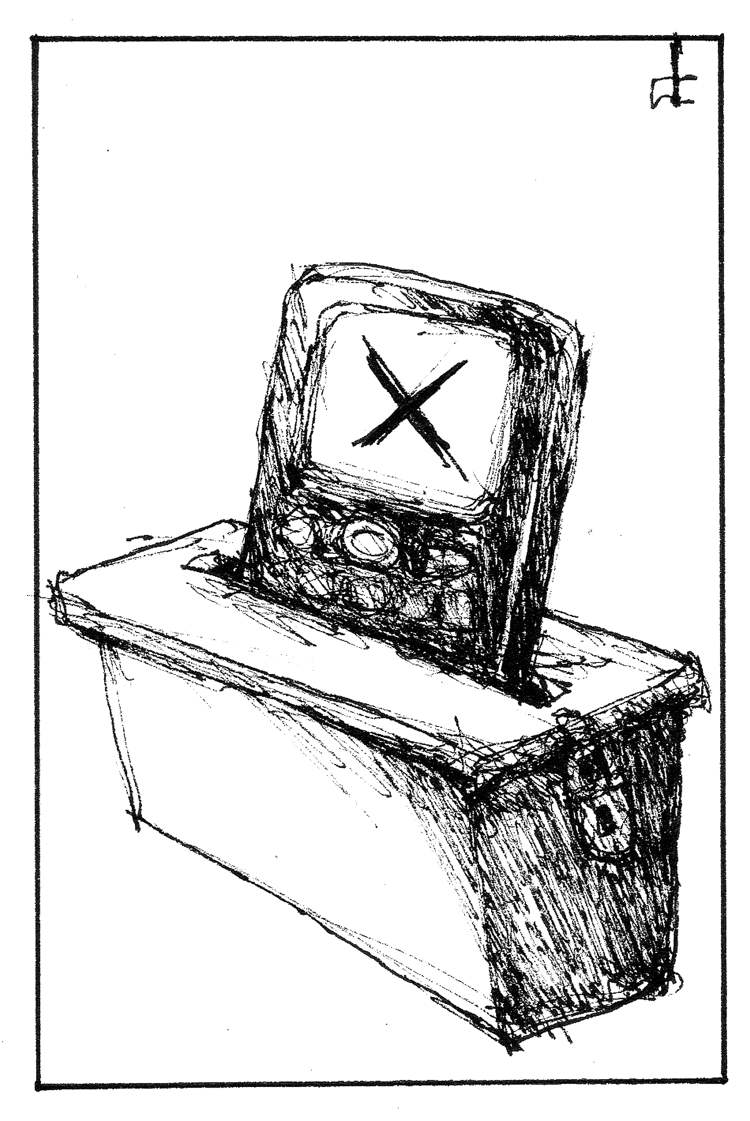
There’s no doubt that countries with mandatory voting see higher turnouts, but, again, no evidence it produces better governments or more engaged citizens.
People decline to vote for a variety of reasons; they may simply be lazy, or they may believe their vital interests aren’t at risk, whatever the outcome of a particular election. In the last Manitoba election, the NDP and the Progressive Conservatives were both largely committed to the status quo, with only minor differences between them. One party would pay off the deficit on such a date, while the other would take four years longer. Health care was safe, crime would be tackled, education improved.
Some people don’t pay attention to political parties and it would be perverse to force this group to cast a blind ballot, without the slightest idea who or what they were endorsing. There is the option of spoiling a ballot, but how does this improve democracy or outcomes?
Instead of compelling people to vote, governments should reinforce efforts to make voting easier by holding more advance polls and developing Internet voting. These aren’t perfect solutions, but they’re better than creating a new super bureaucracy and turning non-voters into criminals.
Related Articles
Compulsory voting here should be on the table for discussion -- before it's too late
Advertisement Advertise With Us
Advertisement Advertise With Us