

Deficits are eternally temporary
Advertisement
Read this article for free:
or
Already have an account? Log in here »
To continue reading, please subscribe:

Digital Subscription
One year of digital access for only $205*
- Enjoy unlimited reading on winnipegfreepress.com
- Read the E-Edition, our digital replica newspaper
- Access News Break, our award-winning app
- Play interactive puzzles
*First annual payment billed as $205.00 + GST for one year. This annual subscription will automatically renew at $233.00 + GST every 52 weeks (10% off the regular annual price of $259.35). Offer available to new and qualified returning subscribers only. Cancel any time.
To continue reading, please subscribe:
Add Free Press access to your Brandon Sun subscription for only an additional
$1 for the first 4 weeks*
- Enjoy unlimited reading on winnipegfreepress.com
- Read the E-Edition, our digital replica newspaper
- Access News Break, our award-winning app
- Play interactive puzzles
*Your next Brandon Sun subscription payment will increase by $1.00 and you will be charged $17.95 plus GST for four weeks. After four weeks, your payment will increase to $24.95 plus GST every four weeks.
Read unlimited articles for free today:
or
Already have an account? Log in here »
Hey there, time traveller!
This article was published 01/09/2015 (4030 days ago), so information in it may no longer be current.
A small, temporary deficit is just what Canada needs, according to Liberal Leader Justin Trudeau. That promise is a shock in this seemingly endless federal election, but Manitobans have heard it before. That experience sheds an important light on Trudeau’s plan.
The Canadian economy shrank by 0.2 per cent and 0.1 per cent in the first two quarters of the year, which qualifies as a recession. To turn it around, the Liberals promise to run deficits of up to $10 billion each year for up to three years. They’ll use that stimulus money to build infrastructure. That will create investment and jobs so we can pay off the new debt in the future.
It sounds good. Too bad it doesn’t work. And Manitoba is proof.
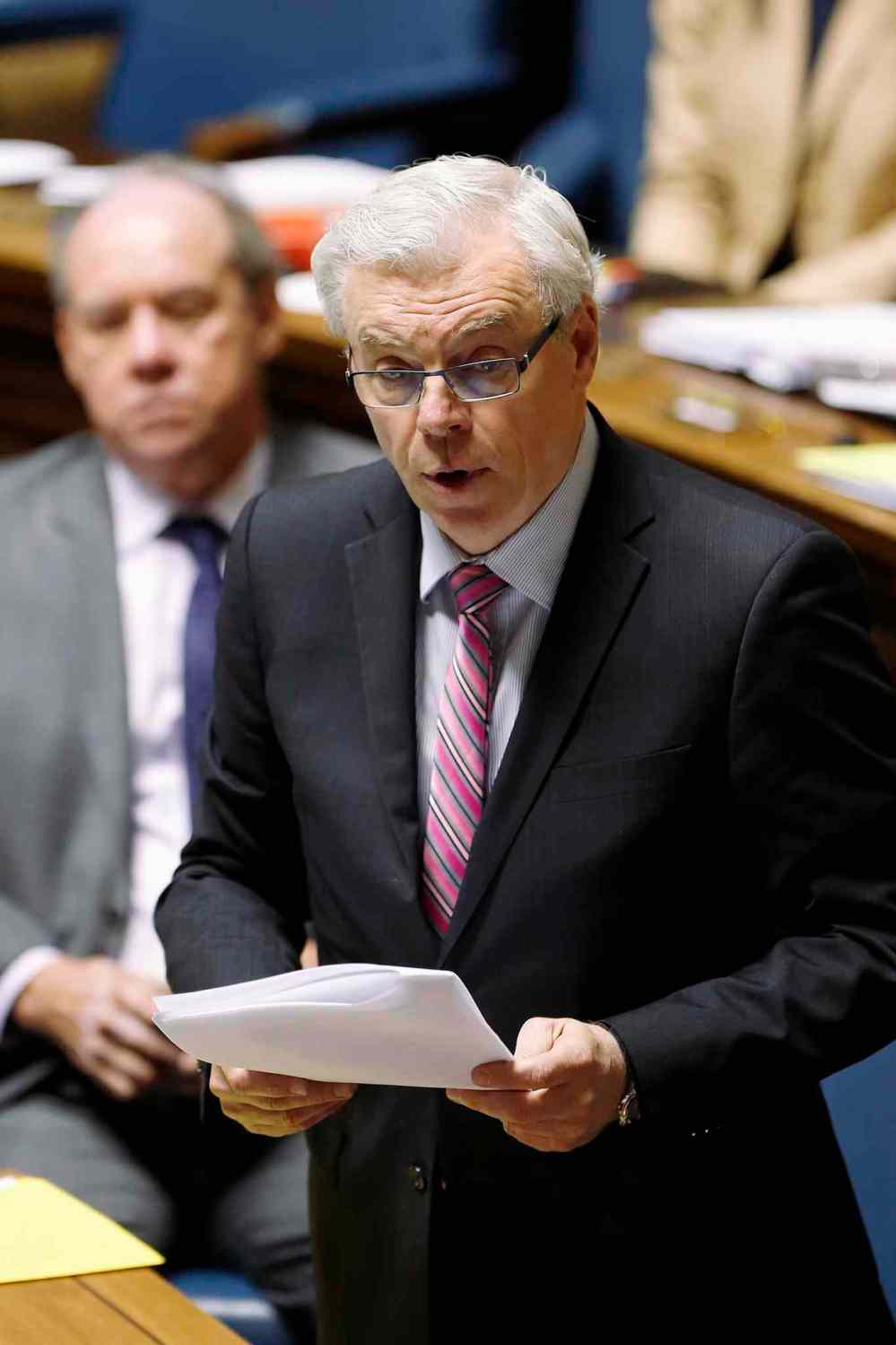
“Most jurisdictions in Canada will fund stimulus through deficit,” NDP Premier Greg Selinger said in 2009, when he was finance minister. He went on to say he would only be “implementing initiatives that are sustainable within a balanced budget.”
The stimulus happened, but the balanced budget was not sustained.
In the wake of the recession, Manitoba had 5.2 per cent unemployment and the provincial GDP declined by 0.9 per cent in 2009. The NDP responded by sending spending skyward with a deficit of $555 million that year.
Rosann Wowchuk became finance minister the next year, and the tone changed. She committed to stimulating the economy “by investing nearly $1.8 billion in infrastructure and capital renewal.” But she insisted the deficits would be temporary and the government would “restore balance by returning to surplus within five years.”
The NDP ran a deficit of $467 million in 2010. The results were mixed. The province’s GDP grew by 2.5 per cent, but unemployment increased slightly to 5.4 per cent.
In 2012, the NDP introduced an innovation: the PST hike.
“(The PST increase) will enhance productivity and innovation, and create good jobs in the short term — and the long term,” said then-finance minister Stan Struthers. “It will allow us to protect key services and deliver a balanced budget by 2016.”
Manitobans certainly paid more PST, but the budget was not balanced. The deficit for 2012 came in at $583 million. But the results were virtually unchanged, with unemployment at 5.3 per cent and GDP growth at 2.2 per cent.
The numbers remained largely unchanged for 2013 and 2014. And deficits are projected for years to come.
“Our government also has a long-standing commitment to return to a balanced fiscal position,” Finance Minister Greg Dewar as he announced the 2014 results and outlined his 2015 budget.

“Industry tells us not to take our foot off the gas. Cutting now would devastate our economy. Families tell us to protect the jobs and services they rely on. Mr. Speaker, that means we will not make massive cuts to front-line services or put thousands of Manitobans out of work.”
Balanced budgets gave way to temporary deficits that evolved to become an absolute necessity without which apparently “thousands of Manitobans” would be out of work. And so, Manitoba continues to speed further into debt, with no realistic repayment plan in sight.
Reporters asked how Trudeau would keep his commitments if the economy falters. In other words, would the Liberals actually balance the budget after three years if the stimulus doesn’t work? Trudeau’s answer: he would be “open and transparent” with Canadians. In other words: “just watch me.”
We have watched this before. We’ve watched it year after year. It hasn’t worked for Manitoba.
Todd MacKay is prairie director of the Canadian Taxpayers Federation.
Related Articles
Liberals win 4th mandate as NDP vote collapses and Singh announces he will resign






Advertisement Advertise With Us
Advertisement Advertise With Us