

Métis have rights, as well
Government policies have been exclusionary
Advertisement
Read this article for free:
or
Already have an account? Log in here »
To continue reading, please subscribe:
Monthly Digital Subscription
$1 per week for 24 weeks*
- Enjoy unlimited reading on winnipegfreepress.com
- Read the E-Edition, our digital replica newspaper
- Access News Break, our award-winning app
- Play interactive puzzles
*Billed as $4.00 plus GST every four weeks. After 24 weeks, price increases to the regular rate of $19.95 plus GST every four weeks. Offer available to new and qualified returning subscribers only. Cancel any time.
Monthly Digital Subscription
$4.99/week*
- Enjoy unlimited reading on winnipegfreepress.com
- Read the E-Edition, our digital replica newspaper
- Access News Break, our award-winning app
- Play interactive puzzles
*Billed as $19.95 plus GST every four weeks. Cancel any time.
To continue reading, please subscribe:
Add Free Press access to your Brandon Sun subscription for only an additional
$1 for the first 4 weeks*
- Enjoy unlimited reading on winnipegfreepress.com
- Read the E-Edition, our digital replica newspaper
- Access News Break, our award-winning app
- Play interactive puzzles
*Your next Brandon Sun subscription payment will increase by $1.00 and you will be charged $17.95 plus GST for four weeks. After four weeks, your payment will increase to $24.95 plus GST every four weeks.
Read unlimited articles for free today:
or
Already have an account? Log in here »
Hey there, time traveller!
This article was published 07/10/2015 (3868 days ago), so information in it may no longer be current.
This week, the Supreme Court of Canada will hear arguments in Daniels v. Canada. The Daniels case was initiated by well-known Métis leader Harry Daniels more than a decade ago with the goal of making Canada revisit its arbitrary and exclusionary policies toward the Métis and “non-status” Indians (i.e., members of First Nations who cannot be registered under the Indian Act).
In the words of the trial judge, these federal policies (or lack thereof) have produced “a large population of collaterally damaged” aboriginal people who are the “most disadvantaged of all Canadian citizens.”
Specifically, Daniels will answer the long-standing question of whether the Métis and non-status Indians are included within the meaning of the term “Indian” in Sec. 91(24) of the Constitution Act, 1867. The act grants “exclusive legislative authority” for “Indians, and lands reserved for the Indians” to the federal Parliament. In recent times, Canada has taken an extremely narrow interpretation in relation to this jurisdiction, which conveniently excludes the Métis and non-status Indians. This exclusion has resulted in these groups being treated as proverbial “political footballs” and falling between the jurisdictional cracks of this country.
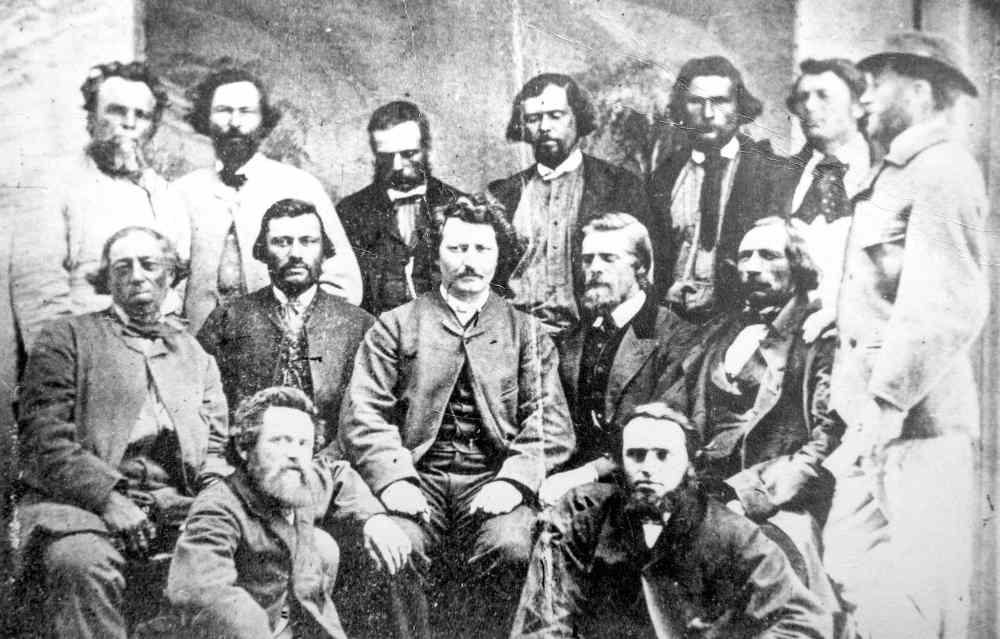
Both the Federal Court and Federal Court of Appeal have concluded Sec. 91(24) was necessarily broad enough to include all of the aboriginal peoples (i.e., First Nations, Métis and Inuit) Canada encountered as it expanded from coast to coast to coast following Confederation. This jurisdiction was not limited to “Indians” as defined by the Indian Act. Nor did it exclude the Métis nation, which emerged as a distinct aboriginal people in the western territories prior to Canada becoming the Canada we know today. Despite overwhelming evidence and the solid decisions of the lower courts, Canada continues to argue for an arbitrary and narrow interpretation of Sec. 91(24).
For the Métis nation, this case is just another chapter in its ongoing hunt for justice in order to begin the process of reconciliation with Canada. While Métis inclusion in Sec. 35 of the Constitution Act, 1982, was supposed to be the “starting gun” for negotiations, the Métis have been forced to repetitively turn to the courts in order to make any progress on Sec. 35’s promise. From R. v. Powley in 2003 to Cunningham v. Alberta in 2011 to the Manitoba Metis Federation v. Canada in 2013, the Supreme Court of Canada has been consistent and unequivocal: Sec. 35 demands good faith and meaningful negotiations and reconciliation with the Métis people, as well.
Unfortunately, Canada has not been listening. The Métis continue to be excluded from federal comprehensive and specific claims processes. They are denied access to programs available to other aboriginal groups. They are often excluded from Crown consultation in relation to their rights. Notably, independent experts, including, some hand-picked by the Harper government, have also recognized Canada’s failings when it comes to the Métis. For example, Vancouver-based lawyer Doug Eyford recently reviewed the federal comprehensive claims policy and recommended Canada “develop a reconciliation process to support the exercise of Métis Sec. 35 rights and to reconcile their interests.” He also recommended Canada immediately begin negotiations with the Manitoba Metis Federation in order to implement the Supreme Court of Canada’s 2013 decision that dealt with Sec. 31 of the Manitoba Act, 1870. In the same vein, the United Nations Special Rapporteur on Indigenous Rights has repeatedly criticized Canada for its failure to deal with Métis in relation to their lands and rights.
With these developments, it should be clear to everyone what needs to happen. Real negotiations on issues such as Métis rights, lands and self-government must be engaged. Just and lasting settlements with the Métis, whether they are called treaties, modern-day land claims or some other type of agreement, must be reached. Hopefully, the next federal government will finally see the writing on the wall and move forward on these issues. If not, the Métis are hopeful the Daniels case will provide additional judicial direction that federal inaction on Métis rights is no longer an option.

For the Métis nation, this case is just another chapter in its ongoing hunt for justice in order to begin the process of reconciliation with Canada
Jason Madden is a partner in the law firm Pape Salter Teillet LLP. He represents Métis groups from Ontario westward, including the Manitoba Metis Federation. In the Daniels case, he is legal counsel for the intervener Métis National Council.
History
Updated on Wednesday, October 7, 2015 7:36 AM CDT: Fixes cutline, adds pull quote