

Caring for patient should be no secret
Advertisement
Read this article for free:
or
Already have an account? Log in here »
To continue reading, please subscribe:

Digital Subscription
One year of digital access for only $205*
- Enjoy unlimited reading on winnipegfreepress.com
- Read the E-Edition, our digital replica newspaper
- Access News Break, our award-winning app
- Play interactive puzzles
*First annual payment billed as $205.00 + GST for one year. This annual subscription will automatically renew at $233.00 + GST every 52 weeks (10% off the regular annual price of $259.35). Offer available to new and qualified returning subscribers only. Cancel any time.
To continue reading, please subscribe:
Add Free Press access to your Brandon Sun subscription for only an additional
$1 for the first 4 weeks*
- Enjoy unlimited reading on winnipegfreepress.com
- Read the E-Edition, our digital replica newspaper
- Access News Break, our award-winning app
- Play interactive puzzles
*Your next Brandon Sun subscription payment will increase by $1.00 and you will be charged $17.95 plus GST for four weeks. After four weeks, your payment will increase to $24.95 plus GST every four weeks.
Read unlimited articles for free today:
or
Already have an account? Log in here »
Hey there, time traveller!
This article was published 22/04/2016 (3792 days ago), so information in it may no longer be current.
Based upon the information made available by the Free Press (Death sparks overhaul of ERs, April 21), the response of the Winnipeg Regional Health Authority to the crisis of care in local emergency departments may cause more harm than good.
In October, 57-year-old Mohinder Singh died of a brain aneurysm. She had been transported by ambulance to the ER at Seven Oaks General Hospital, where she lay screaming in pain and ignored by staff. She died a day later at the Health Sciences Centre. Earlier this week, the WRHA made its recommendations to prevent such a tragedy from reoccurring.
First, let there be no doubt this is truly a crisis. Following on the heels of the inquest report on the 2008 death of Brian Sinclair, this particular incident and others like it simply should not have occurred. It threatens the confidence of Manitobans in their health-care system.
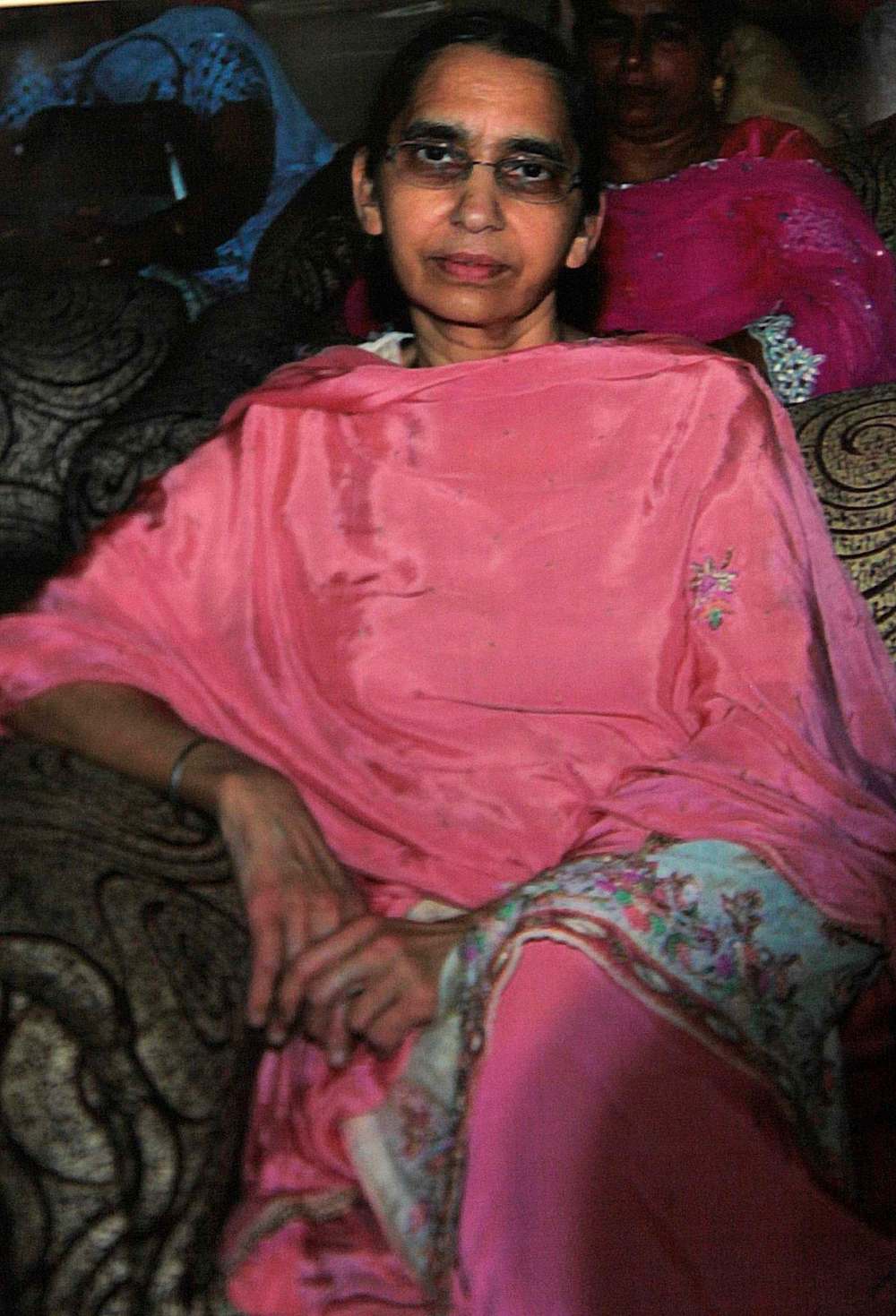
The root of the problem was clearly expressed by the spokesperson for the bereaved Singh family, “They saw the suffering and they didn’t do anything. We saw people fail at their job. These are health-care professionals. They need to care about the people.”
“What we’ve got here is failure to communicate,” as the prison warden said in the 1967 film Cool Hand Luke. Unfortunately, realizing that simple fact does not open the way to simple solutions as communication is embedded in the complex culture of every health facility in the province. And because of place, time and the vagaries of human behaviour, ERs (and intensive-care units) are the places where failures of communication are both common and most damaging.
What is to be done? The WRHA has taken some first, right steps by apologizing directly to the family, by making that apology known, and by beginning to incorporate a patient voice in ongoing quality assessments. But the rest of its remediation and prevention plan seems headed in the wrong direction.
It appears to be relying on the command-and-control mode, flooding ERs with a variety of inspectors and monitors. But the question arises: what are these intruders into the workplace going to look for? And what are they going to do if they spot something awry? Especially since those very interpersonal activities between health-care givers and patients — the breakdown of which are at the core of the problem — are largely very personal, and protected for that reason.
What is needed first, from the institutional side, is a recognition the problem is already named — it is a warped culture that has failed to put the interests of patients at the top of the needs list at all times and in all places. A dramatic change in that culture is needed. Fortunately, the tools to accomplish that change are well-known in the world of medical-quality management, and successes in the difficult task of changing culture and behaviour have been well-documented.

But the change must start and stay at the bedside and focus on the direct person-to-person communication between care givers and patients and their families. It must include front-line health-care givers as the principle participants. And it must include regular and meaningful input and feedback from patients and their families.
Believe it or not, most front-line workers are dedicated and doing a good job. The system needs to build on the strengths of the many and root out the bad behaviours of the few. Highly skilled, even inspirational, direction from leaders is also badly needed but that is not accomplished by sending SWAT teams of administrators into the fraught front lines.
In 1927, a famous Boston physician, Francis Peabody, articulated the enduring mission statement for all health-care workers. It rings true in our current health care crisis in Manitoba: the secret of the care of the patient is caring for the patient.
What more need be said?
Daniel Klass is the former director of the quality management division of the College of Physicians and Surgeons of Ontario and a former director of the American Board of Medical Quality.
Related Articles
Province's ER flaws have been studied to death
Advertisement Advertise With Us
Advertisement Advertise With Us
History
Updated on Friday, April 22, 2016 1:05 PM CDT: Adds video