

Centre of attention
New training facility 'perfect fit' for Manitoba athletes

Advertisement
Read this article for free:
or
Already have an account? Log in here »
To continue reading, please subscribe:
Digital Subscription
One year of digital access for only $1.44 a week*
- Enjoy unlimited reading on winnipegfreepress.com
- Read the E-Edition, our digital replica newspaper
- Access News Break, our award-winning app
- Play interactive puzzles
*Billed as $5.77 plus GST every four weeks. After 52 weeks, price increases to the regular rate of $19.95 plus GST every four weeks. Offer available to new and qualified returning subscribers only. Cancel any time.
To continue reading, please subscribe:
Add Free Press access to your Brandon Sun subscription for only an additional
$1 for the first 4 weeks*
- Enjoy unlimited reading on winnipegfreepress.com
- Read the E-Edition, our digital replica newspaper
- Access News Break, our award-winning app
- Play interactive puzzles
*Your next Brandon Sun subscription payment will increase by $1.00 and you will be charged $17.95 plus GST for four weeks. After four weeks, your payment will increase to $24.95 plus GST every four weeks.
Read unlimited articles for free today:
or
Already have an account? Log in here »
Hey there, time traveller!
This article was published 10/07/2017 (3255 days ago), so information in it may no longer be current.
The 2017 Canada Summer Games in Winnipeg will only last for 17 days, but the legacy of the Games will last for years to come.
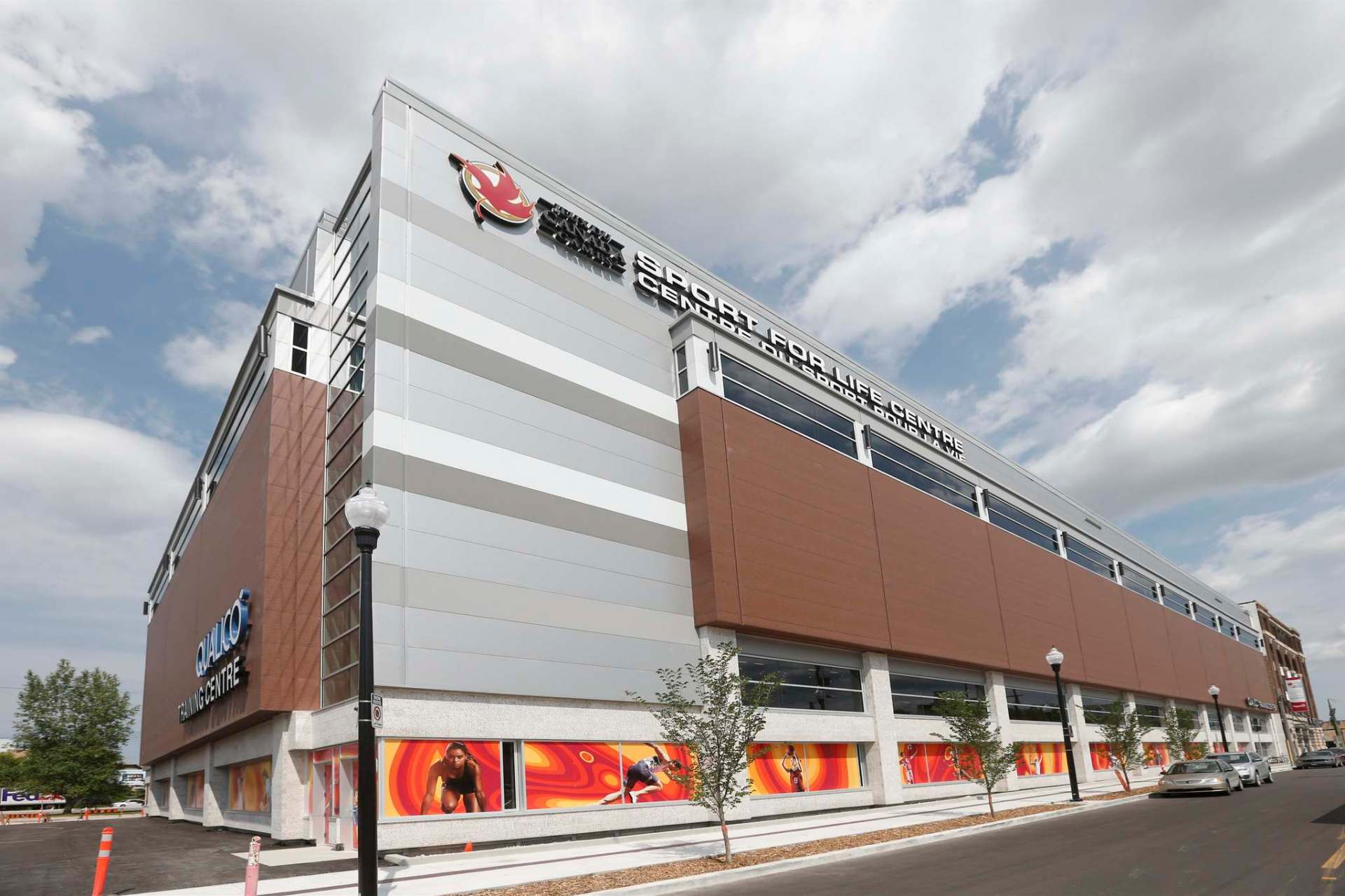
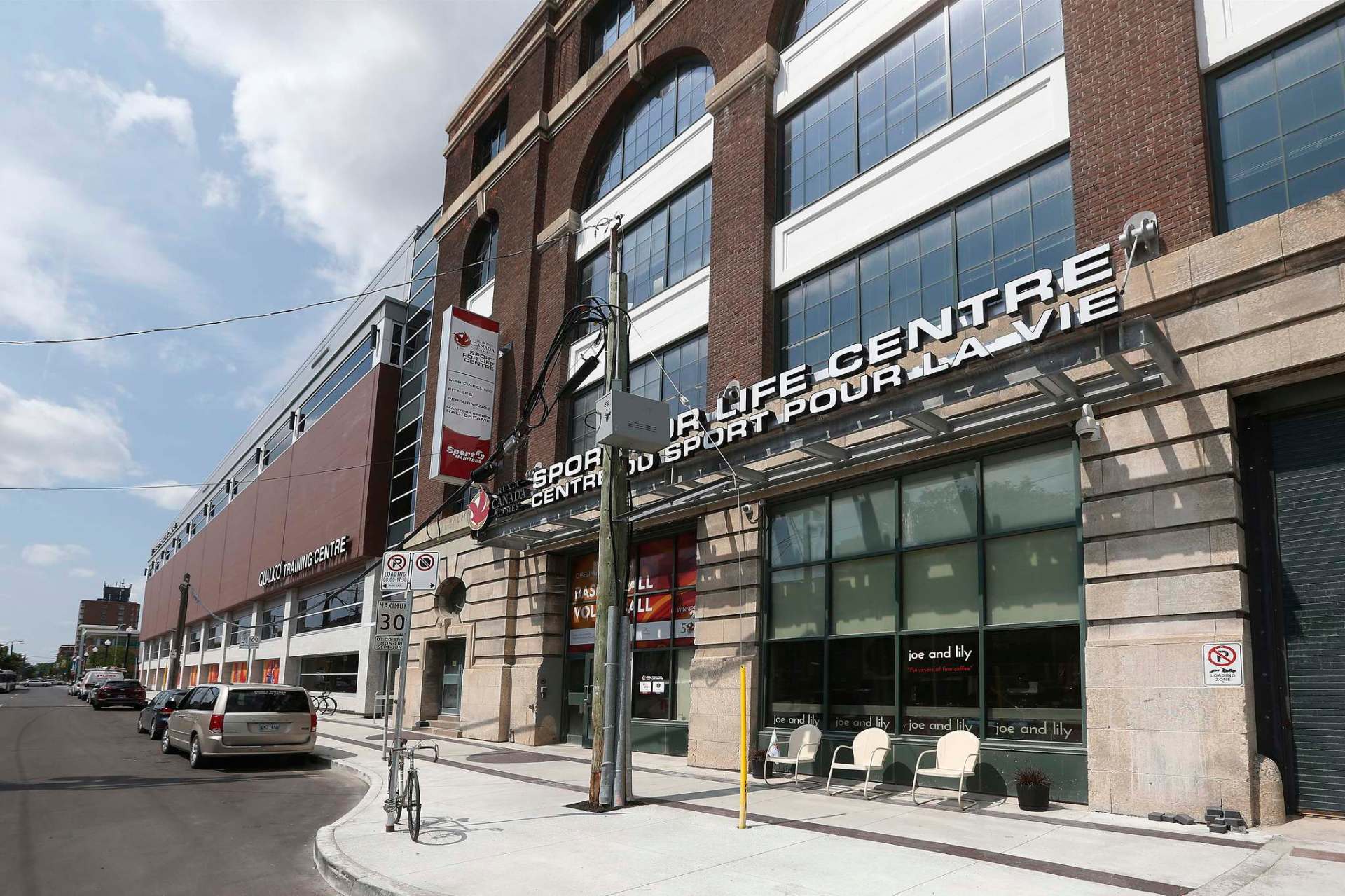
After two years of construction and more than a decade of planning, the Canada Games Sport for Life Centre opens the doors to the Qualico Training Centre today. The building is the official legacy building of the 2017 Canada Games.
Jeff Hnatiuk, who took a leave of absence as CEO of Sport Manitoba to become the president and CEO of the 2017 Canada Games, said the building wasn’t originally intended to be branded that way. The building was going to built anyway but when Winnipeg won the Games bid, it was decided it was a perfect fit.
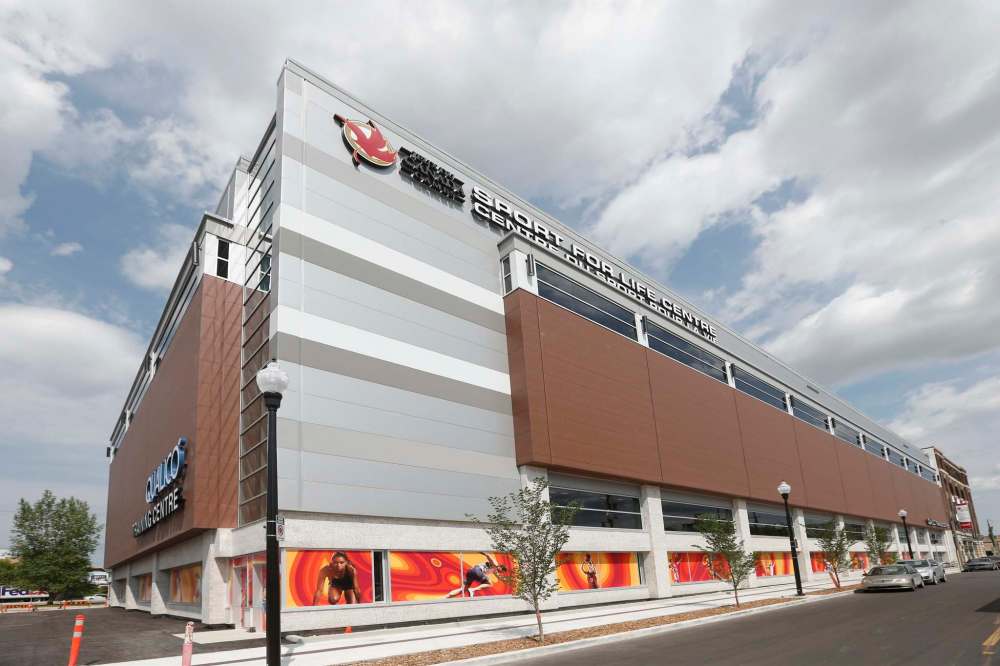
“Every community that hosts the Canada Games has to identify a new facility as a branded Canada Games facility, so that’s why it’s the Canada Games Sport for Life Centre,” said Hnatiuk. “We were well under way in the planning to have the construction of (the training centre) but with the Games coming along and looking at the need for the Games to have a new branded facility, it just made sense.”
Today’s ceremony to officially open the building will start at 8:15 a.m. inside the Qualico Training Centre at 145 Pacific Ave. The ceremony will feature an opening prayer, greetings from dignitaries, videos, athletes and a ribbon cutting followed by guided tours of the building. Premier Brian Pallister, Mayor Brian Bowman and Minister of Sport, Culture and Heritage Rochelle Squires will be in attendance.
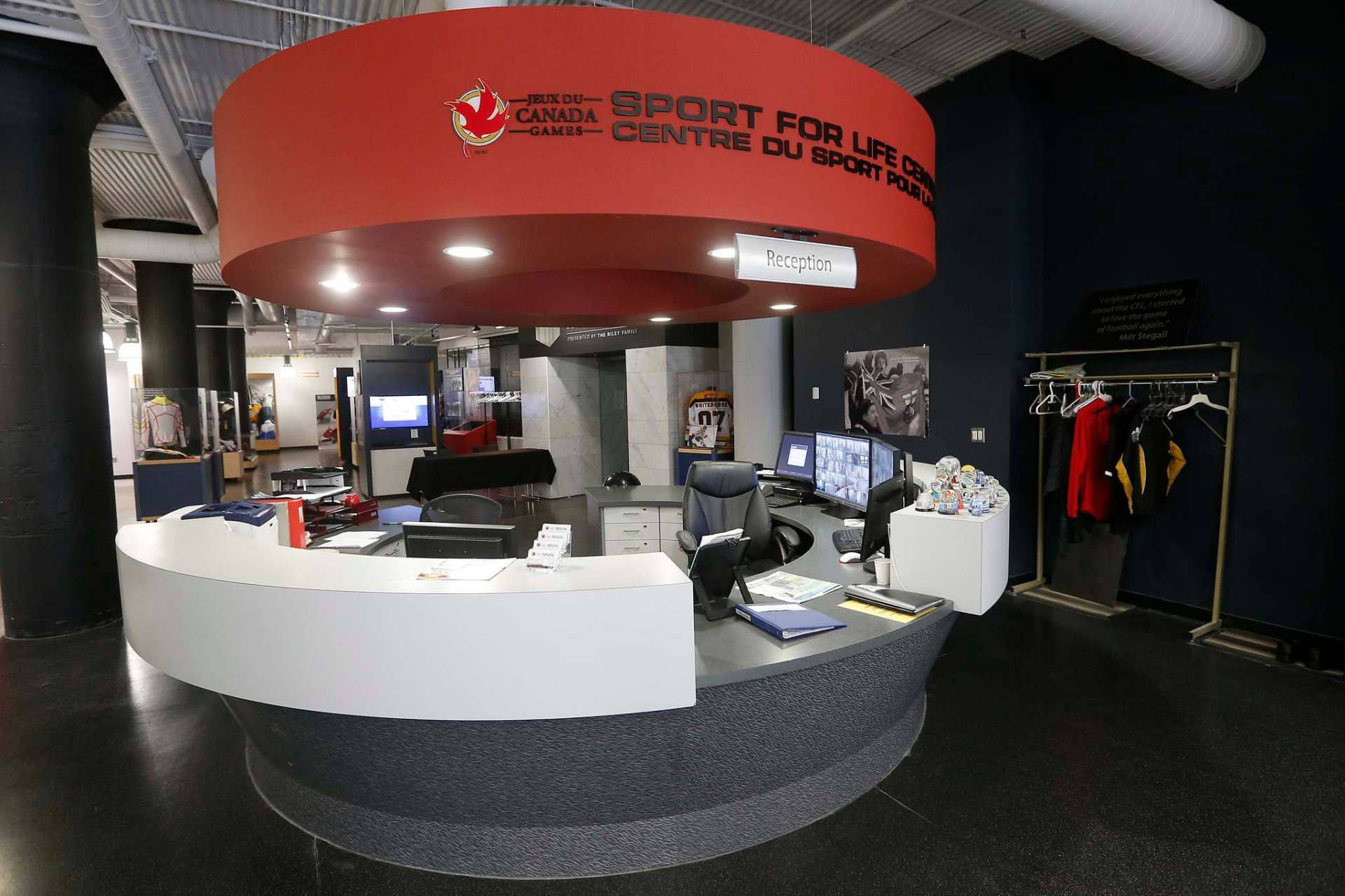
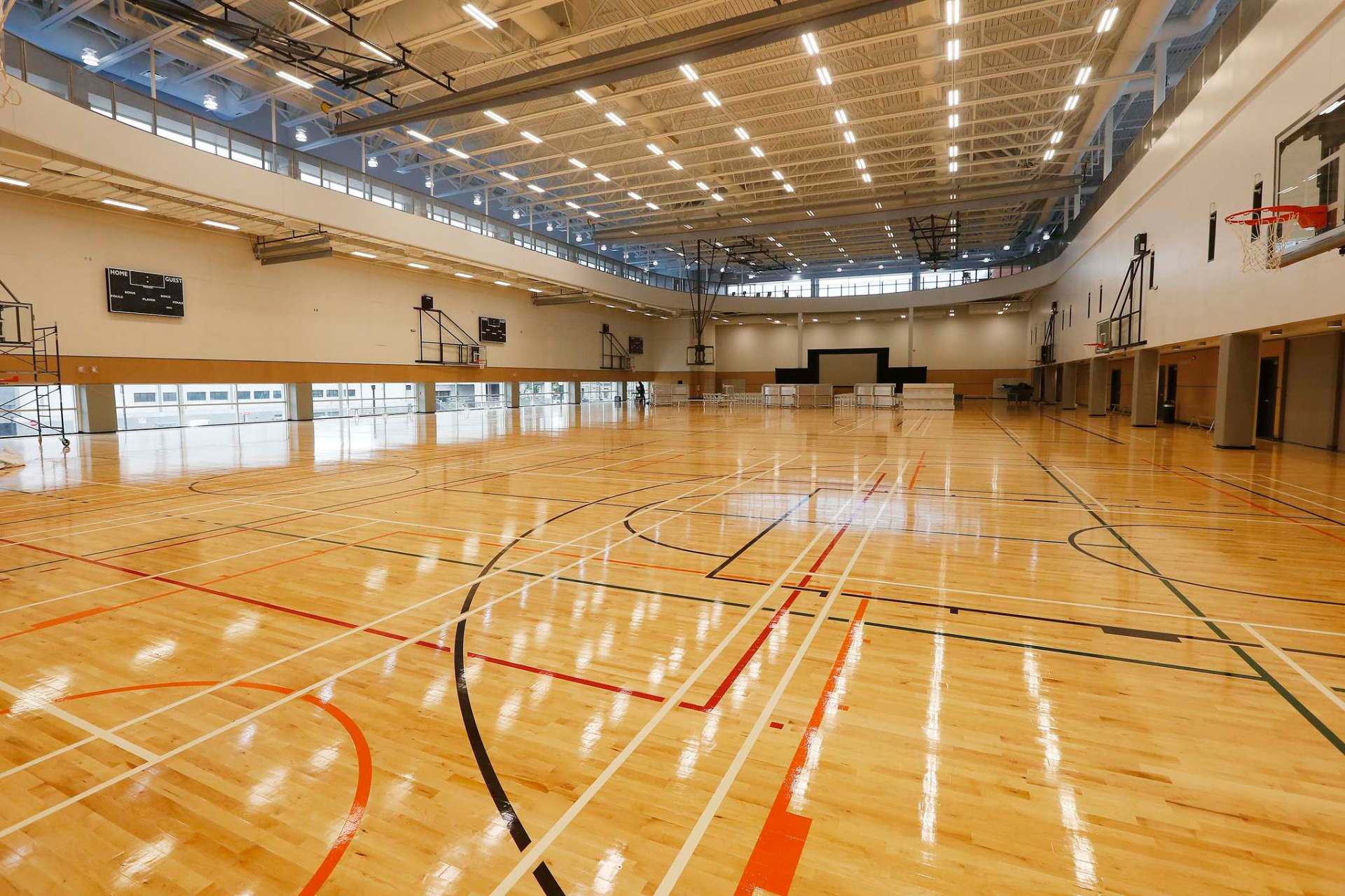
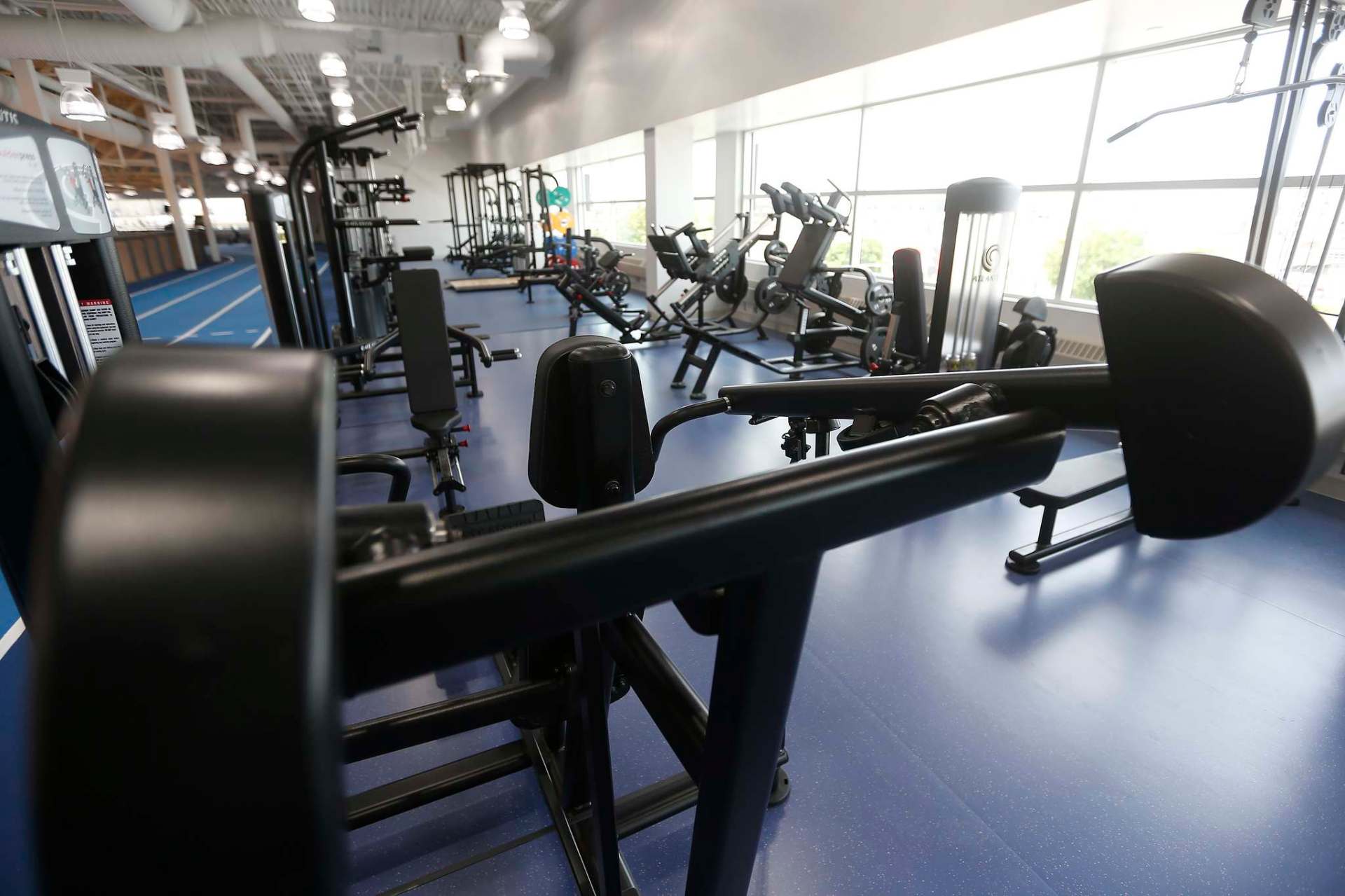
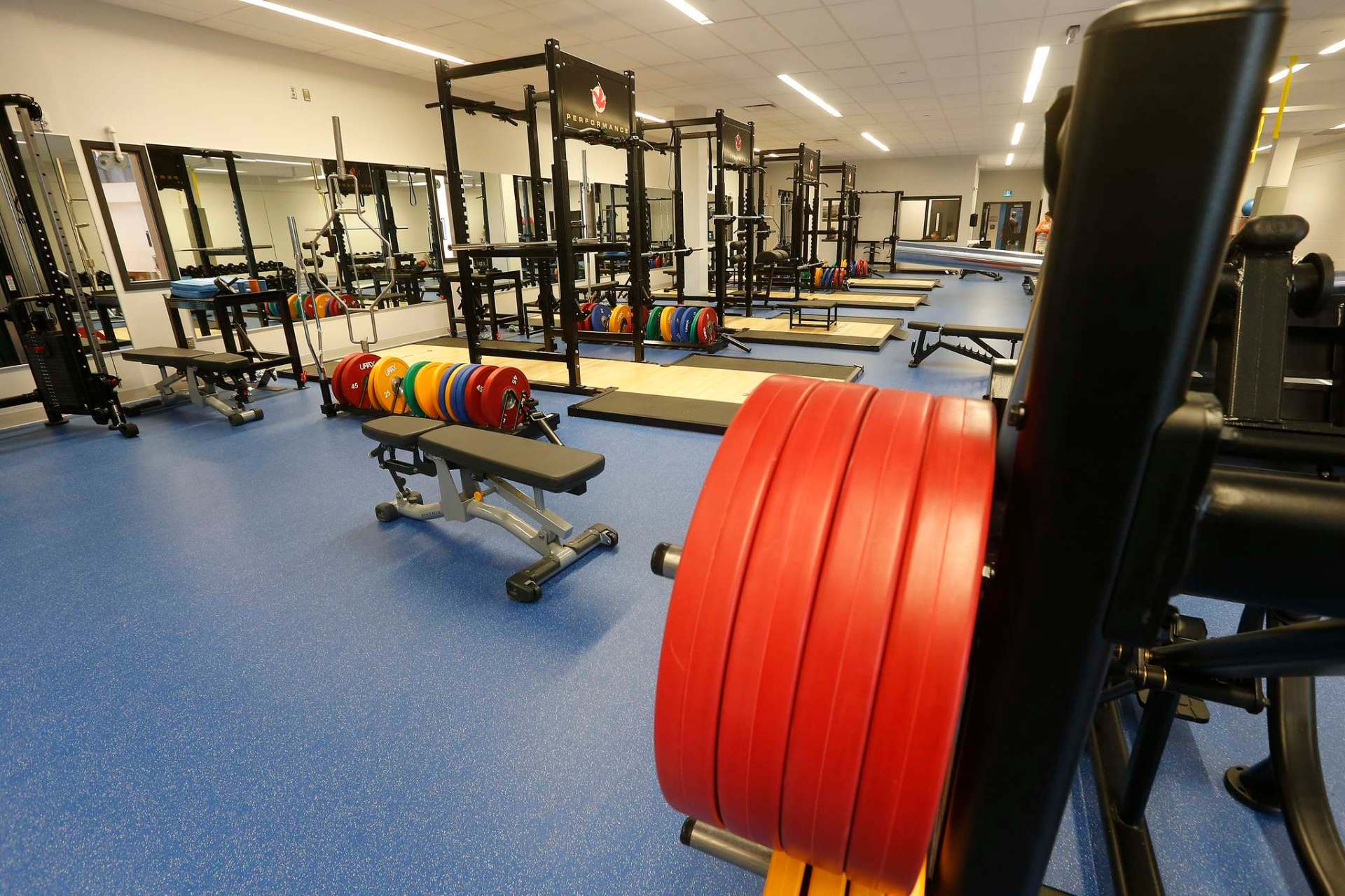
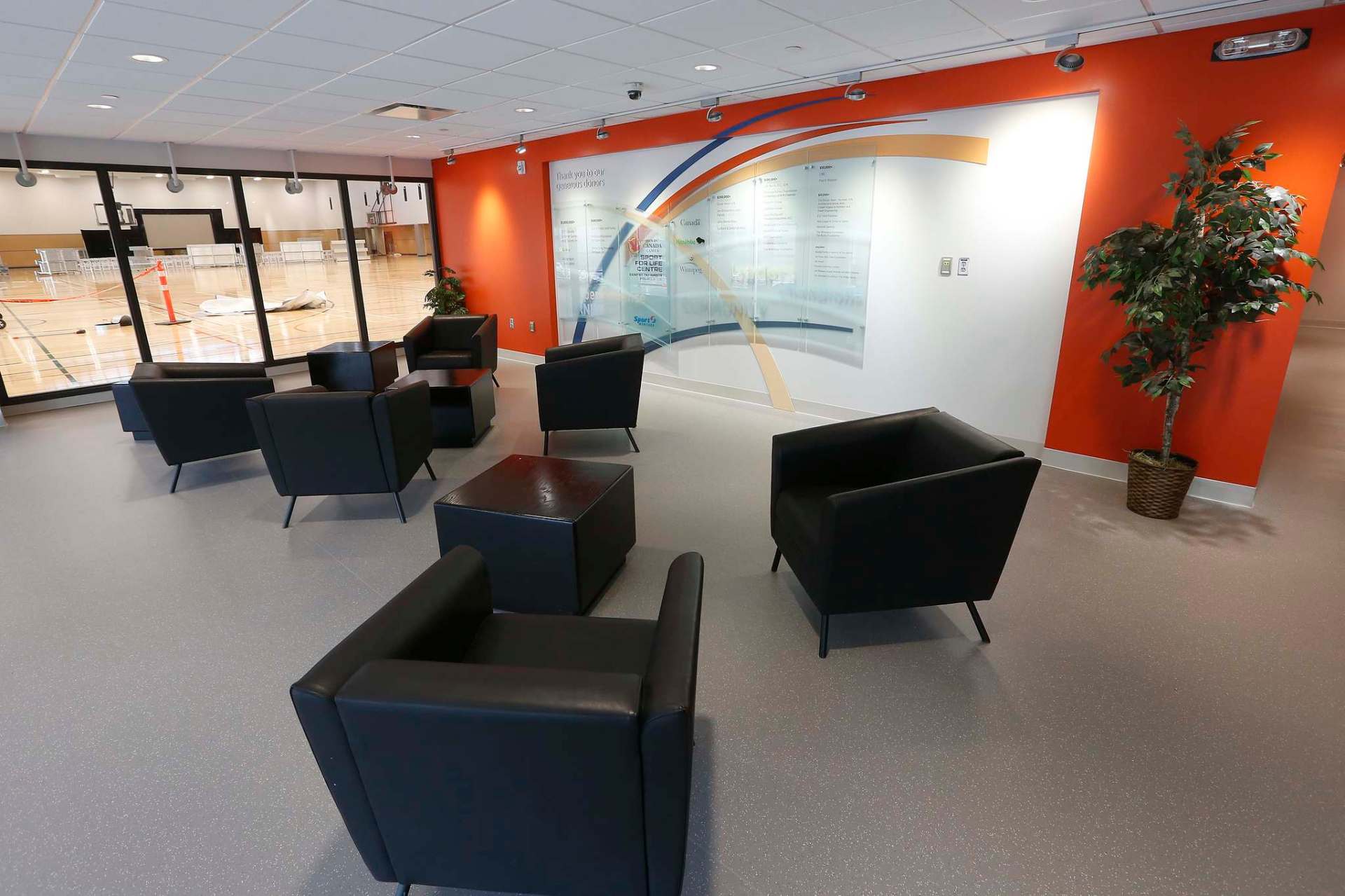
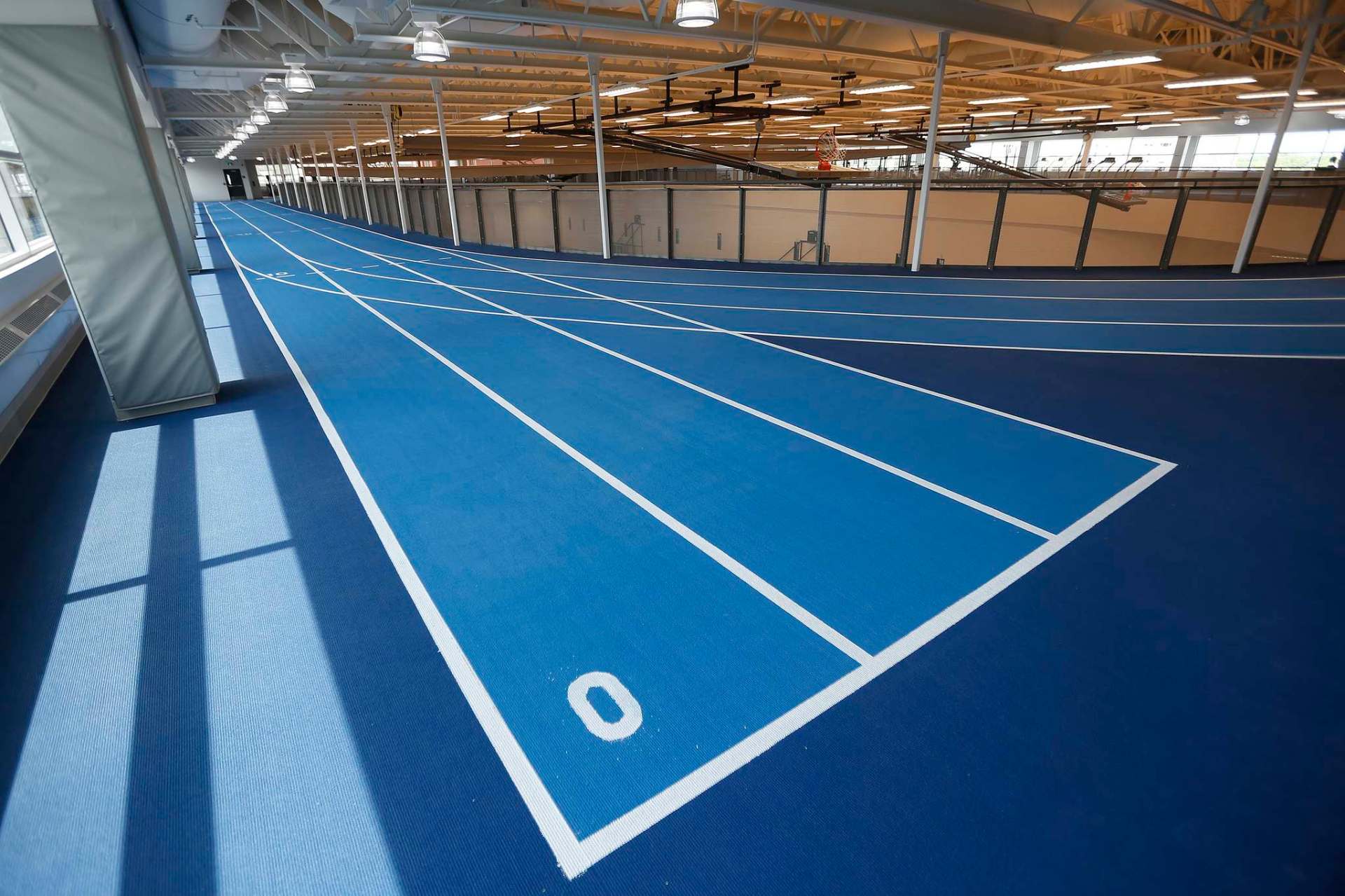
The 124,000-square-foot facility will be where Manitoba’s provincial teams will train and it will also be an accessible gym for the public. The building features three full-size courts, a four-lane running track, weight training area for the public and high-performance athletes, aerobic training centre and multi-purpose areas for individual sports, fitness conditioning and workshops.
The centre will be used as a venue for volleyball and basketball during the Games, which run from July 28 to Aug. 13. All other events will be held at pre-existing venues except for beach volleyball, which will take place at the new Sargent Park Beach Volleyball Centre that was built for the event.
The planning of the Canada Games Sport for Life Centre started in 2005 when Sport Manitoba’s lease at 200 Main St. was nearing an end and Wawanesa Insurance was going to take over the property.
Hnatiuk said they easily could have found a different location for the more than 60 sport organizations under the Sport Manitoba umbrella but took it as an opportunity to do something that could have a significant impact on the local sports community.
“We thought if we could create a facility that combined sport administration with sport medicine, science, training, testing and heritage. It would be great for sport moving forward,” said Hnatiuk.
In 2010, Sport Manitoba moved into the 100-year old building in the Exchange District, in phase 1 of the Sport for Life Centre. Phase 1 includes the Manitoba Sports Hall of Fame, a sport medicine clinic, meeting rooms and office space for the sport organizations. When Winnipeg won the bid to host the Games, it was decided the building’s name would change to the Canada Games Sport for Life Centre.
While the Qualico Training Centre, phase 2, was being built, athletes trained on the second floor of the phase 1 building. They didn’t have much to work with, as all they had was a small weight room and a cycling studio for the athletes to use.
Adam Decker, Sports Manitoba’s senior manager of athlete development, said it was difficult for his staff to do their jobs up to their standards due to the limited space. He said the gym could only accommodate one team at a time.
The new training centre will have room to fit up to a dozen teams training in some capacity.
“We were way behind places like Ontario, Quebec and British Columbia. Anything they had was night and day compared to what we had,” said Decker.


Local athletes and coaches were well aware of that. Hnatiuk said over the years, athletes would have to leave the province to get the training they needed.
“We often times lose really good people in the sport field because they have opportunities to work with high-performing athletes in other provinces. We hope having a centre like this is going to attract Manitobans to stay here in those fields and work here, which in turn will help our athletes to stay here and be able to get the kind of resources here in a centre like this where they don’t need to go to another province when they reach a certain level,” said Hnatiuk.
Decker and his training staff did the best they could with what they had to work with at the original training facility, but they had to be creative. With a lack of room, they’d have athletes running up and down the hallways and stairs of the building. People would have to look both ways when they’d leave their office to avoid being run over by an athlete.
Sara MacLennan is one of the athletes who used to sprint down the hallways. MacLennan played on the provincial soccer team that played at the 2013 Canada Games, and she played several seasons for the University of Manitoba Bisons’ soccer team. MacLennan said it was such a tight squeeze in the old space that she would have to go for a run when she got home because there were many times where she couldn’t get in a full workout.
“At the old gym, you’d come for an hour or so and you’d want to get out because more people would keep coming in and it would be harder to find space. Now that there’s so much space, I could spend the day here and have a blast,” she said.
The old gym was the only training facility in the province that was aligned with Sport Manitoba and its Sport Performance Centre program. Decker said they had athletes from outside of Winnipeg that would drive hours to the facility several times a week, as it was the only place for them to train. Now with the new facility, the Sport Performance Centre has donated the old equipment and teamed with established training facilities in Brandon, Winkler and Selkirk to create regional training centres for athletes.
“You can imagine the people that we would miss because not everyone has that dedication or resources to (drive to Winnipeg to train). It’s those types of people that we were missing out on that we will no longer be missing out on,” said Decker.
Athletes and trainers aren’t the only ones whose lives will be made much easier with the facility. Local sport organizations such as Basketball Manitoba will benefit greatly from the new space. The facility can hold up to six basketball games at a time.
Adam Wedlake, the executive director of Basketball Manitoba, said their provincial teams will be able to train and prepare in ways they’ve never been able to before.
“Most of the gyms our teams get are at schools. They just get a gym and that’s it,” said Wedlake. “A chance to use all these extracurricular supports that we never had, all under one roof, is a game-changer for us.”

Basketball Manitoba was able to sneak in early and host the facility’s first event. They hosted the 3 on 3 Canada Quest Winnipeg Qualifier tournament on June 24 and Wedlake said he and his staff heard nothing but positive reviews from players. They’re happy it’s not just a pretty building butt it’s a high-quality facility with a hardwood floor for the court surface. He said it’s not uncommon to see new sports facilities use cheap rubber flooring for the courts.
“A hardwood floor is critical to us. Sadly you see lots of facilities that are being built that look great on the outside but on the inside they don’t use a proper gym floor,” said Wedlake.
While the building will forever be known as the legacy of the 2017 Canada Games, Hnatiuk and those involved in the building don’t want it to just be a reminder of the 17-day event. They believe it has the potential to have a much bigger impact and give local athletes and the community the resources to reach their training goals.
“We should provide the resources to our athletes to make sure they are just as prepared as any other athlete in this country. If our athletes, at a minimum, feel they’ve been given the resources and support as good as any athlete, than I think we’ve done our job,” said Hnatiuk.
taylor.allen@freepress.mb.caTwitter: @TaylorAllen31
Taylor Allen is a sports reporter for the Winnipeg Free Press. Taylor was the Vince Leah intern in the Free Press newsroom twice while earning his joint communications degree/diploma at the University of Winnipeg and Red River College Polytechnic. He signed on full-time in 2019 and mainly covers the Blue Bombers, curling, and basketball. Read more about Taylor.
Every piece of reporting Taylor produces is reviewed by an editing team before it is posted online or published in print — part of the Free Press‘s tradition, since 1872, of producing reliable independent journalism. Read more about Free Press’s history and mandate, and learn how our newsroom operates.
Our newsroom depends on a growing audience of readers to power our journalism. If you are not a paid reader, please consider becoming a subscriber.
Our newsroom depends on its audience of readers to power our journalism. Thank you for your support.
Qualico Training Centre
How much did the facility cost?
The training centre cost $23 million.
Who paid for it?
All three levels of government, 2017 Canada Games host society, and corporate and private donors
Who built it?
Bockstael Construction Ltd., which began construction in June 2015
Who designed it?
Number TEN Architecture
Where to park?
There are 88 underground parking spots available
Membership rates
Monthly: $47
Six months: $259 (43.17 per month)
One year: $459 ($38.25 per month)
Membership benefits
Complementary fitness, yoga and spin classes: 100 free classes per year included in annual membership (eight classes with monthly membership, 50 classes with six-month membership);
Access to state-of-the-art facility with three-lane, 160-metre indoor track, fitness/yoga and spin studios and open court time;
A wide selection of equipment;
Free consultation with a trainer;
Discounted rates and pre-registration for speciality programs, workshops and events;
Access to indoor parking and bike storage
Change rooms with showers and lockers.
Taylor Allen is a sports reporter for the Winnipeg Free Press. Taylor was the Vince Leah intern in the Free Press newsroom twice while earning his joint communications degree/diploma at the University of Winnipeg and Red River College Polytechnic. He signed on full-time in 2019 and mainly covers the Blue Bombers, curling, and basketball. Read more about Taylor.
Every piece of reporting Taylor produces is reviewed by an editing team before it is posted online or published in print — part of the Free Press‘s tradition, since 1872, of producing reliable independent journalism. Read more about Free Press’s history and mandate, and learn how our newsroom operates.
Our newsroom depends on a growing audience of readers to power our journalism. If you are not a paid reader, please consider becoming a subscriber.
Our newsroom depends on its audience of readers to power our journalism. Thank you for your support.
Advertisement Advertise With Us
Advertisement Advertise With Us
History
Updated on Monday, July 10, 2017 11:55 PM CDT: adds web headline for tile