COVID-19 message must reach youth
Read this article for free:
or
Already have an account? Log in here »
To continue reading, please subscribe:

Digital Subscription
One year of digital access for only $205*
- Enjoy unlimited reading on winnipegfreepress.com
- Read the E-Edition, our digital replica newspaper
- Access News Break, our award-winning app
- Play interactive puzzles
*First annual payment billed as $205.00 + GST for one year. This annual subscription will automatically renew at $233.00 + GST every 52 weeks (10% off the regular annual price of $259.35). Offer available to new and qualified returning subscribers only. Cancel any time.
To continue reading, please subscribe:
Add Free Press access to your Brandon Sun subscription for only an additional
$1 for the first 4 weeks*
- Enjoy unlimited reading on winnipegfreepress.com
- Read the E-Edition, our digital replica newspaper
- Access News Break, our award-winning app
- Play interactive puzzles
*Your next Brandon Sun subscription payment will increase by $1.00 and you will be charged $17.95 plus GST for four weeks. After four weeks, your payment will increase to $24.95 plus GST every four weeks.
Read unlimited articles for free today:
or
Already have an account? Log in here »
Hey there, time traveller!
This article was published 08/10/2020 (2162 days ago), so information in it may no longer be current.
There is very little likelihood — almost none, in fact — that the subjects of this editorial, the segment of the population that most urgently needs to receive its message, will ever read it.
And therein lies the rub, not just for publishers of newspapers, but for purveyors of all traditional forms of communication. Young people connect and interact and communicate in forms and on platforms that are largely foreign territory to those who create, distribute and consume information on such “old school” media as newspapers, television, radio and even some of the more recently antiquated venues for information sharing, such as social-media dinosaurs Facebook and Twitter.
As such, the voluminous messaging related to the ongoing COVID-19 pandemic, intended to inform the public about the urgency of the coronavirus situation in Manitoba and the steps needed to rein in its currently burgeoning second-wave spread, stands very little chance of reaching the youthful constituency whose behaviour is a major contributing factor to the alarming daily rise in COVID-19 case totals.
Young people in general are not getting it, plain and simple. And until they get the message and alter their behaviour in a way that limits the spread of the novel coronavirus within their social population, there’s very little chance Manitoba will be able to re-flatten the curve it seemed to be addressing so well back in the spring.
Scofflaw students ditching masks

Posted:
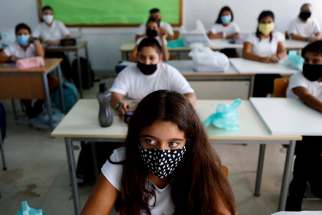
High schools are enforcing strict new mask-wearing and physical distancing policies, but frustrated teenagers say not all students are following the rules when teachers’ backs are turned.
Despite tightly enforced restrictions in classrooms and hallways, some high school students “throw away the rules completely after school ends,” a Grant Park student told the Free Press this week. Close unmasked contact, ignoring cohort-mandated school-day segregation in order to maintain friendship connections, and large-group gatherings, including weekend “bush parties,” are among the potentially transmissive transgressions cited by various observers.
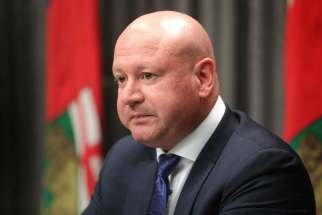
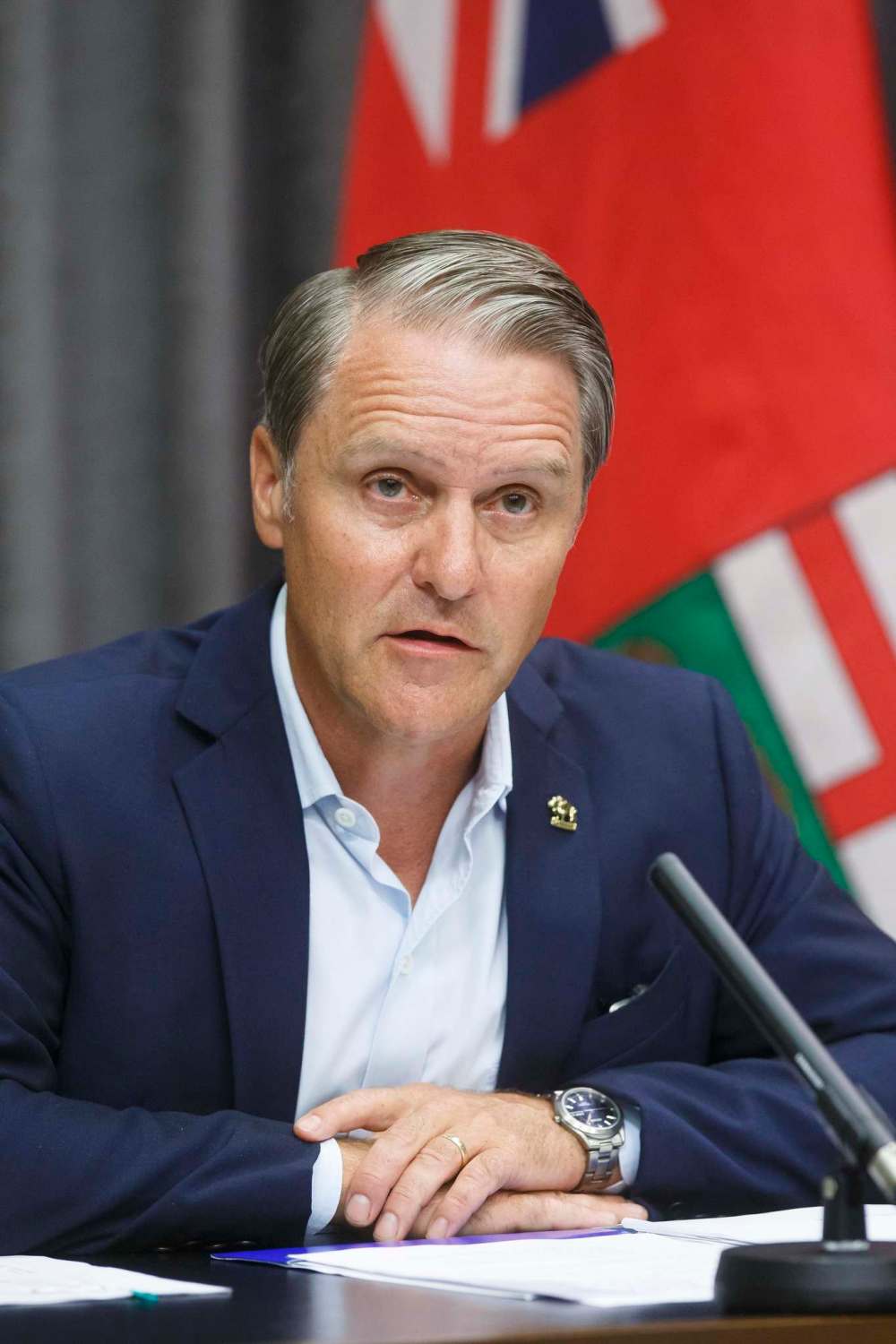
During a media briefing last week, Health Minister Cameron Friesen acknowledged the importance of getting the COVID-19 message to Manitoba’s youth. He did not, however, offer an inkling of how the province intends to attend to this most urgent of public-information needs.
When asked about the possibility of creating informational content for video-sharing platforms such as Snapchat or TikTok, which are hugely popular among youth, Mr. Friesen said he doesn’t have an account “but we do need to think about how we reach that younger crowd.”
The time for “thinking about” reaching youthful spreaders of viral infection has long since passed. The messaging should be well in motion, reaching youth in the online communities they share and informing them, in language and presentation they understand, but in no uncertain terms nonetheless, that altering their behaviour is a necessary element in containing the virus in a way that will protect them, their friends, their parents and their grandparents.

Winnipeg epidemiologist Cynthia Carr, founder of EPI Research Inc., said the creation of short, sharable videos might be an effective tool, particularly is they make young people feel they are part of the solution as opposed to the problem.
“Kids need to do their part, both within the school environment and outside the school environment, because the virus is always looking for a chance to spread,” she explained.
Relying on traditional media to spread the public-health message — which seems to be the sum total of the province’s strategy to date — is a losing strategy in the current COVID-19 fight. The province should capitalize on the knowledge and reach of Manitoba’s many young entrepreneurs in new-media fields — gig-economy startups, digital disrupters and social-media influencers — to enlist their support in getting the message to the audience it must reach.
Because they aren’t going to read it here.