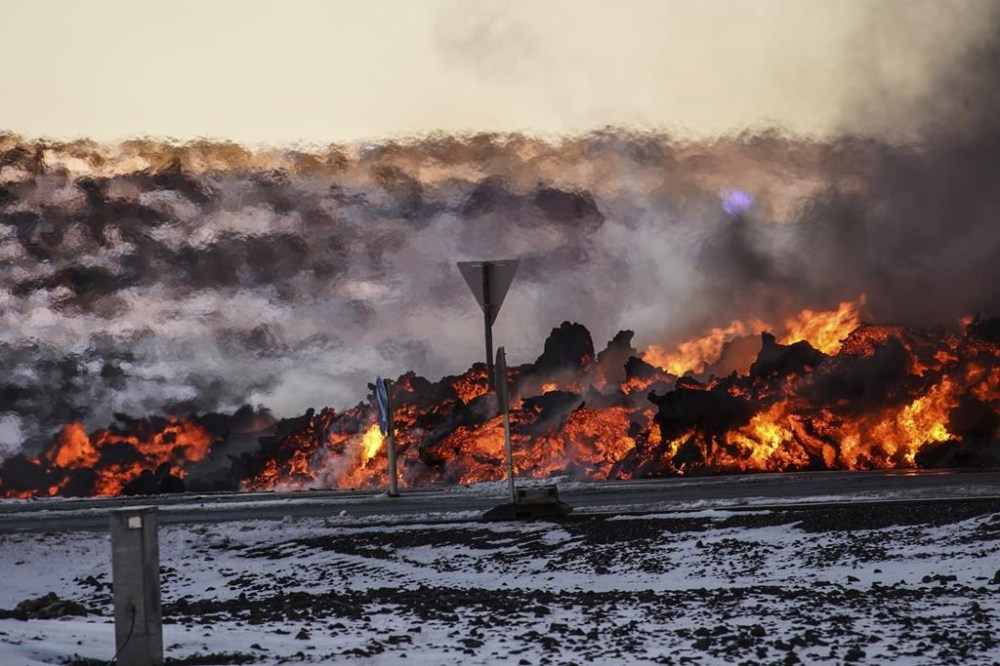
Volcanic eruption in Iceland subsides, though scientists warn more activity may follow.
Advertisement
Read this article for free:
or
Already have an account? Log in here »
To continue reading, please subscribe:
Digital Subscription
One year of digital access for only $1.44 a week*
- Enjoy unlimited reading on winnipegfreepress.com
- Read the E-Edition, our digital replica newspaper
- Access News Break, our award-winning app
- Play interactive puzzles
*Billed as $5.77 plus GST every four weeks. After 52 weeks, price increases to the regular rate of $19.95 plus GST every four weeks. Offer available to new and qualified returning subscribers only. Cancel any time.
To continue reading, please subscribe:
Add Free Press access to your Brandon Sun subscription for only an additional
$1 for the first 4 weeks*
- Enjoy unlimited reading on winnipegfreepress.com
- Read the E-Edition, our digital replica newspaper
- Access News Break, our award-winning app
- Play interactive puzzles
*Your next Brandon Sun subscription payment will increase by $1.00 and you will be charged $17.95 plus GST for four weeks. After four weeks, your payment will increase to $24.95 plus GST every four weeks.
Read unlimited articles for free today:
or
Already have an account? Log in here »
Hey there, time traveller!
This article was published 09/02/2024 (981 days ago), so information in it may no longer be current.
LONDON (AP) — A volcanic eruption in southwestern Iceland appears to have subsided, though scientists are warning that the area may experience further eruptions in the coming months.
Iceland’s Meteorological Office said late Thursday that the eruption had decreased significantly.
The eruption began at about 6 a.m. local time on Thursday in the area northeast of Mount Sýlingarfell, the Met Office said. It prompted the evacuation of the popular Blue Lagoon thermal spa and cut off heat and hot water to several communities on the Reykjanes Peninsula in southwestern corner of the island.
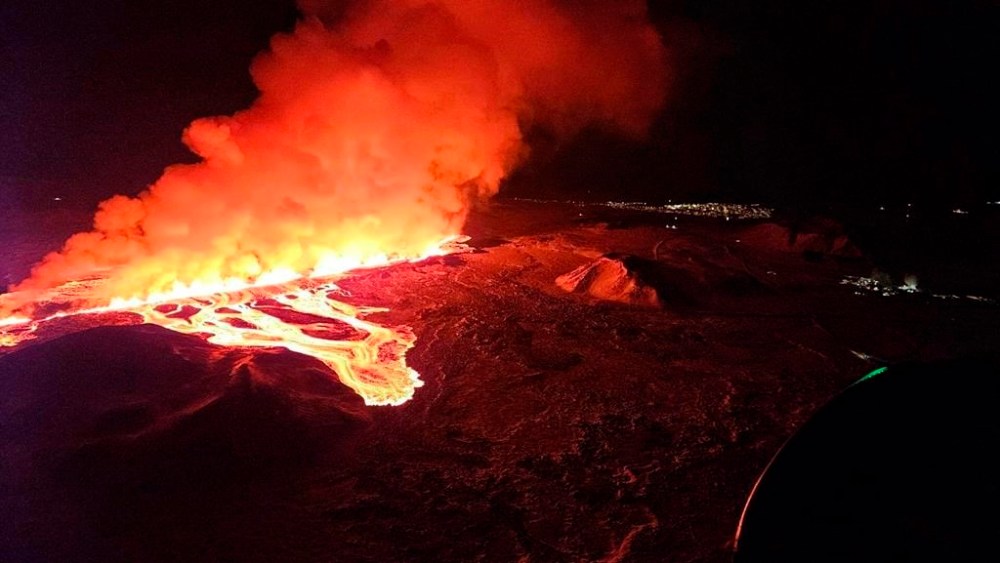
“Although the eruption has significantly decreased it is still too early to declare if it has come to an end,” the Met Office said Friday. The office said it was maintaining a close watch on the area.
Prime Minister Katrin Jakobsdottir said authorities hope to restore hot water to the area by midday on Friday, national broadcaster RUV reported.
The eruption site is about 4 kilometers (2 1/2 miles) northeast of Grindavik, a coastal town of 3,800 people that was evacuated before a previous eruption on Dec. 18. The town wasn’t threatened by Thursday’s eruption.
Benedikt Ófeigsson, a geophysicist at the Icelandic Met Office, told RUV that the area can expect an eruption every month or so over the next few months.
“In the long term, it’s very difficult to say, but in the short term, the next months, we will probably continue to see repeated magma intrusions and eruptions,’’ he said.