Parsing the pledge to protect Natural habitat and biodiversity conservation efforts had stalled under Manitoba’s previous government — will the NDP make good on its promise to reverse course?
Read this article for free:
or
Already have an account? Log in here »
To continue reading, please subscribe:
Digital Subscription
One year of digital access for only $1.44 a week*
- Enjoy unlimited reading on winnipegfreepress.com
- Read the E-Edition, our digital replica newspaper
- Access News Break, our award-winning app
- Play interactive puzzles
*Billed as $5.77 plus GST every four weeks. After 52 weeks, price increases to the regular rate of $19.95 plus GST every four weeks. Offer available to new and qualified returning subscribers only. Cancel any time.
To continue reading, please subscribe:
Add Free Press access to your Brandon Sun subscription for only an additional
$1 for the first 4 weeks*
- Enjoy unlimited reading on winnipegfreepress.com
- Read the E-Edition, our digital replica newspaper
- Access News Break, our award-winning app
- Play interactive puzzles
*Your next Brandon Sun subscription payment will increase by $1.00 and you will be charged $17.95 plus GST for four weeks. After four weeks, your payment will increase to $24.95 plus GST every four weeks.
Read unlimited articles for free today:
or
Already have an account? Log in here »
Hey there, time traveller!
This article was published 27/04/2024 (906 days ago), so information in it may no longer be current.
When Manitoba’s New Democratic Party made its bid for office last fall, its platform came sprinkled with policy promises to make climate action a priority.
Among them was a commitment to 30-by-30 conservation targets, which aim to protect 30 per cent of the world’s lands and waters by 2030.
Now six months into its tenure, and with its first budget in the books, the Manitoba NDP’s plan to meet 30-by-30 targets is beginning to take shape.
In 2019, the United Nations released a devastating report: nearly three-quarters of the planet had been “severely altered” by human activity, and up to one million species were at risk of extinction — many within decades.
Three years later, 188 countries, including Canada, signed a landmark agreement to curb the rampant loss of habitat and biodiversity. The agreement included 23 targets, notably a commitment to protect 30 per cent of all lands and waters by 2030.
This isn’t the first international conservation effort; the Aichi targets of 2010 saw 168 countries commit to protect 17 per cent of lands by 2020. In Canada, that target wasn’t realized.
By 2022, Canada had conserved 13 per cent of its terrestrial area. Manitoba had conserved 11 per cent of its land area.
Manitoba was the first province to create a protected areas initiative in 1990. The province protected more than 42,000 square kilometres (about seven per cent of the province) by the end of the decade.
But progress slowed to a near-halt after 2016. Under the tenure of the previous government, just 400 square kilometres — less than one per cent of provincial land area — was added to the network of protected areas.
Last fall, the incumbent Progressive Conservatives called 30-by-30 targets “arbitrary” and claimed a commitment could “harm economic development, particularly in northern communities, and disrupt various sectors across the province that rely on land use.”
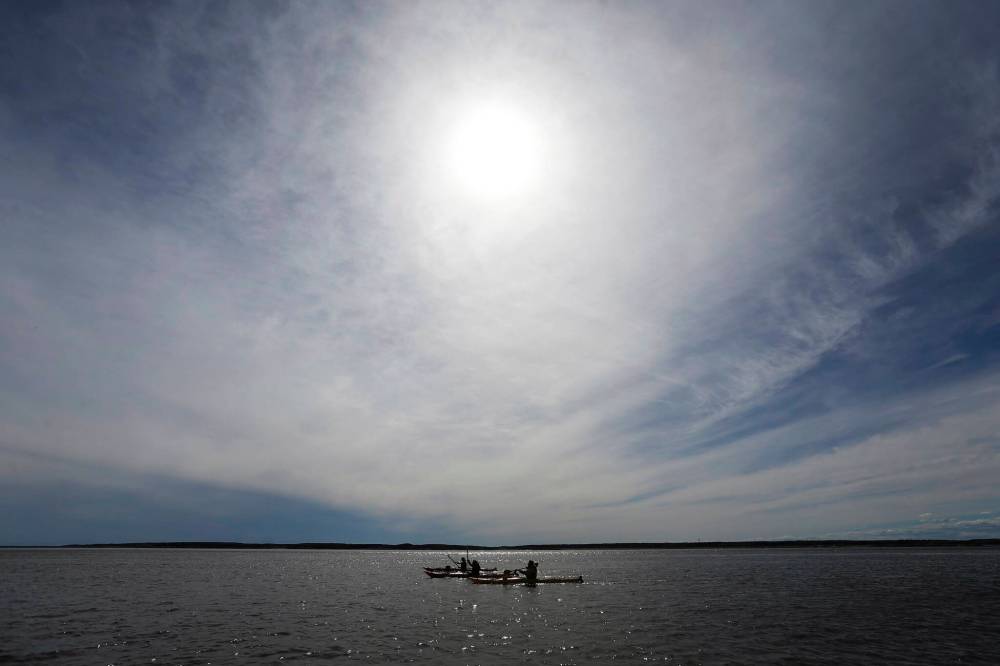
The new government has taken steps to add to the protected areas network.
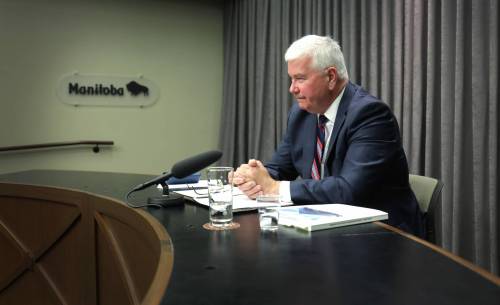
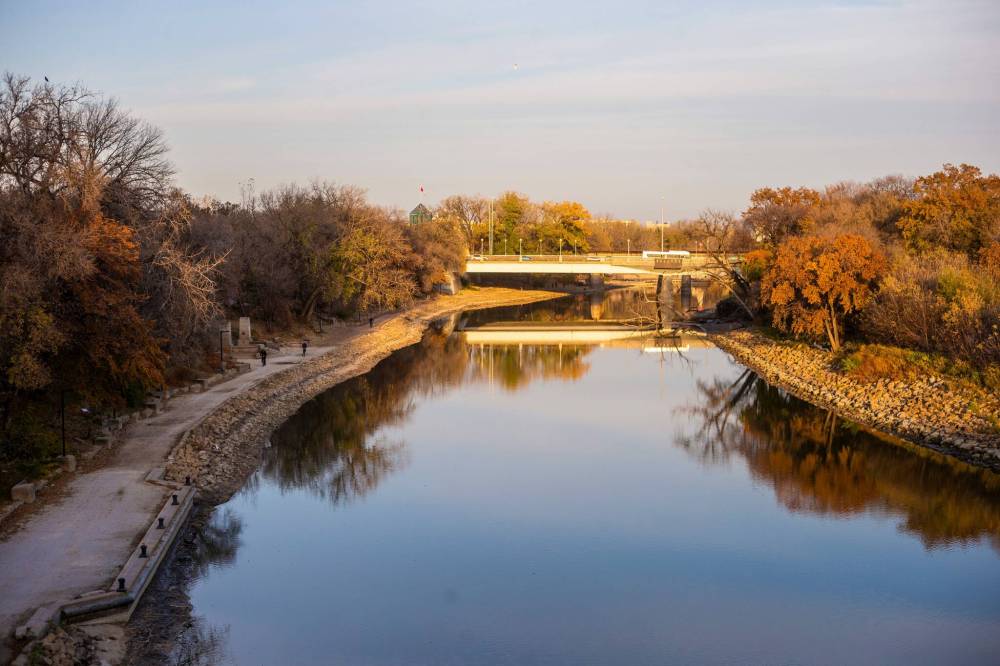
The province recently partnered with the City of Winnipeg to protect four urban parks: the Seine and LaSalle River corridors, Crescent Drive Park and the Rotary Tall Grass Nature Park in northeastern Winnipeg, Environment and Climate Change Minister Tracy Schmidt announced in an interview. Those areas total three square kilometres, Schmidt said, adding “every little bit counts.”
It was a breath of fresh air for the Canadian Parks and Wilderness Society when Manitoba adopted 30-by 30-targets this past fall.
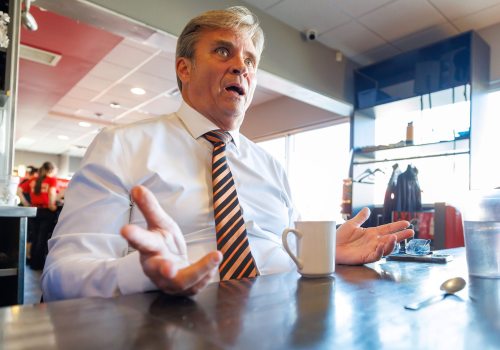
“Good early progress was made with the announcement of interim protection for the Seal River Watershed that will bring it up to over 17 per cent protected in Manitoba,” Ron Thiessen, executive director of the Manitoba chapter of the society, said in an interview.
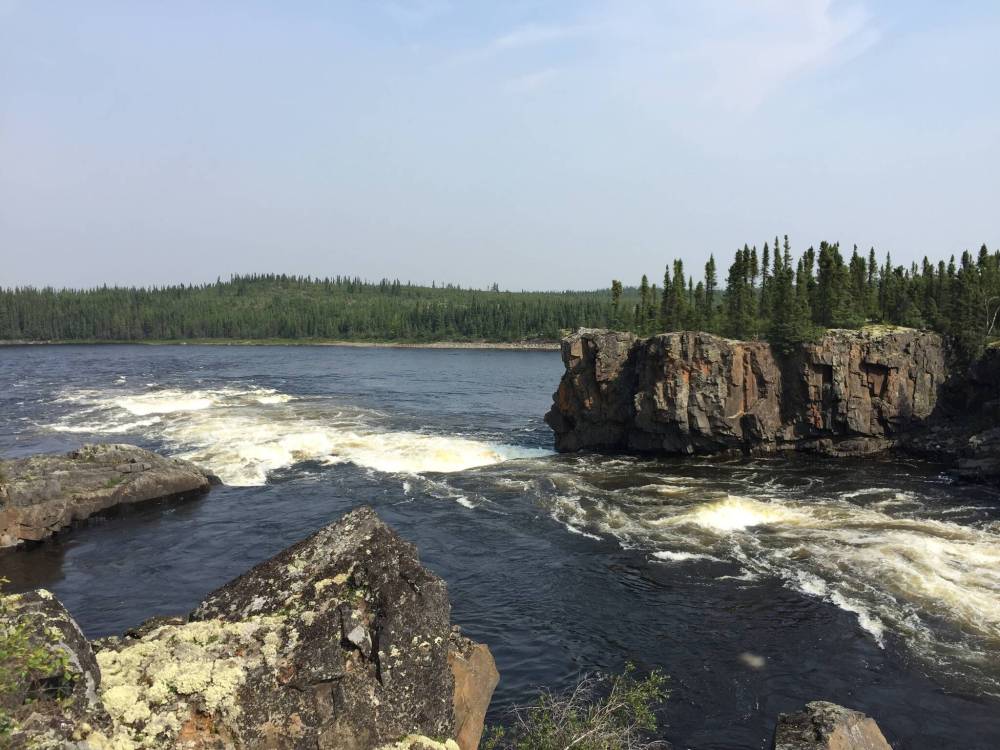
The Seal River Watershed Alliance, representing four northern Manitoba First Nations, had been working to protect the 42,000-square-kilometre Seal River watershed — about seven per cent of Manitoba’s land area — since 2016. Manitoba committed to temporarily protecting the land at the 2022 biodiversity conference, though it was over a year before an agreement was signed.
Documents obtained by The Narwhal and Free Press reveal some of the land in the proposed boundary of the Seal River protected area is believed to have “the highest potential for diamonds in Manitoba,” as well as stores of gold and critical minerals. The documents show the mining department claimed the remote nature of the landscape “necessitates government grassroot exploration work to stimulate industry exploration.”
‘The Seal River is incredible, it is a jewel. … But it’s only half of what we need to do. We need 100 other places around the province that protect nature in people’s backyards.’– Eric Reder, Wilderness Committee
“Government before didn’t want to give it to us,” the alliance’s executive director, Stephanie Thorassie, said in January. “They didn’t want to alarm the mining community, is how they put it, because we were ‘sterilizing’ the land.”
Under the new government, the agreement moved quickly. In January, parties signed a memorandum of understanding barring mining exploration while feasibility studies take place.
That means the land is protected — for now. If the watershed is permanently protected, it will be the largest single addition to the protected areas network since 1990.
“It was one of the first acts of our government to sign that (memorandum of understanding) and I think it’s a strong signal of where our priorities are,” Schmidt said.
But tensions between mining and conservation haven’t faded away. Many Manitoba parks still allow exploration; about a dozen new claims have been staked on park lands since the election. The government is re-writing Manitoba’s critical-mineral strategy — a document to guide the revitalization of Manitoba’s mining industry — and Thiessen said he has yet to see conservation goals factor in.
“A critical-mineral strategy needs to be produced in the context of protecting 30 per cent of Manitoba by 2030,” he said.
While the Seal River agreement suggested Manitoba would follow through on conservation commitments, “We were disappointed to see that 30 by 30 was not even given a mention in the budget,” Thiessen said.
The budget promised new staff for “parks and other services” and a revitalization of the conservation officer service. The parks budget increased by approximately $4.4 million this year — though the vast majority is dedicated to a $5.3-million grant to support all-terrain vehicle associations to develop and maintain trails.
Funding allocation for parks staff decreased by about $300,000, and the capital budget for park infrastructure decreased by almost 50 per cent.
Schmidt said funding for protected areas will come from sources across government. The NDP struck an interdepartmental working group with the parks, natural resources, agriculture and Indigenous reconciliation branches to help guide planning.
Related Articles
Province restores funding to environmental groups





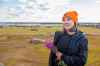

Speaking on budget day, Eric Reder, campaign manager for Manitoba’s branch of the Wilderness Committee, noted his disappointment with the lack of funds for conservation.
“We have six years to triple the amount of protected areas in the province and the resources have to be there to do that,” Reder said.
“The Seal River is incredible, it is a jewel. … But it’s only half of what we need to do. We need 100 other places around the province that protect nature in people’s backyards.”
Establishing a protected area can drag on for years. The province had been working with the City of Winnipeg since 2007 to establish urban protected areas — the first were established in 2020.
With just six years left on the targeted timeline, Thiessen said, “We are abundantly clear that there is no time to wait.”
The province is in talks with the federal government to establish an agreement that would provide significant federal resources for conservation, Schmidt said, including funding for more staff in the parks department.
Thiessen said his organization is urging the province to secure that partnership “as quickly as possible — before the opportunity no longer exists.”
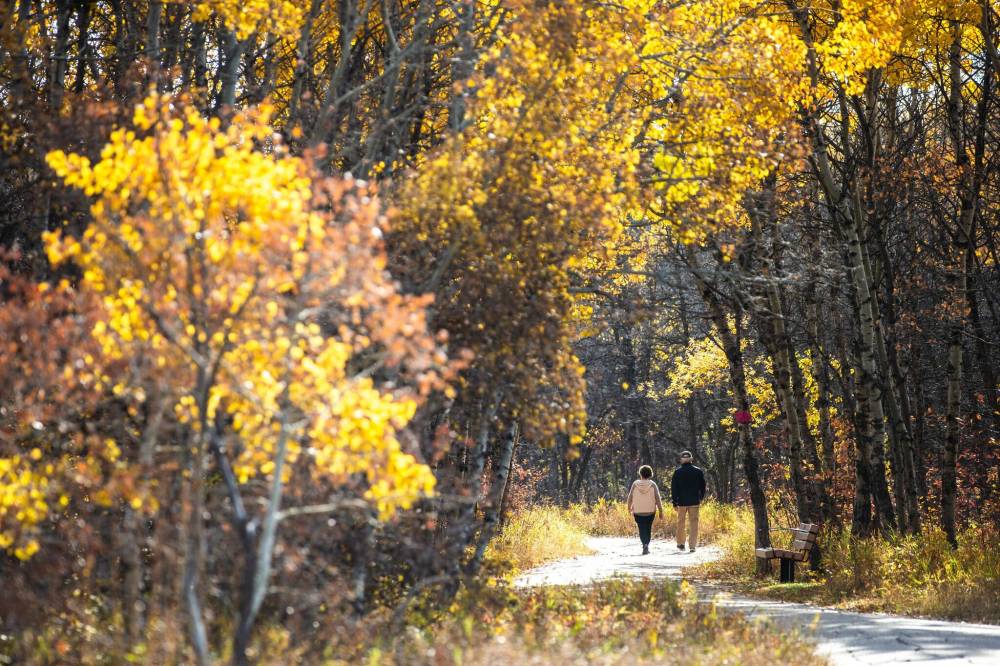
In the meantime, the parks and wilderness society is not waiting for the province. Between 2004 and 2006, Manitoba identified more than 100 areas of special interest, effectively candidates to designate as protected areas, totalling more than 70,000 square kilometres. The parks and wilderness society recently began reaching out to Indigenous communities in those areas to gauge interest in conservation.
The organization already works directly with five First Nations in exploring a potential protected area within a 46,000-square-kilometre region bordering Hudson Bay in northeastern Manitoba. The resulting Kitaskeenan initiative is in the early stages of consultation.
The parks and wilderness society is also supporting Fisher River Cree Nation and Peguis First Nation with a proposal to protect swathes of the Interlake region — part of the boreal forest ecosystem. Both the federal and provincial governments support this initiative.
There are other protected areas in the works: a proposed national marine conservation area on western Hudson Bay could encompass portions of the Manitoba coastline.
In 2021, the federal government committed $130 million to developing a network of urban national parks across Canada, including one park slated for Winnipeg. The location of the park has not yet been decided, though proposals to protect Winnipeg’s Assiniboine Forest have received public support.
Protecting 30 per cent of Manitoba by 2030 is “ambitious, but it’s achievable,” Thiessen said.
Julia-Simone.Rutgers@freepress.mb.ca
Julia-Simone Rutgers is a climate reporter with a focus on environmental issues in Manitoba. Her position is part of a three-year partnership between the Free Press and The Narwhal, funded by the Winnipeg Foundation.

Julia-Simone Rutgers is an investigative reporter who joined the Free Press in 2020. Read more about Julia-Simone.
Every piece of reporting Julia-Simone produces is reviewed by an editing team before it is posted online or published in print — part of the Free Press‘s tradition, since 1872, of producing reliable independent journalism. Read more about Free Press’s history and mandate, and learn how our newsroom operates.
Our newsroom depends on a growing audience of readers to power our journalism. If you are not a paid reader, please consider becoming a subscriber.
Our newsroom depends on its audience of readers to power our journalism. Thank you for your support.