

New Zealand food bank distributes candy made from a potentially lethal amount of methamphetamine
Advertisement
Read this article for free:
or
Already have an account? Log in here »
To continue reading, please subscribe:

Digital Subscription
One year of digital access for only $205*
- Enjoy unlimited reading on winnipegfreepress.com
- Read the E-Edition, our digital replica newspaper
- Access News Break, our award-winning app
- Play interactive puzzles
*First annual payment billed as $205.00 + GST for one year. This annual subscription will automatically renew at $233.00 + GST every 52 weeks (10% off the regular annual price of $259.35). Offer available to new and qualified returning subscribers only. Cancel any time.
To continue reading, please subscribe:
Add Free Press access to your Brandon Sun subscription for only an additional
$1 for the first 4 weeks*
- Enjoy unlimited reading on winnipegfreepress.com
- Read the E-Edition, our digital replica newspaper
- Access News Break, our award-winning app
- Play interactive puzzles
*Your next Brandon Sun subscription payment will increase by $1.00 and you will be charged $17.95 plus GST for four weeks. After four weeks, your payment will increase to $24.95 plus GST every four weeks.
Read unlimited articles for free today:
or
Already have an account? Log in here »
Hey there, time traveller!
This article was published 13/08/2024 (787 days ago), so information in it may no longer be current.
WELLINGTON, New Zealand (AP) — A New Zealand charity working with homeless people in Auckland unknowingly distributed candies filled with a potentially lethal dose of methamphetamine in its food parcels after the sweets were donated by a member of the public.
Auckland City Mission said Wednesday that staff had started to contact up to 400 people to track down parcels that could contain the sweets, which were solid blocks of methamphetamine enclosed in candy wrappers. Three people were treated in hospital after consuming them, but were later discharged, authorities said.
The amount of methamphetamine in each candy was up to 300 times the level someone would usually take and could be lethal, according to the New Zealand Drug Foundation, which is a drug checking and policy organization that first tested the candies.
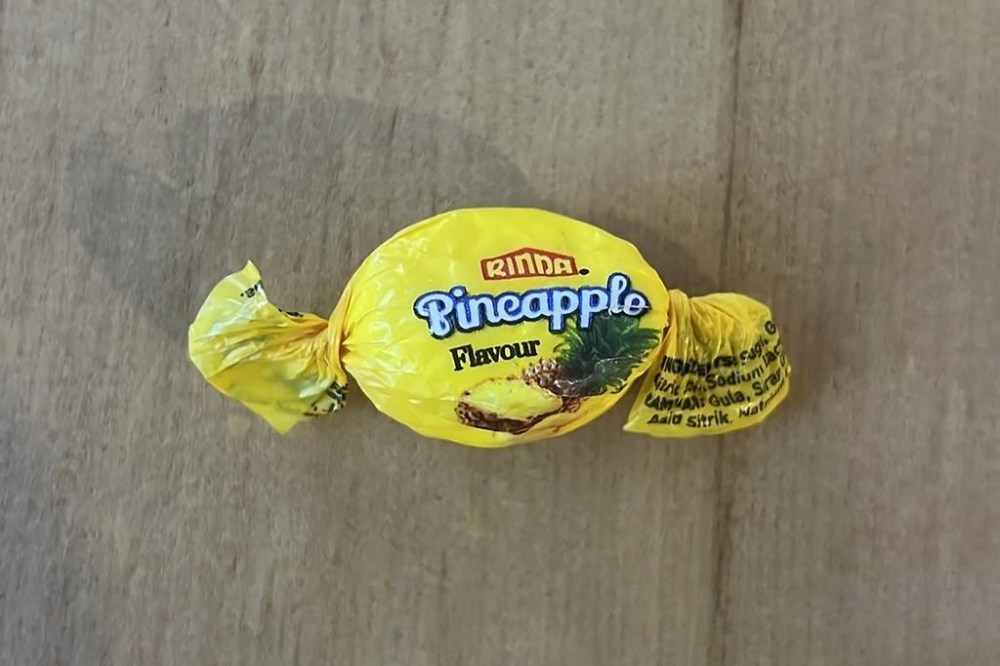
Ben Birks Ang, a Foundation spokesperson, said disguising drugs as innocuous goods is a common cross-border smuggling technique and more of the candies might have been distributed throughout New Zealand.
The sweets had a street value of NZ$1,000 ($608) per candy, which suggested the donation by an unknown member of the public was accidental rather than a deliberate attack, Birks Ang said.
The authorities’ “initial perceptions” were that the episode was likely an importation scheme gone awry, Detective Inspector Glenn Baldwin said, but the nature and scale of the operation was unknown. Officers had recovered 29 of the candies, but did not know how many were circulating, he said Thursday.
Police were investigating reports that someone had attempted to sell one of the sweets online, he added.
The City Missioner, Helen Robinson, said eight families, including at least one child, had reported consuming the contaminated candies since Tuesday. The “revolting” taste led most to immediately spit them out, she said.
The charity’s food bank accepts only donations of commercially produced food in sealed packaging, Robinson said. The pineapple candies, stamped with the label of Malaysian brand Rinda, “appeared as such when they were donated,” arriving in a retail-sized bag, she added.
Auckland City Mission was alerted Tuesday by a food bank client who reported “funny-tasting” candy. Staff tasted some of the remaining candies and immediately contacted authorities. One staff member was taken to hospital after sampling the sweet, Baldwin said, adding that a child and a “young person” were also treated in hospital before being discharged.
The candies had been donated sometime in the past six weeks, Robinson said. It was not clear how many had been distributed in that time and how many were made of methamphetamine.
Rinda said in a written statement that the company learned through New Zealand news reports that its candies “may have been misused” and would cooperate with authorities.
“We want to make it clear that Rinda Food Industries does not use or condone the use of any illegal drugs in our products,” General Manager Steven Teh said.
Methamphetamine is a powerful, highly addictive stimulant that affects the central nervous system. It takes the form of a white, odorless, bitter-tasting crystalline powder that easily dissolves in water or alcohol.