Floodwater reservoir becomes Poland’s hero for preventing major flooding
Advertisement
Read this article for free:
or
Already have an account? Log in here »
To continue reading, please subscribe:

Digital Subscription
One year of digital access for only $205*
- Enjoy unlimited reading on winnipegfreepress.com
- Read the E-Edition, our digital replica newspaper
- Access News Break, our award-winning app
- Play interactive puzzles
*First annual payment billed as $205.00 + GST for one year. This annual subscription will automatically renew at $233.00 + GST every 52 weeks (10% off the regular annual price of $259.35). Offer available to new and qualified returning subscribers only. Cancel any time.
To continue reading, please subscribe:
Add Free Press access to your Brandon Sun subscription for only an additional
$1 for the first 4 weeks*
- Enjoy unlimited reading on winnipegfreepress.com
- Read the E-Edition, our digital replica newspaper
- Access News Break, our award-winning app
- Play interactive puzzles
*Your next Brandon Sun subscription payment will increase by $1.00 and you will be charged $17.95 plus GST for four weeks. After four weeks, your payment will increase to $24.95 plus GST every four weeks.
Read unlimited articles for free today:
or
Already have an account? Log in here »
Hey there, time traveller!
This article was published 24/09/2024 (736 days ago), so information in it may no longer be current.
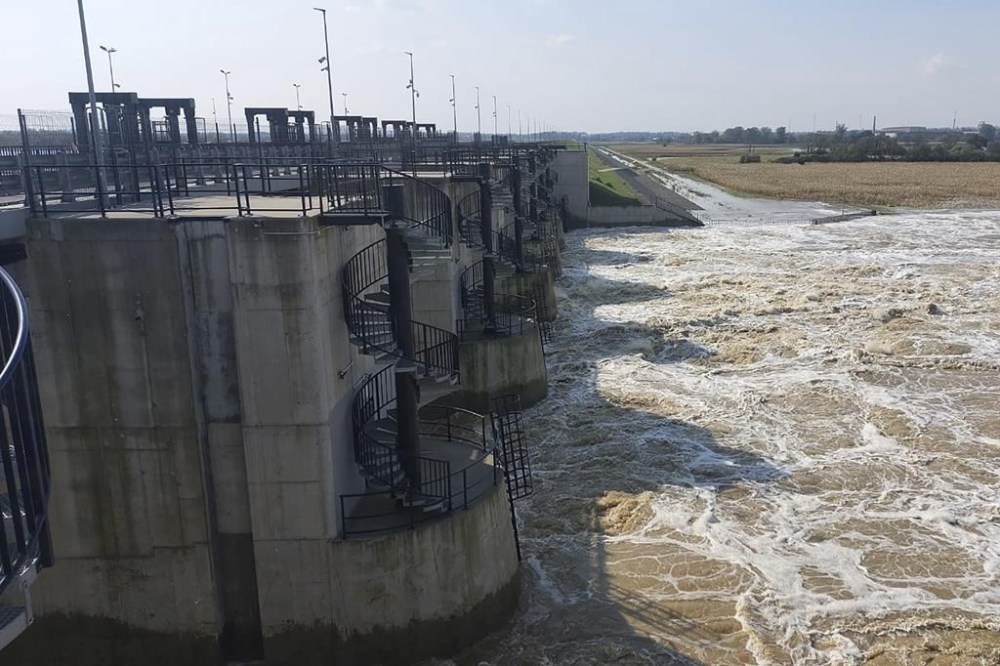
WARSAW, Poland (AP) — Grateful Poles are heaping praise — and coming up with fond names — to honor their silent hero that just saved them: a floodwater reservoir that spared the cities of Opole and Wroclaw from imminent flooding that ravaged parts of Central Europe.
“National Hero,” the “King of Gold” and “Raciborz Reservoir the Great.” Some social media entries even suggest that the Lower Raciborz Reservoir floodplains should be named after Poland’s famous goalkeeper Wojciech Szczesny.
Located on the Oder River, the anti-flood reservoir was built following lesson from the 1997 “flood of the century” that devastated the two cities. It took a decade and some 2 billion zlotys ($520 million) to build and two villages had to be resettled. Part of the funds came from the European Union and the World Bank.
It opened in 2020 on some 26 square kilometers (10 square miles) of wildland, and has the capacity of holding 185 million cubic meters of floodwater. It passed the test by effectively flattening the Oder’s giant flood wave as torrential rains inundated Central Europe this month.
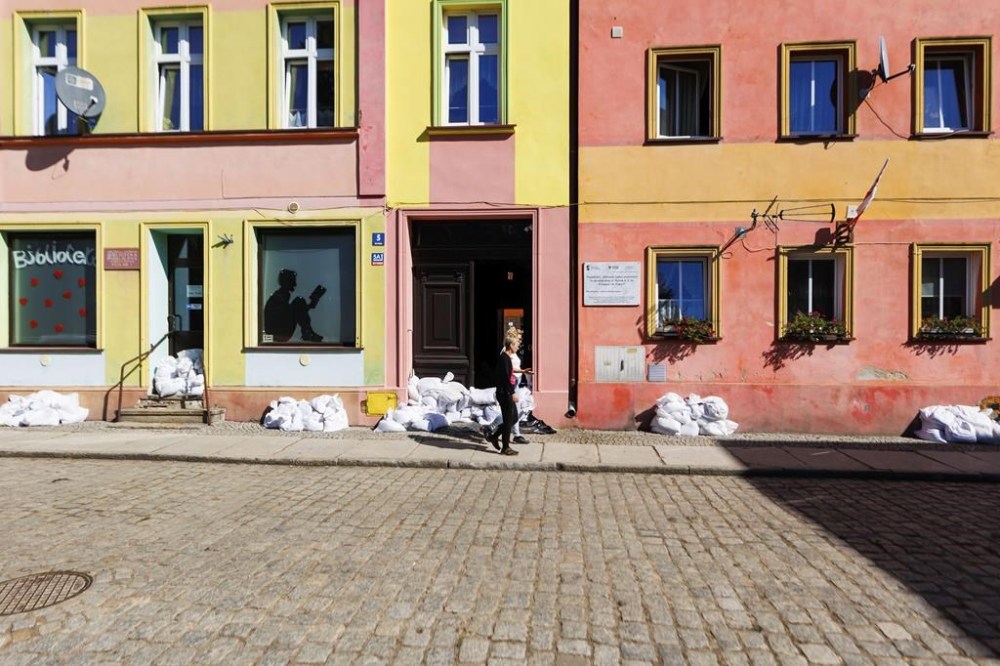
Mindful of the 1997 disaster, residents of Opole and Wroclaw watched with apprehension as the river was cresting to the brims — but never spilled into the streets or houses.
Some places not covered by the Raciborz Reservoir system suffered heavy flooding as the amount of rain in just four days equaled a six-month volume.