New Zealand’s founding treaty is at a flashpoint. Why are thousands protesting for Māori rights?
Advertisement
Read this article for free:
or
Already have an account? Log in here »
To continue reading, please subscribe:

Digital Subscription
One year of digital access for only $205*
- Enjoy unlimited reading on winnipegfreepress.com
- Read the E-Edition, our digital replica newspaper
- Access News Break, our award-winning app
- Play interactive puzzles
*First annual payment billed as $205.00 + GST for one year. This annual subscription will automatically renew at $233.00 + GST every 52 weeks (10% off the regular annual price of $259.35). Offer available to new and qualified returning subscribers only. Cancel any time.
To continue reading, please subscribe:
Add Free Press access to your Brandon Sun subscription for only an additional
$1 for the first 4 weeks*
- Enjoy unlimited reading on winnipegfreepress.com
- Read the E-Edition, our digital replica newspaper
- Access News Break, our award-winning app
- Play interactive puzzles
*Your next Brandon Sun subscription payment will increase by $1.00 and you will be charged $17.95 plus GST for four weeks. After four weeks, your payment will increase to $24.95 plus GST every four weeks.
Read unlimited articles for free today:
or
Already have an account? Log in here »
Hey there, time traveller!
This article was published 18/11/2024 (685 days ago), so information in it may no longer be current.
WELLINGTON, New Zealand (AP) — A proposed law that would redefine New Zealand’s founding treaty between the British Crown and Māori chiefs has triggered political turmoil and prompted 42,000 people to show up in protest at the country’s Parliament on Tuesday.
The bill is never expected to become law. But it has become a flashpoint on race relations and a critical moment in the fraught 180-year-old conversation about how New Zealand should honor its promises to Indigenous people when the country was colonized -– and what those promises are.
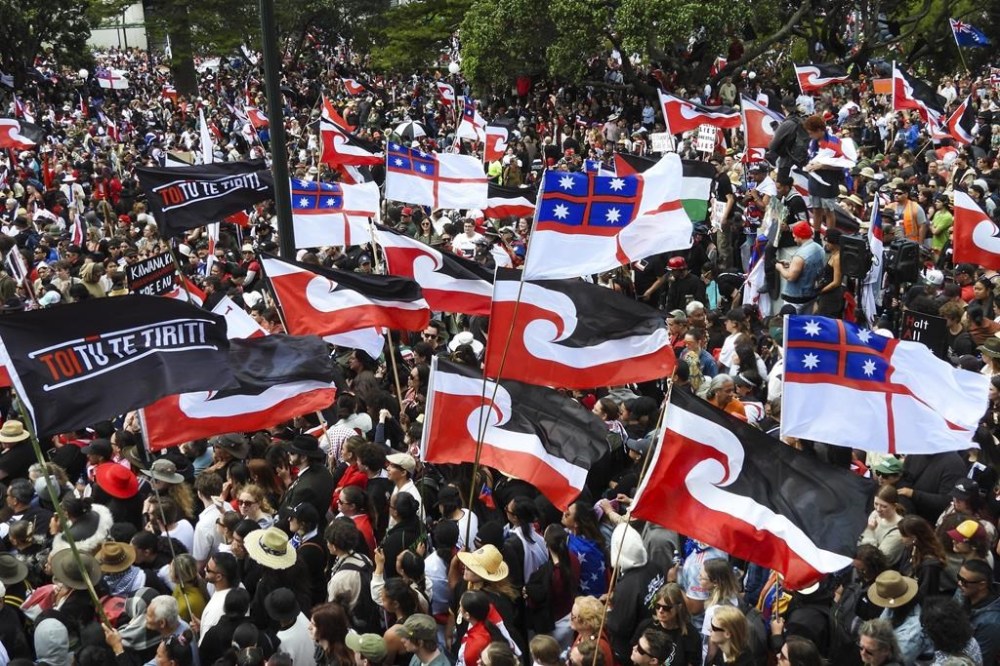
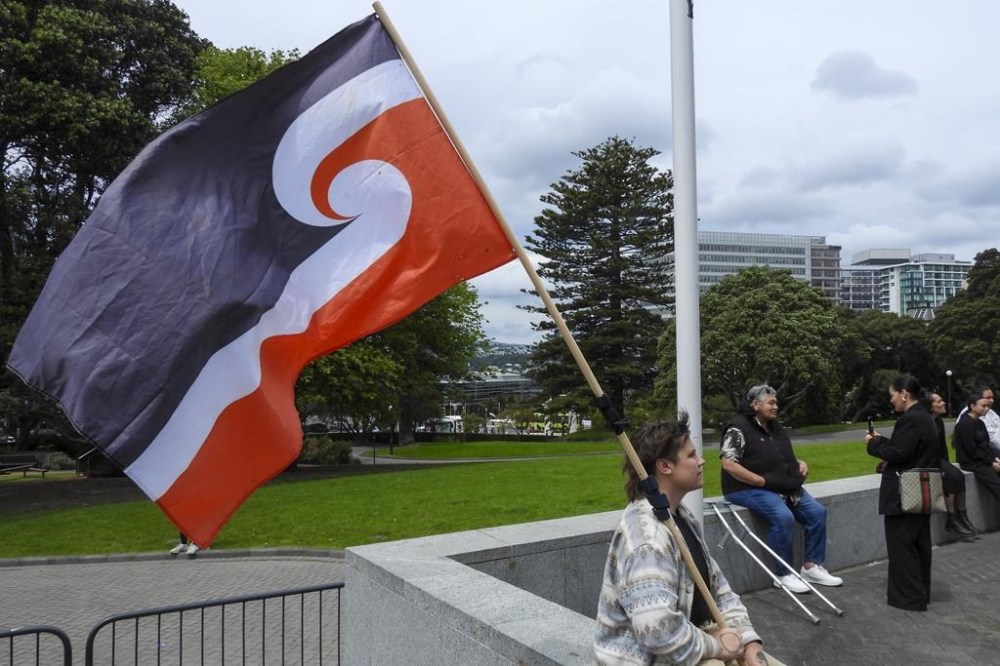
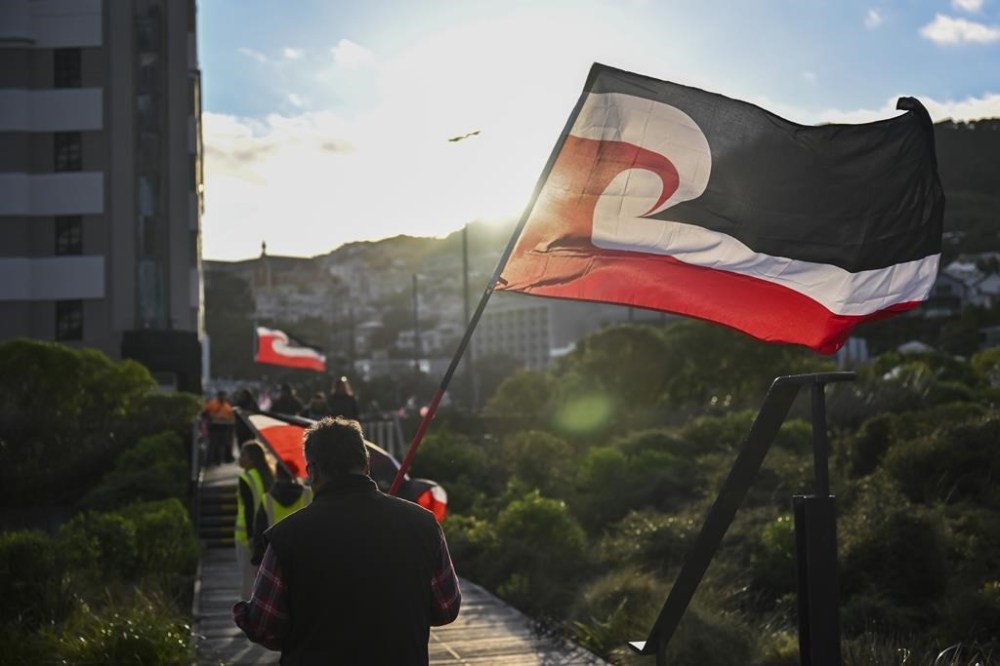
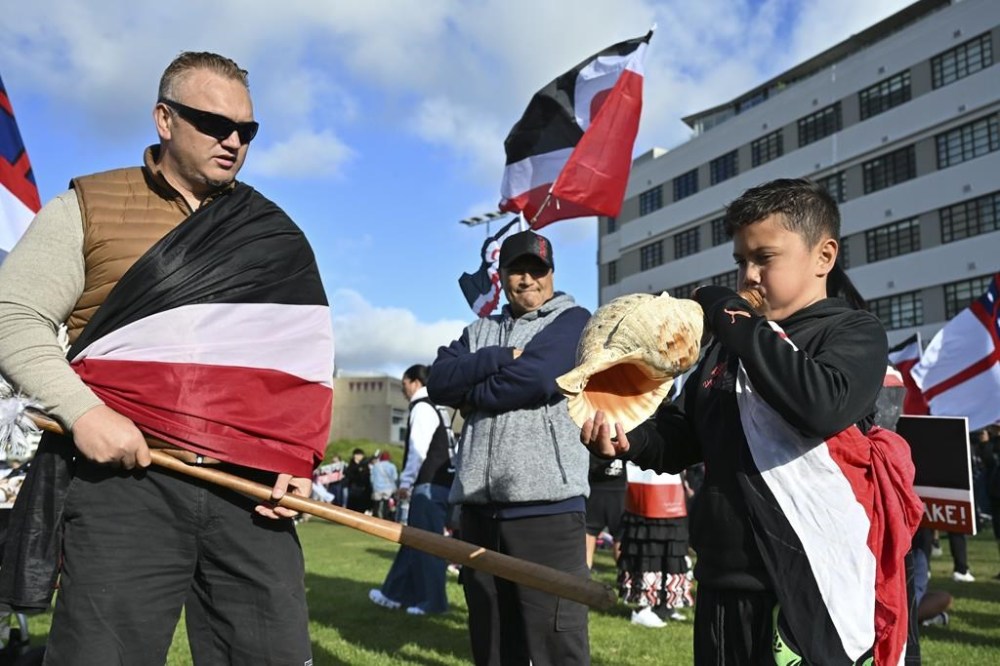
Tens of thousands of people gathered in the capital, Wellington, on Tuesday morning for the final stretch of a weeklong protest that has spanned the length of the country — a march through the city streets to Parliament. It follows a Māori tradition of hīkoi, or walking, to bring attention to breaches of the 1840 Treaty of Waitangi — and is likely to be the largest treaty rights demonstration in the history of modern New Zealand.
Why is a 180-year-old treaty being debated?
Considered New Zealand’s founding document, the treaty was signed between representatives of the British Crown and 500 Māori chiefs during colonization. It laid out principles guiding the relationship between the Crown and Māori, in two versions -– one in English and the other in Māori.
It promised Māori the rights and privileges of British citizens, but the English and Māori versions differed on what power the chiefs were ceding over their affairs, lands and autonomy.
Over decades, the Crown breached both versions. By the mid-20th century, Māori language and culture had dwindled -– Indigenous people were often barred from practicing it — tribal land was confiscated and Māori were disadvantaged in many metrics.
How were treaty rights revived?
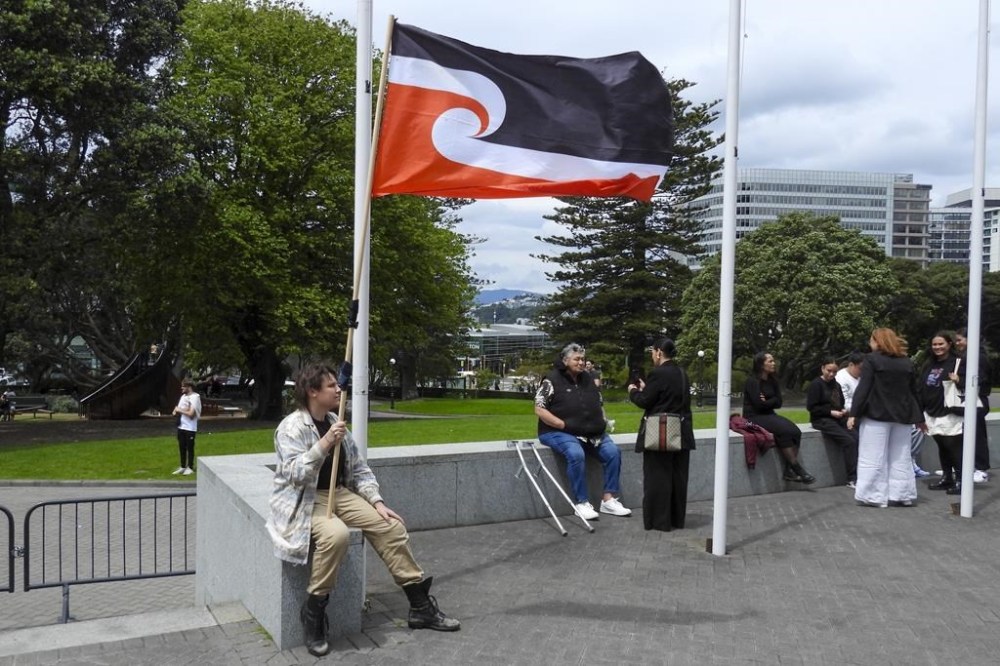
Prompted by a surging Māori protest movement, for the past 50 years the courts of New Zealand, lawmakers and the Waitangi Tribunal -– a permanent body set up to adjudicate treaty matters -– have navigated the differences in the treaty’s versions and tried to redress breaches by constructing the meaning of the treaty’s principles in their decisions.
Those principles are intended to be flexible but are commonly described as partnership with the Crown, protection of Māori interests and participation in decision-making.
While Māori remain disenfranchised in many ways, the weaving of treaty recognition through law and attempts at redress have changed the fabric of society since then. Māori language has experienced a renaissance, and everyday words are now commonplace -– even among non-Māori. Policies have been enacted to target disparities Māori commonly face.
Billions of dollars in settlements have been negotiated between the Crown and tribes for breaches of the treaty, particularly the widespread expropriation of Māori land and natural resources.
Why is there fresh debate?
Some New Zealanders, however, are unhappy with redress. They have found a champion in lawmaker David Seymour, the leader of a minor libertarian political party which won less than 9% of the vote in last year’s election -– but scored outsized influence for its agenda as part of a governing agreement.
Seymour‘s proposed law would set specific definitions of the treaty’s principles, and would apply them to all New Zealanders, not only to Māori. He says piecemeal construction of the treaty’s meaning has left a vacuum and has given Māori special treatment.
His bill is widely opposed — by left- and right-wing former prime ministers, 40 of the country’s most senior lawyers, and thousands of Māori and non-Māori New Zealanders who are walking the length of the country in protest.
Seymour’s bill is not expected to pass its final reading. It cleared a first vote on Thursday due to a political deal, but most of those who endorsed it are not expected to do so again.
Detractors say the bill threatens constitutional upheaval and would remove rights promised in the treaty that are now enshrined in law. Critics have also lambasted Seymour -– who is Māori -– for provoking backlash against Indigenous people.
Why are protesters marching?
Peaceful walking protests are a Māori tradition and have occurred before at crucial times during the national conversation about treaty rights.
Police in the country of 5 million said 42,000 people thronged Parliament’s grounds on Tuesday after a march through the central city that shut down streets and drew thousands more onlookers, many holding signs in support of the protesters.
As those outside Parliament waved flags, sang Māori songs and listened to speeches, crowds who could not squeeze onto the grounds spilled onto the surrounding streets, which remained closed to traffic.
Many are marching to oppose Seymour’s bill. But others are protesting a range of policies from the center-right government on Māori affairs -– including an order, prompted by Seymour, that public agencies should no longer target policies to specifically redress Māori inequities.