Hydro embarks on $7-billion overhaul of two main transmission lines Undertaking will ensure ‘reliable’ power grid for future, utility says
Read this article for free:
or
Already have an account? Log in here »
To continue reading, please subscribe:

Digital Subscription
One year of digital access for only $205*
- Enjoy unlimited reading on winnipegfreepress.com
- Read the E-Edition, our digital replica newspaper
- Access News Break, our award-winning app
- Play interactive puzzles
*First annual payment billed as $205.00 + GST for one year. This annual subscription will automatically renew at $233.00 + GST every 52 weeks (10% off the regular annual price of $259.35). Offer available to new and qualified returning subscribers only. Cancel any time.
To continue reading, please subscribe:
Add Free Press access to your Brandon Sun subscription for only an additional
$1 for the first 4 weeks*
- Enjoy unlimited reading on winnipegfreepress.com
- Read the E-Edition, our digital replica newspaper
- Access News Break, our award-winning app
- Play interactive puzzles
*Your next Brandon Sun subscription payment will increase by $1.00 and you will be charged $17.95 plus GST for four weeks. After four weeks, your payment will increase to $24.95 plus GST every four weeks.
Read unlimited articles for free today:
or
Already have an account? Log in here »
Hey there, time traveller!
This article was published 15/07/2025 (426 days ago), so information in it may no longer be current.
Manitoba Hydro has launched a historic and long overdue overhaul of its two main transmission lines that will cost at least $7 billion and require up to 15 years of electricity rate hikes, the Free Press has learned.
The HVDC (high-voltage direct current) Reliability Project involves the replacement of the converter stations and other equipment at both ends of Bipoles I and II, the two main transmission lines that each run nearly 1,000 kilometres from northern Manitoba through the Interlake to Winnipeg. The two lines carry more than 70 per cent of Hydro’s total generated electricity.
WAYNE GLOWACKI / FREE PRESS FILES Manitoba Hydro has launched a historic and long overdue overhaul of its two main transmission lines that will cost at least $7 billion.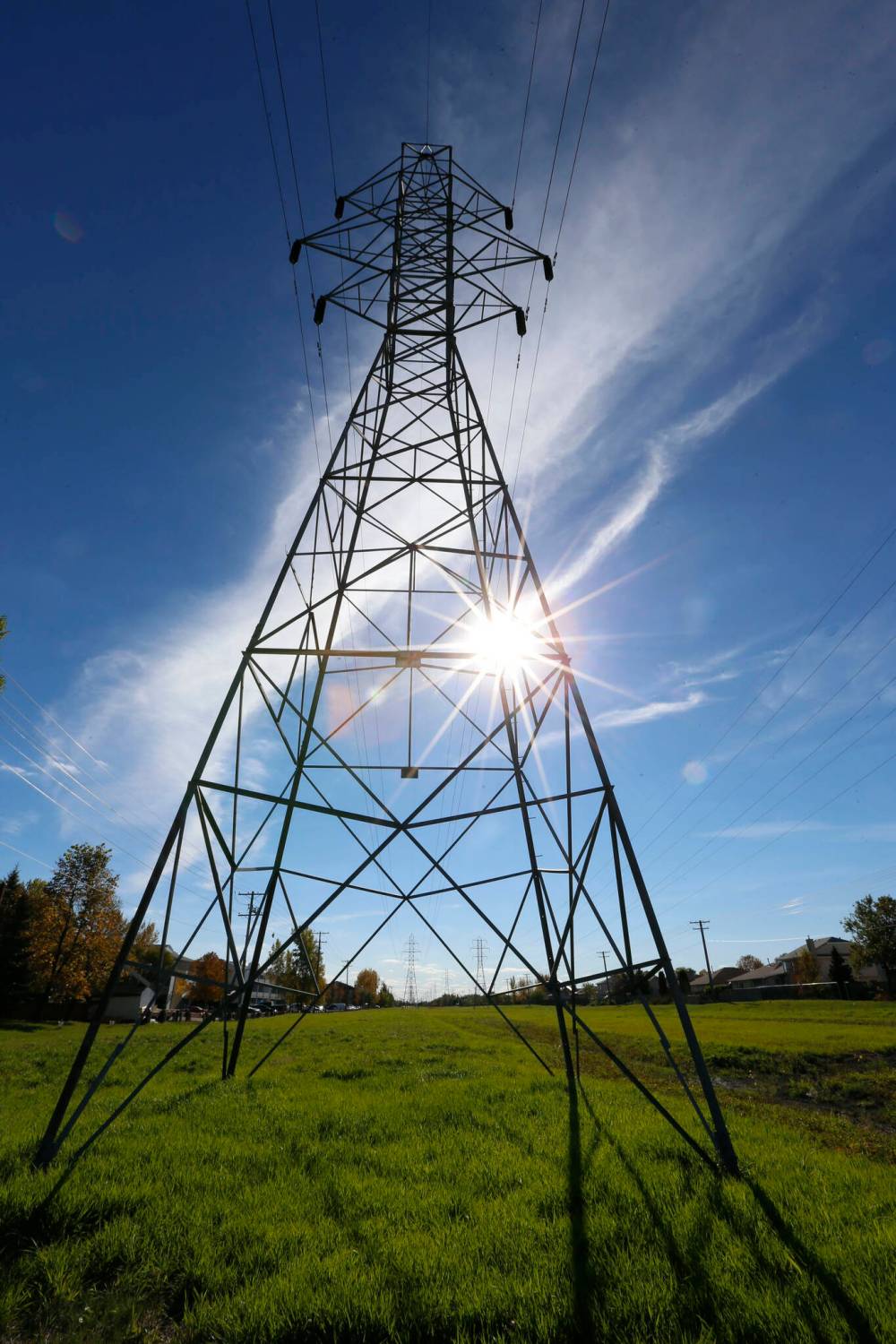
Hydro has estimated the project will cost at least $7 billion, although because it is still at a very early stage, officials at the utility concede the final price tag will be higher.
A Hydro spokesman confirmed the utility has started a procurement process that will establish a precise cost to replace the converter stations and is conducting a search for contractors to oversee the work. A more accurate estimate of the total cost will not be available until “the full scope of work” is identified, the spokesman said.
Even at $7 billion, this would be the most expensive capital project undertaken by the Crown corporation, exceeding the investments made in any single generating station. It’s significantly more than the cost of Bipole III, the politically controversial transmission line that runs from the north along the west side of Lake Manitoba. Bipole III was completed in 2018 at a cost of just over $5 billion.
Hydro’s 2026-28 rate application, which has been filed with the Public Utilities Board, said the project would take more than a decade to complete and based on Hydro’s latest calculations, require 15 years of annual rate increases of 3.5 per cent.
Although electricity rate increases are politically unpopular, Hydro will argue before the PUB that the viability of the transmission system is at stake if the work is not done.
“This is not just about meeting new energy needs in the future,” said Ben Graham, chairman of the Hydro board of directors. “It’s about ensuring a reliable grid now so that Manitobans will have the power they need when they need it.”
MIKE DEAL / FREE PRESS FILES Manitoba Finance Minister Adrien Sala, the minister responsible for Hydro, says the NDP government approved the HVDC project as part of its process of reviewing the utility’s 2025-26 budget.
Finance Minister Adrien Sala, the minister responsible for Hydro, said the NDP government approved the HVDC project as part of its process of reviewing the utility’s 2025-26 budget. He said that despite urgings from Hydro, the previous Tory government ignored the state of the transmission line converters and deferred a formal decision about starting the HVDC project.
“We know for many years, the former government failed to make necessary investments to ensure continued reliability at Hydro, and also ensure that we would have the energy we needed to support Manitobans and our businesses,” Sala said. “So, I think we’re making sure that we keep that all important balance between preserving affordability while ensuring Manitobans have access to the energy they need to power their homes and their businesses.”
“For many years, the former government failed to make necessary investments to ensure continued reliability at Hydro.”–Finance Minister Adrien Sala
Peggy Barker, board member with the Manitoba branch of the Consumers’ Association of Canada, which monitors Hydro rate applications to the PUB, said she’s concerned about the size and speed of the project given Hydro’s poor performance in forecasting the cost of capital projects.
“For over 10 years, the Public Utilities Board and independent experts have said that Manitoba Hydro’s process for deciding on the pacing and prioritization of asset management was not mature or adequate,” the association’s statement said. “While Hydro has made modest progress in recent years, there is still an absence of a mature, standardized methodology for ranking investments based on asset risk, customer value, and cost-effectiveness.”
MARC GALLANT / FREE PRESS FILES Manitoba is known throughout the energy world for technology that has allowed electricity to be transmitted via high-voltage direct current lines over extremely long distances. 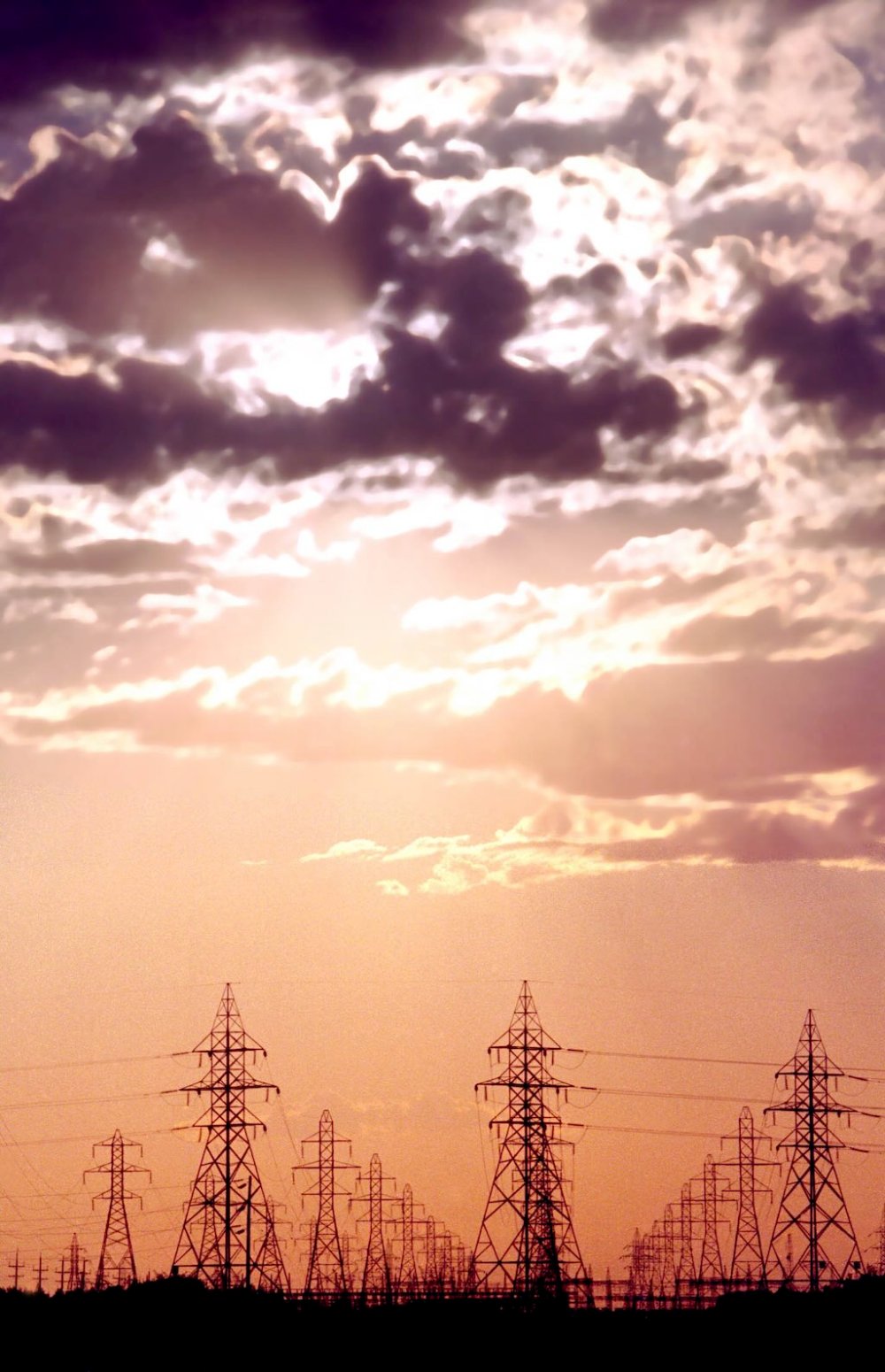
Bipole I went into operation in 1971 and underwent a major upgrade in 1993. Bipole II was fully completed in 1985. Currently, the converter stations that are essential for the transmission of power to the south are well past their life expectancy.
Given the long distances the electricity must travel, converter stations are needed to convert alternating current (AC) that comes from the generating stations to direct current (DC) for transmission to reduce the amount of electricity lost during transmission. When the electricity reaches the other end of the transmission line, it is converted back to AC.
In most instances, the converter stations are more expensive than the cost of erecting hundreds of kilometres of transmission lines.
According to Hydro, the converter equipment normally has a life span of 35 years. Hydro currently estimates the earliest it could acquire and install new converters and connectors is between 2032 and 2037. By that time, the Bipole I converters will be 44 years old and its control mechanisms will be 65 years old, while Bipole II converters and controls will be more than 50 years old.
Although the cost estimate and electricity rate hikes could be a source of political controversy, the need for the refurbishment project should not be a cause for much disagreement between the NDP government and opposition parties.
The distance between northern generating stations and the southern region of the province, where most of the electricity is consumed, has always been a major source of concern for Hydro and the government of the day.
MIKE DEAL / FREE PRESS FILES Former Tory premier Brian Pallister called Bipole III the worst political scandal in the province’s history and spent $1 million on an in-depth review of the project.
In 1996, a huge wind storm damaged both Bipole I and II and nearly resulted in a blackout of Winnipeg. Hydro was forced to import electricity from Minnesota while both transmission lines were being repaired.
Ultimately, that event became the motivation for the construction of Bipole III. Again, the need for the project was never really questioned; the cost and management of it by the then-NDP government of Gary Doer sparked years of political conflict.
The final cost was nearly three times the initial estimate and the project was afflicted by numerous delays and mismanagement.
Former Tory premier Brian Pallister called Bipole III the worst political scandal in the province’s history, and spent $1 million to have former Saskatchewan premier Brad Wall, a Tory, conduct an in-depth review. The Wall review did not reveal new details about the project.
The big question facing Hydro, and successive provincial governments of both political stripes, is why the HVDC project was delayed.
By all accounts, Hydro has been planning for decades to replace essential equipment at both ends of the transmission lines. However, documents available at the PUB and legislative committee meetings show it was not discussed in detail until about 2016. An engineering report released by Hydro in 2019 fully explored the danger of pushing the equipment too far beyond its normal life span.
The 2026-28 general rate application, now before the PUB, is the most detailed description yet of the need for, and cost of, replacing transmission converters and connectors.

Manitoba is known throughout the energy world for technology that has allowed electricity to be transmitted via high-voltage direct current lines over extremely long distances. Bipole I (895 kilometres) and II (937 kilometres) run from the northern Radisson and Henday converter stations near Gillam, down to the Dorsey converter station just northwest of Winnipeg.
Bipole III is much longer at 1,400 kilometres, starting at the Keewatinohk converter station near Gillam and ending at the Riel converter station east of Winnipeg.
However, in its most recent submission, Hydro noted that Manitoba currently operates the oldest HVDC transmission system in the world.
dan.lett@freepress.mb.ca

Dan Lett is a columnist for the Free Press, providing opinion and commentary on politics in Winnipeg and beyond. Born and raised in Toronto, Dan joined the Free Press in 1986. Read more about Dan.
Dan’s columns are built on facts and reactions, but offer his personal views through arguments and analysis. The Free Press’ editing team reviews Dan’s columns before they are posted online or published in print — part of the our tradition, since 1872, of producing reliable independent journalism. Read more about Free Press’s history and mandate, and learn how our newsroom operates.
Our newsroom depends on a growing audience of readers to power our journalism. If you are not a paid reader, please consider becoming a subscriber.
Our newsroom depends on its audience of readers to power our journalism. Thank you for your support.
Related Articles
Figures suggest six-figure payout for former Manitoba Hydro CEO