‘Fear-mongering’ plagues efforts on homelessness
Read this article for free:
or
Already have an account? Log in here »
To continue reading, please subscribe:

Digital Subscription
One year of digital access for only $205*
- Enjoy unlimited reading on winnipegfreepress.com
- Read the E-Edition, our digital replica newspaper
- Access News Break, our award-winning app
- Play interactive puzzles
*First annual payment billed as $205.00 + GST for one year. This annual subscription will automatically renew at $233.00 + GST every 52 weeks (10% off the regular annual price of $259.35). Offer available to new and qualified returning subscribers only. Cancel any time.
To continue reading, please subscribe:
Add Free Press access to your Brandon Sun subscription for only an additional
$1 for the first 4 weeks*
- Enjoy unlimited reading on winnipegfreepress.com
- Read the E-Edition, our digital replica newspaper
- Access News Break, our award-winning app
- Play interactive puzzles
*Your next Brandon Sun subscription payment will increase by $1.00 and you will be charged $17.95 plus GST for four weeks. After four weeks, your payment will increase to $24.95 plus GST every four weeks.
Read unlimited articles for free today:
or
Already have an account? Log in here »
Hey there, time traveller!
This article was published 03/09/2025 (408 days ago), so information in it may no longer be current.
Warnings about homeless people and crime — countered by allegations of “un-neighbourly fear-mongering” — are being levelled as the city attempts to build supportive housing units in five Winnipeg neighbourhoods.
Uncertainty over who will occupy the units and what resources will be available to them is stoking concern among some residents living near the proposed developments, believes Coun. John Orlikow.
The River Heights-Fort Garry councillor said he, too, has questions.
“I’m still trying to work with the province to figure out what kind of assurances they can give residents that there will be the proper support services,” Orlikow said Wednesday.
MIKAELA MACKENZIE / FREE PRESS FILES River Heights-Fort Garry councillor, John Orlikow: "We all have to chip in — every neighbourhood."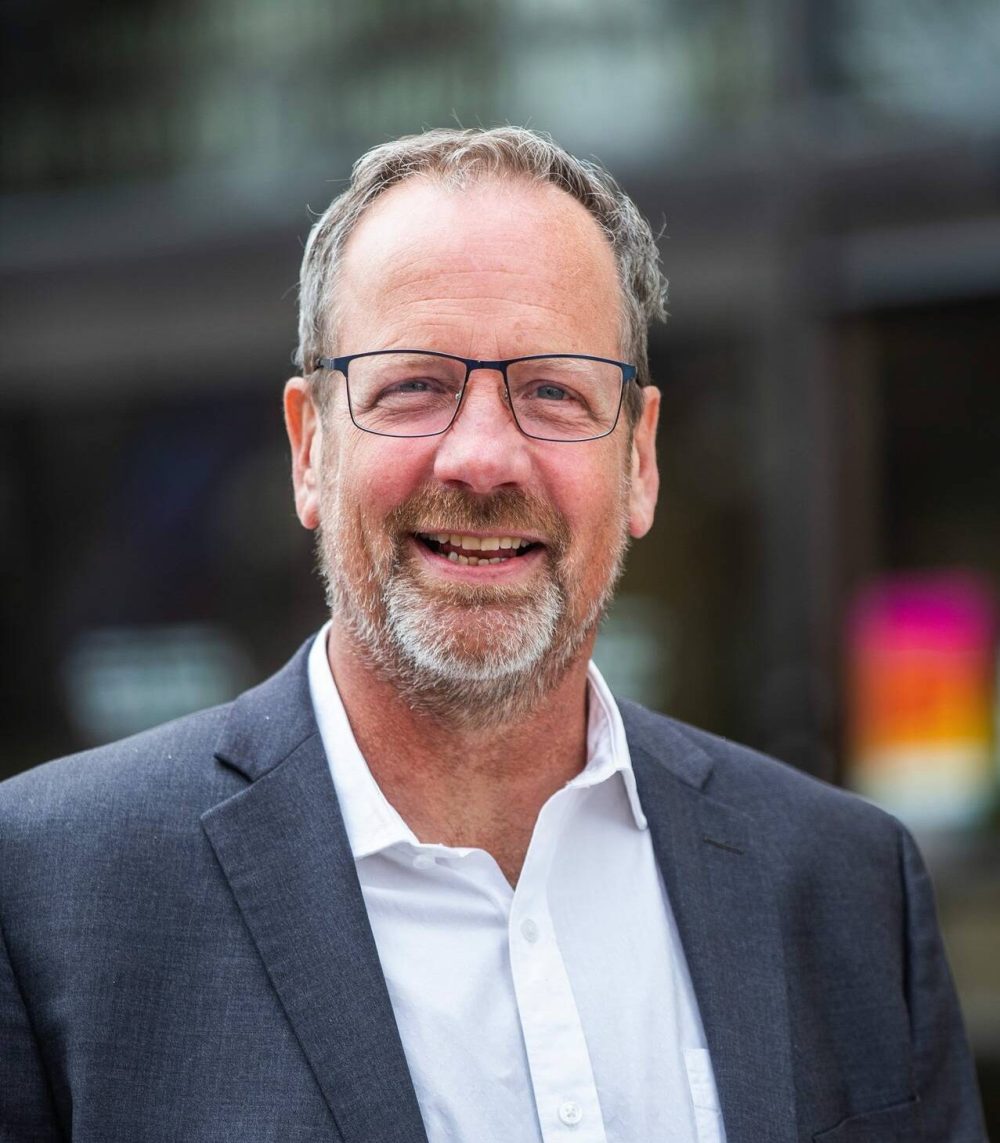
“Most people, they understand the need for it, they are just concerned…. They want to have some assurances it will be safe.”
The supportive housing proposal, announced by the city last month, has identified five potential locations in the River Heights-Fort Garry, Old Kildonan, Transcona, Mynarski and Daniel McIntyre wards.
The city said each building would feature between 15 and 25 units reserved for refugees, people leaving hospital, youth exiting care, people from encampments and those at risk of gender-based violence or who require residential care for mental-health challenges.
The plan involves a partnership between the province and non-profit organizations, who will provide staff 24-7 to respond to emergencies, manage health needs, help residents build daily living skills and connect them with community services.
The province will choose which demographic will stay at each site, according to city messaging
In River Heights, concerns over who might occupy a proposed development at 75 Poseidon Bay led somebody to distribute leaflets raising alarm, Orlikow said.
“I think a little is coming from fear,” he said. “I understand the residents’ concerns, but we also understand that there is a real big problem going on and we all have to chip in — every neighbourhood.”
“Most people, they understand the need for it, they are just concerned…. They want to have some assurances it will be safe.”
The leaflets, which were delivered after the city announcement, suggest the municipal and provincial governments plan “to move the people from homeless encampments” into the neighbourhood.
“As you may be aware, many of these encampments are known for criminal activity, drug addictions and profound mental illness,” read the flyers, which were not attributed to any group or individual.
They urge recipients to “voice their concerns to elected representatives.”
Colin Fast, a spokesperson for Mayor Scott Gillingham, said the mayor’s office would not comment on the flyers.
“We don’t comment on anonymous misinformation flyers. If residents would like accurate information about these proposals, it’s available at the public information sessions or on the city’s website,” Fast said in an email.
The proposed development in River Heights envisions a four-storey building with 20 to 25 units, replacing a parking-lot recycling depot on Poseidon at Taylor Avenue, the city has said.

Orlikow said it is not yet clear which population the building would serve, and he urged his constituents not to rush to conclusions. He said he has reached out to municipal and provincial leaders for more information.
A city report, expected to arrive Friday, may have some of the answers people are looking for, Orlikow said.
A provincial spokesperson said it is too early to comment on the resources that will be available as part of the supportive housing plan.
“The City of Winnipeg is conducting public information sessions,” the spokesperson said in an email.
“We look forward to reviewing the information following these consultations. We are committed to working with our partners at the city to ensure all Manitobans have a dignified place to call home and feel safe in their communities.”
The city organized information sessions at the Transcona East End Community Centre Tuesday and the Cindy Klassen Recreation Complex Wednesday to answer questions about the proposal. A third session at the Bill and Helen Norrie Library — on Poseidon at Grant Avenue — is scheduled Thursday.
MIKAELA MACKENZIE / FREE PRESS Spokesperson for housing advocacy group Yes In My Back Yard Winnipeg, Dylon Martin: “I just find that very un-neighbourly, very nasty and not something that I want our Winnipeg to be about.”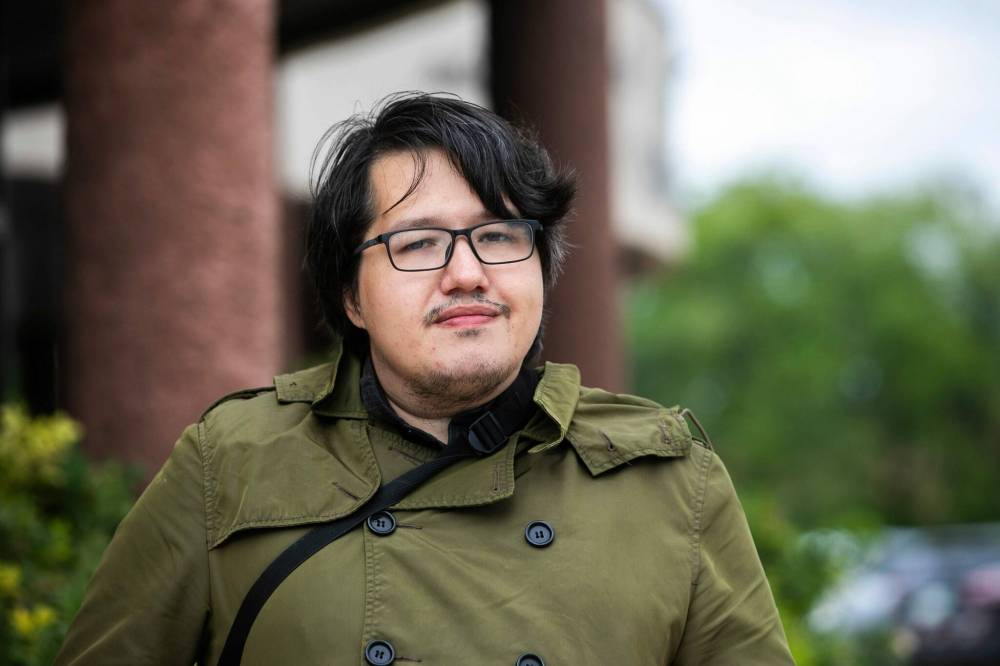
Dylon Martin, spokesperson for housing advocacy group Yes In My Back Yard Winnipeg, said some people in Winnipeg have a “reflexive antipathy toward change,” which can colour their view of proposed developments — particularly those involving affordable, infill or supportive housing.
“I think there is a section of the public that has some misapprehensions about marginalized groups,” Martin said. “There are a lot of people with a lot of challenges to housing that may need some additional support, and supportive housing does that. It is deeply needed in the city.”
Pushing back against supportive housing creates blockades for marginalized communities, he said, adding that without help, people can find themselves homeless and alone, driving them into encampments and creating worse conditions for everybody.
MIKE DEAL / FREE PRESS FILES Main Street Project executive director Jamil Mahmood says supportive housing is the key to ending chronic homelessness in Winnipeg.
“They are fear-mongering about stuff,” Martin said of the River Heights flyers. “I just find that very un-neighbourly, very nasty and not something that I want our Winnipeg to be about.”
Main Street Project executive director Jamil Mahmood acknowledged some people have concerns about supportive housing, but said it is “the key to ending chronic homelessness in Winnipeg.”
“Supportive housing works in keeping people housed by developing trusting relationships that include wraparound supports, where people feel like they are part of a community and can take the necessary steps to build a life for themselves with long-term stability and well-being,” he said in a statement.
Main Street Project operates Mainstay, a supportive housing facility and program on Sargent Avenue.
“(We) would be happy to meet with any groups from these neighbourhoods and the new housing providers to support what we have learned from moving into new communities and what work can be done in advance to ensure the community feels supported and connected to their new neighbours,” he said.
A public hearing on the proposal is scheduled to take place Sept. 12, during which people can register to share their views on the record.
tyler.searle@freepress.mb.ca

Tyler Searle is a multimedia producer who writes for the Free Press’s city desk. A graduate of Red River College Polytechnic’s creative communications program, he wrote for the Stonewall Teulon Tribune, Selkirk Record and Express Weekly News before joining the paper in 2022. Read more about Tyler.
Every piece of reporting Tyler produces is reviewed by an editing team before it is posted online or published in print — part of the Free Press‘s tradition, since 1872, of producing reliable independent journalism. Read more about Free Press’s history and mandate, and learn how our newsroom operates.
Our newsroom depends on a growing audience of readers to power our journalism. If you are not a paid reader, please consider becoming a subscriber.
Our newsroom depends on its audience of readers to power our journalism. Thank you for your support.
Related Articles
Main Street Project’s low-barrier Mainstay transitional housing is helping to get people off the street into a dignified, supportive place to live