

Winnipeg MP, Ontario senator take aim at about-to-open detox centre

Advertisement
Read this article for free:
or
Already have an account? Log in here »
To continue reading, please subscribe:
Digital Subscription
One year of digital access for only $1.44 a week*
- Enjoy unlimited reading on winnipegfreepress.com
- Read the E-Edition, our digital replica newspaper
- Access News Break, our award-winning app
- Play interactive puzzles
*Billed as $5.77 plus GST every four weeks. After 52 weeks, price increases to the regular rate of $19.95 plus GST every four weeks. Offer available to new and qualified returning subscribers only. Cancel any time.
To continue reading, please subscribe:
Add Free Press access to your Brandon Sun subscription for only an additional
$1 for the first 4 weeks*
- Enjoy unlimited reading on winnipegfreepress.com
- Read the E-Edition, our digital replica newspaper
- Access News Break, our award-winning app
- Play interactive puzzles
*Your next Brandon Sun subscription payment will increase by $1.00 and you will be charged $17.95 plus GST for four weeks. After four weeks, your payment will increase to $24.95 plus GST every four weeks.
Read unlimited articles for free today:
or
Already have an account? Log in here »
Hey there, time traveller!
This article was published 01/12/2025 (323 days ago), so information in it may no longer be current.
The province says a 72-hour protective care centre for people in prolonged drug psychosis is ready to begin receiving detainees.
But an NDP member of Parliament who lives nearby says she’s concerned about the way detainees will be treated, and isn’t convinced the facility at 190 Disraeli Fwy. will effectively deal with Winnipeg’s methamphetamine crisis when it begins operations Tuesday.
“I live downtown,” Winnipeg Centre MP Leah Gazan said Monday. “We’ve had more foot patrols than ever. Things are getting worse.
MIKAELA MACKENZIE / FREE PRESS FILES
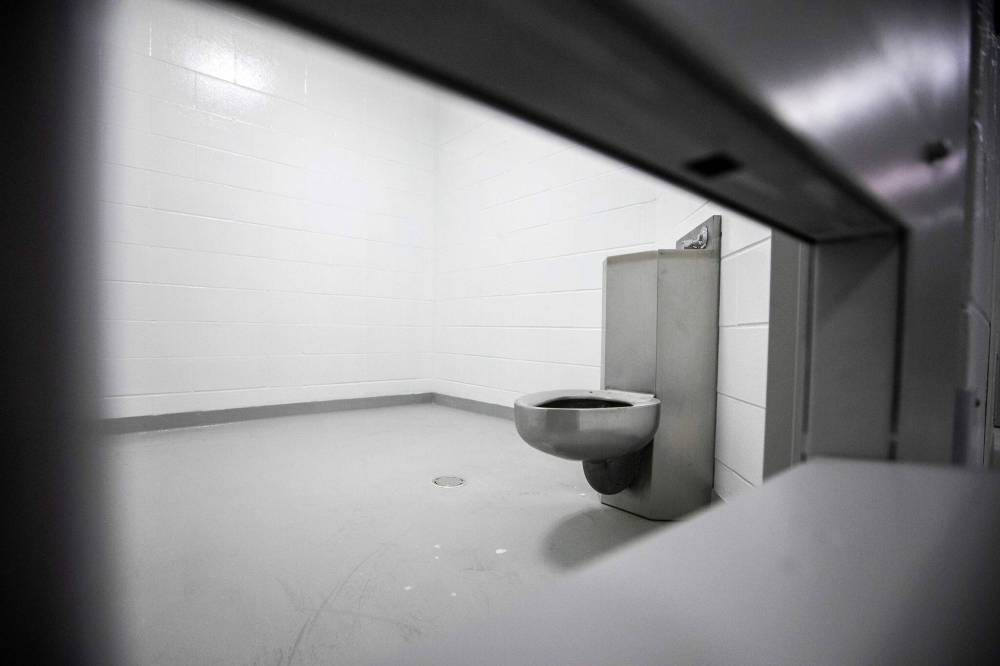
A room inside the detox facility.
“We need to take a public health response, otherwise we’re not going to see a difference in our community.”
Last month, Manitoba’s NDP government passed Bill 48, the Protective Detention and Care of Intoxicated Persons Act, which expands the maximum detention period for highly intoxicated individuals from 24 hours to up to 72 hours. The legislation replaces the former Intoxicated Persons Detention Act.
Gazan said she’s seen media reports about the 20-unit protective care facility for people experiencing drug psychosis who are considered a risk to public safety or themselves.
The province spent $3.7 million to purchase the building in Point Douglas and $5 million to renovate it.
She peeked in the window of the facility over the weekend with Ontario Sen. Kim Pate, a prisoners’ rights advocate Gazan invited to Winnipeg.
Pate told the Free Press she has concerns detainees will be denied due process and the right to a lawyer.
Gazan had a similar take.
“It certainly looks like a jail,” she said, comparing the units to “solitary confinement cells in jail.”
The inner-city MP said she would rather see the province spend money on addiction treatment and mental-health supports than a detention facility.
“I don’t think the intentions are bad, but I do have concerns that it’s not compliant with the Canadian Charter, or compliant with the Mental Health Act,” Gazan said Monday.
Canada’s Charter of Rights and Freedoms includes an assurance that people have a right to access legal advice when they’re detained, she said.
“As a legislator, I’m bound by the rule of law, and that means upholding the Constitution and the Charter,” she said. “And I’m not convinced that this is Charter-compliant.”
Premier Wab Kinew said Monday that experts in addictions medicine helped design the facility.
MIKE DEAL / FREE PRESS FILES
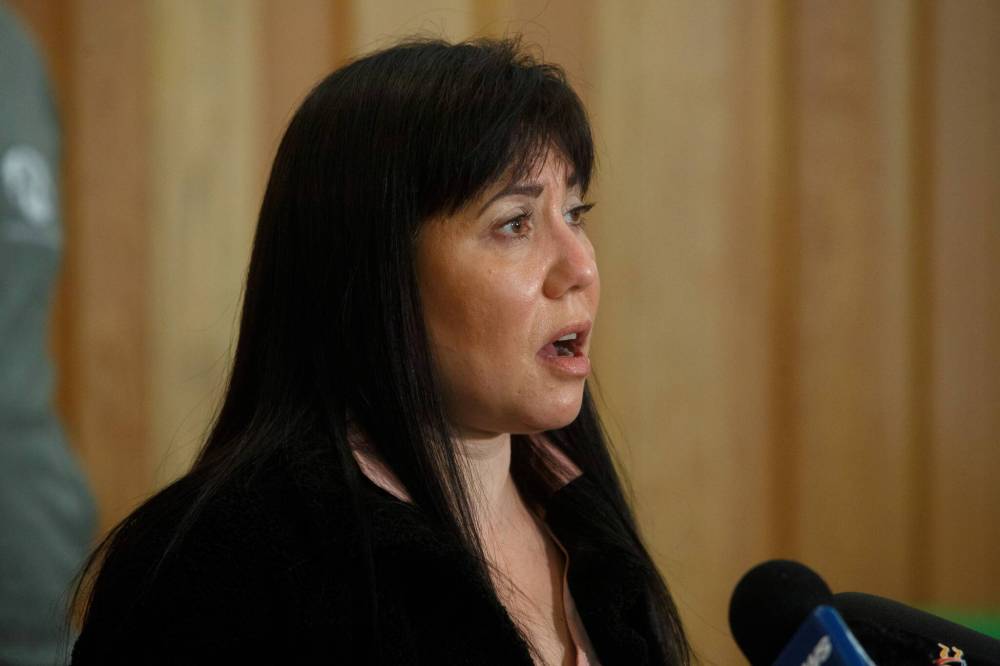
“It certainly looks like a jail,” Winnipeg Centre MP Leah Gazan said of the province's detox facility.“This is health care for people who are not in a position to care for themselves and who are quite often causing problems in our community,” Kinew said at an unrelated event.
“We have a moral responsibility to help them, as well as to help the broader community.”
He suggested critics of the facility need to see what the “drunk-tank” it’s replacing looks like.
“It’s a dungeon. There’s no senators or no outcry talking about where we currently take intoxicated people. So we’ve been turning to the experts and they’re helping us,” Kinew said when asked about the senator’s criticism.
“We’re politicians, for sure criticize us, but we have a responsibility to keep the community safe. That includes the people who are going to be offered care in this facility. And we are going to live up to that responsibility because safety is paramount.”

Gazan said she supports “safe sobering sites” rather than the type of detention facility the province has opened.
“There is zero evidence that proves that this model will be beneficial to anybody,” she said.
“Putting people away for 72 hours so that they can come out and use again — we’re not going to see any substantial change. We need to invest that money into housing, detox treatment, education, mental-health support and better supports for organizations who are on the front lines of dealing with this issue.”
— With files from Chris Kitching
carol.sanders@freepress.mb.ca
Carol Sanders
Legislature reporter
Carol Sanders is a reporter at the Free Press legislature bureau. The former general assignment reporter and copy editor joined the paper in 1997. Read more about Carol.
Every piece of reporting Carol produces is reviewed by an editing team before it is posted online or published in print — part of the Free Press‘s tradition, since 1872, of producing reliable independent journalism. Read more about Free Press’s history and mandate, and learn how our newsroom operates.
Our newsroom depends on a growing audience of readers to power our journalism. If you are not a paid reader, please consider becoming a subscriber.
Our newsroom depends on its audience of readers to power our journalism. Thank you for your support.
Carol Sanders
Legislature reporter
Carol Sanders is a reporter at the Free Press legislature bureau. The former general assignment reporter and copy editor joined the paper in 1997. Read more about Carol.
Every piece of reporting Carol produces is reviewed by an editing team before it is posted online or published in print — part of the Free Press‘s tradition, since 1872, of producing reliable independent journalism. Read more about Free Press’s history and mandate, and learn how our newsroom operates.
Our newsroom depends on a growing audience of readers to power our journalism. If you are not a paid reader, please consider becoming a subscriber.
Our newsroom depends on its audience of readers to power our journalism. Thank you for your support.
Related Articles
Senator predicts court challenge for Winnipeg detox centre







Advertisement Advertise With Us
Advertisement Advertise With Us