

Cyberattack disrupts France’s postal service and banking during Christmas rush
Advertisement
Read this article for free:
or
Already have an account? Log in here »
To continue reading, please subscribe:

Digital Subscription
One year of digital access for only $205*
- Enjoy unlimited reading on winnipegfreepress.com
- Read the E-Edition, our digital replica newspaper
- Access News Break, our award-winning app
- Play interactive puzzles
*First annual payment billed as $205.00 + GST for one year. This annual subscription will automatically renew at $233.00 + GST every 52 weeks (10% off the regular annual price of $259.35). Offer available to new and qualified returning subscribers only. Cancel any time.
To continue reading, please subscribe:
Add Free Press access to your Brandon Sun subscription for only an additional
$1 for the first 4 weeks*
- Enjoy unlimited reading on winnipegfreepress.com
- Read the E-Edition, our digital replica newspaper
- Access News Break, our award-winning app
- Play interactive puzzles
*Your next Brandon Sun subscription payment will increase by $1.00 and you will be charged $17.95 plus GST for four weeks. After four weeks, your payment will increase to $24.95 plus GST every four weeks.
Read unlimited articles for free today:
or
Already have an account? Log in here »
Hey there, time traveller!
This article was published 22/12/2025 (280 days ago), so information in it may no longer be current.
PARIS (AP) — With just three days to go before Christmas, a cyberattack knocked France’s national postal service offline Monday, blocking and delaying package deliveries and online payments.
The timing was miserable for millions of people at the height of the Christmas season, as frazzled postal workers fended off frustrated customers.
No one immediately claimed responsibility, but suspicions abounded.
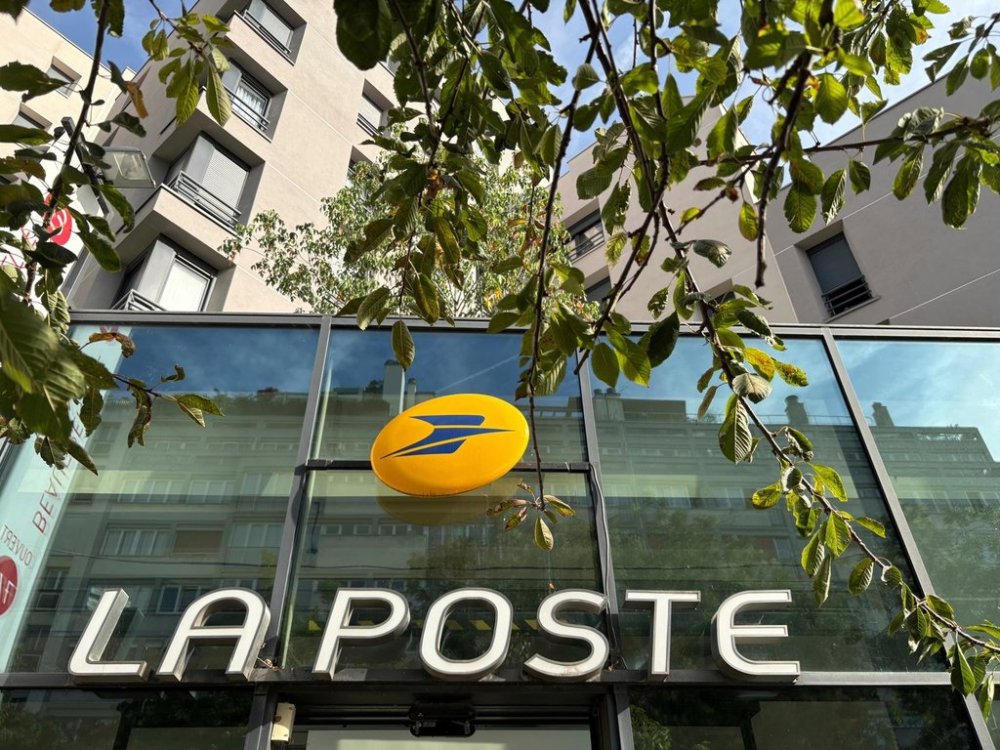
At a post office in southern Paris, usually bustling this time of year, workers questioned whether the attack could be linked to Russia. Or a disgruntled customer, or colleague.
Officials didn’t comment on the culprit. Paris prosecutors were examining the case.
What the postal service La Poste called a ‘’major network incident” remained unresolved by Monday evening, more than eight hours after it was first reported. For a company that delivered 2.6 billion packages last year and employs more than 200,000 people, that’s a big hit.
La Poste said in a statement that a distributed denial of service incident, or DDoS, “rendered its online services inaccessible.” It said the incident had no impact on customer data, but disrupted package delivery.
Letters, including holiday greeting cards, could still be mailed and delivered. But transactions requiring tracking or access to the postal service internal computer systems were impossible.
The cyberattack also hurt online banking. Customers of the company’s banking arm, La Banque Postale, were blocked from using the application to approve payments or conduct other banking services. The bank redirected approvals to text messages instead.
“Our teams are mobilized to resolve the situation quickly,” the bank said in messages posted on social networks.
The disruption came a week after France’s government was targeted by a cyberattack that targeted the Interior Ministry, in charge of national security.
In that incident, a suspected hacker extracted a few dozen sensitive files and obtained access to data relating to police records and wanted persons, Interior Minister Laurent Nunez said on broadcaster France-Info. He blamed “imprudence” at the ministry for the incident. French media reported that a 22-year-old was detained.
Also last week, prosecutors said that France’s counterespionage agency is investigating a suspected cyberattack plot involving software that would have allowed remote users to control computer systems of an international passenger ferry. A Latvian crew member is in custody facing charges of having acted for an unidentified foreign power, officials said.
France and other European allies of Ukraine allege that Russia is waging “hybrid warfare” against them, using sabotage, assassinations, cyberattacks, disinformation and other hostile acts that are often hard to quickly trace back to Moscow.