

Hydro looking at incentives to reduce power usage as electricity shortage looms

Advertisement
Read this article for free:
or
Already have an account? Log in here »
To continue reading, please subscribe:

Digital Subscription
One year of digital access for only $205*
- Enjoy unlimited reading on winnipegfreepress.com
- Read the E-Edition, our digital replica newspaper
- Access News Break, our award-winning app
- Play interactive puzzles
*First annual payment billed as $205.00 + GST for one year. This annual subscription will automatically renew at $233.00 + GST every 52 weeks (10% off the regular annual price of $259.35). Offer available to new and qualified returning subscribers only. Cancel any time.
To continue reading, please subscribe:
Add Free Press access to your Brandon Sun subscription for only an additional
$1 for the first 4 weeks*
- Enjoy unlimited reading on winnipegfreepress.com
- Read the E-Edition, our digital replica newspaper
- Access News Break, our award-winning app
- Play interactive puzzles
*Your next Brandon Sun subscription payment will increase by $1.00 and you will be charged $17.95 plus GST for four weeks. After four weeks, your payment will increase to $24.95 plus GST every four weeks.
Read unlimited articles for free today:
or
Already have an account? Log in here »
Hey there, time traveller!
This article was published 03/02/2026 (217 days ago), so information in it may no longer be current.
Manitoba Hydro is eyeing incentive programs to lessen power usage during peak periods as it projects an electricity shortfall by 2030.
Discounted rates during non-peak hours could be on the table, Hydro spokesman Scott Powell said.
The Crown corporation is forecasting an electricity capacity deficit — possibly reaching 600 megawatts — by the end of 2030. It released a 10-year plan late Monday outlining ways to build capacity.
Ruth Bonneville / Free Press Files
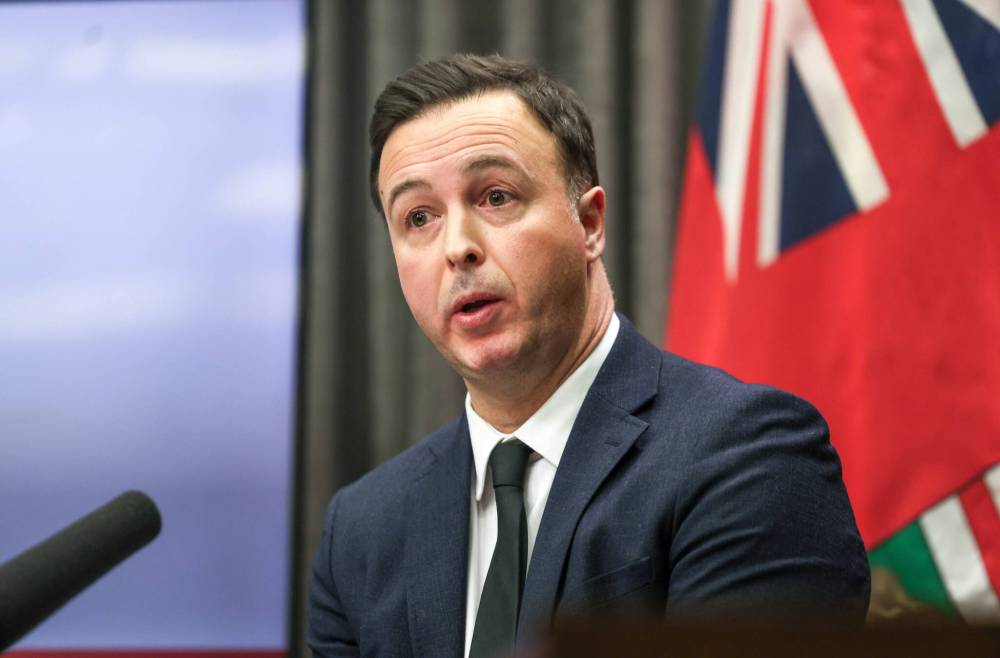
Adrien Sala, Manitoba’s minister overseeing Hydro: “carrots, rather than sticks.”
Customer-facing programs could lead to 860 megawatts of capacity added, the 2025 Integrated Resource Plan reads. Hydro is working with Efficiency Manitoba on new measures; few details were available Tuesday.
The New Democrats opposed time-of-use electricity pricing before being elected in 2023, calling it “surge pricing.” It’s a method used in other Canadian jurisdictions, including Ontario, to stagger usage.
A “carrots, rather than sticks” approach is fine, Manitoba’s minister overseeing Hydro said Tuesday.
“Broadly, we support strategies that will help to lower energy costs for Manitobans,” Adrien Sala said. “Looking at options for essentially lowering rates at non-peak times is one way to do that.”
An opt-in program would be crucial, he said.
“We would not be proceeding with any type of approach that would risk inadvertently punishing working families or increasing their energy costs.”
Rate changes would need clearance from the Public Utilities Board.
Efficiency Manitoba is planning other customer-focused demand management programs, and rollout will be “a co-operative effort” with Hydro, Powell said. Efficiency Manitoba didn’t respond to an interview request by end of day Tuesday.
Efficiency Manitoba’s 2025-26 business plan includes a residential smart thermostat pilot to launch with Manitoba Hydro in its fourth quarter. An education campaign highlighting peak demand and a commercial or industrial pilot could also be coming.
Time-of-use electricity pricing is “a controversial item,” noted Niall Harney, a Canadian Centre for Policy Alternatives senior researcher.
“It is ultimately one of the cheapest ways to expand grid capacity and manage electricity load for ratepayers in the long term.”
Manitoba Hydro is projecting a consolidated net loss of roughly $463 million for the current fiscal year.
It expects to add 750 megawatts of power through new natural-gas combustion turbines in Brandon.
The Crown corporation should be more transparent and show Manitobans that the turbines are the most cost-effective way to meet energy needs, Harney said.
The three dual-fuel combustion turbines’ build is pegged at $3 billion. The turbines are slated to come online in 2030. Before being built, Hydro must file a review to the PUB, and government must give final approval, Powell said.
The new Integrated Resource Plan “leads as a defence of fossil gas, both for electricity generation and for space heating of buildings,” said James Wilt, policy manager of Climate Action Team Manitoba.
Wind power, ground source heat pumps and battery energy storage are underestimated in the strategy, Wilt continued.
The plan forecasts 600 megawatts in new wind power by 2035. It could come sooner, Powell said.
Hydro will likely issue a request for formal proposals from Indigenous-majority owned wind projects in March. The first tranche of selected projects could come online in 2029 or 2030, Powell said.
Hydro expects to use utility scale battery storage for up to five megawatts by 2034.
Overall, the Integrated Resource Plan outlines an additional 1,760 megawatts of capacity over the next decade. It would increase the total capacity of the electric system from roughly 6,200 megawatts to 7,200.
The strategy is “a living document,” Powell said, adding Hydro will monitor the landscape.

“(The plan) really is designed to get us going, but it is a point in time.”
Manitoba Hydro shares power with the United States. Given shifting geopolitical ties and trade challenges, “borrowing electricity from elsewhere… could have its disadvantage,” said Masoud Asadzadeh, a University of Manitoba civil engineering professor.
Asadzadeh, who researches power generation in Manitoba, said Hydro appears to be “doing the right thing” with its 10-year plan.
Shaving off megawatts on the customer side is doable, but it’s dependent on which industries join in, Asadzadeh said.
gabrielle.piche@winnipegfreepress.com
Gabrielle Piché reports on business for the Free Press. She interned at the Free Press and worked for its sister outlet, Canstar Community News, before entering the business beat in 2021. Read more about Gabrielle.
Every piece of reporting Gabrielle produces is reviewed by an editing team before it is posted online or published in print — part of the Free Press‘s tradition, since 1872, of producing reliable independent journalism. Read more about Free Press’s history and mandate, and learn how our newsroom operates.
Our newsroom depends on a growing audience of readers to power our journalism. If you are not a paid reader, please consider becoming a subscriber.
Our newsroom depends on its audience of readers to power our journalism. Thank you for your support.
Gabrielle Piché reports on business for the Free Press. She interned at the Free Press and worked for its sister outlet, Canstar Community News, before entering the business beat in 2021. Read more about Gabrielle.
Every piece of reporting Gabrielle produces is reviewed by an editing team before it is posted online or published in print — part of the Free Press‘s tradition, since 1872, of producing reliable independent journalism. Read more about Free Press’s history and mandate, and learn how our newsroom operates.
Our newsroom depends on a growing audience of readers to power our journalism. If you are not a paid reader, please consider becoming a subscriber.
Our newsroom depends on its audience of readers to power our journalism. Thank you for your support.
Related Articles
Province to power up smart thermostat program, rebates

Advertisement Advertise With Us
Advertisement Advertise With Us