

Court tosses wrongful conviction suit against province filed by man jailed for Derksen’s death
Lawsuit against city remains

Advertisement
Read this article for free:
or
Already have an account? Log in here »
To continue reading, please subscribe:

Digital Subscription
One year of digital access for only $205*
- Enjoy unlimited reading on winnipegfreepress.com
- Read the E-Edition, our digital replica newspaper
- Access News Break, our award-winning app
- Play interactive puzzles
*First annual payment billed as $205.00 + GST for one year. This annual subscription will automatically renew at $233.00 + GST every 52 weeks (10% off the regular annual price of $259.35). Offer available to new and qualified returning subscribers only. Cancel any time.
To continue reading, please subscribe:
Add Free Press access to your Brandon Sun subscription for only an additional
$1 for the first 4 weeks*
- Enjoy unlimited reading on winnipegfreepress.com
- Read the E-Edition, our digital replica newspaper
- Access News Break, our award-winning app
- Play interactive puzzles
*Your next Brandon Sun subscription payment will increase by $1.00 and you will be charged $17.95 plus GST for four weeks. After four weeks, your payment will increase to $24.95 plus GST every four weeks.
Read unlimited articles for free today:
or
Already have an account? Log in here »
Manitoba’s highest court has dismissed a wrongful conviction lawsuit against the provincial government filed by the man who was acquitted of killing Candace Derksen.
Mark Grant’s lawyers filed his lawsuit in 2019, seeking $8.5 million for wrongful conviction and imprisonment from the province, the attorney general and the City of Winnipeg. The legal action against the city is slated to proceed.
Lawyers for the province unsuccessfully moved to have his claim struck in the Court of King’s Bench twice. Their third attempt, in the Court of Appeal, succeeded.
Free Press Files Mark Edward Grant was arrested in 2007 for the 1984 disappearance and death of 13-year-old Candace Derksen in Winnipeg.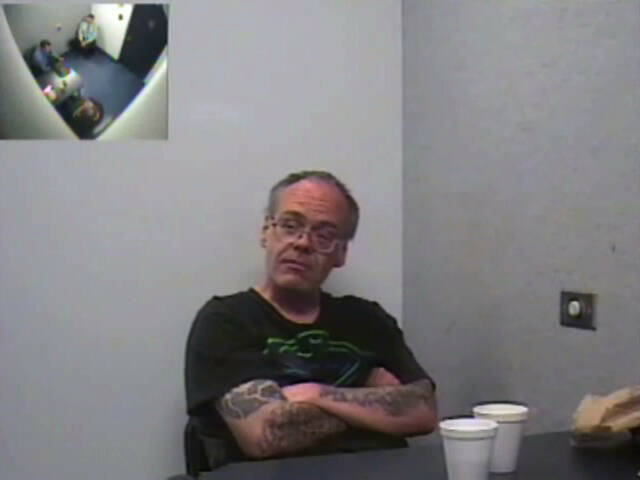
Court of Appeal Justice Christopher Mainella, writing on behalf of a panel with two other appeal court judges, threw out the claim against the provincial government and attorney general in a decision issued last week.
A King’s Bench justice ruled in 2024 that some of the issues raised by Grant’s suit, including DNA evidence, should proceed and were not an abuse of process, but struck out other portions of the claim. The government’s motion in the Court of Appeal was over that 2024 decision.
“It is plain and obvious that the plaintiff’s causes of action against the provincial defendants, as pleaded, are certain to fail,” Mainella wrote in the May 1 decision.
“The plaintiff’s pleading amounts to nothing more than second-guessing.”
“The pleading here falls far short of an allegation that could support establishing that the prosecutors in the murder case deliberately and improperly used their office for ends that were improper and inconsistent with… traditional prosecutorial functions.”
The appeal court found the King’s Bench justice made an error in law by finding Grant’s claim had properly argued he was maliciously prosecuted.
“The plaintiff’s pleading amounts to nothing more than second-guessing the decision by prosecutors to prosecute him with the benefit of hindsight, which, at law, cannot give rise to civil liability, standing alone,” wrote Mainella.
His claim against the province also included allegations of misfeasance in public office, which the appeal court ruled were “doomed to fail,” if the claim were to proceed and dismissed them. Grant’s claims of breaches of his Charter rights by the province weren’t allowed to proceed, either.
Supplied Candace Derksen was slain in 1984. Mark Grant was convicted and then acquitted in the killing.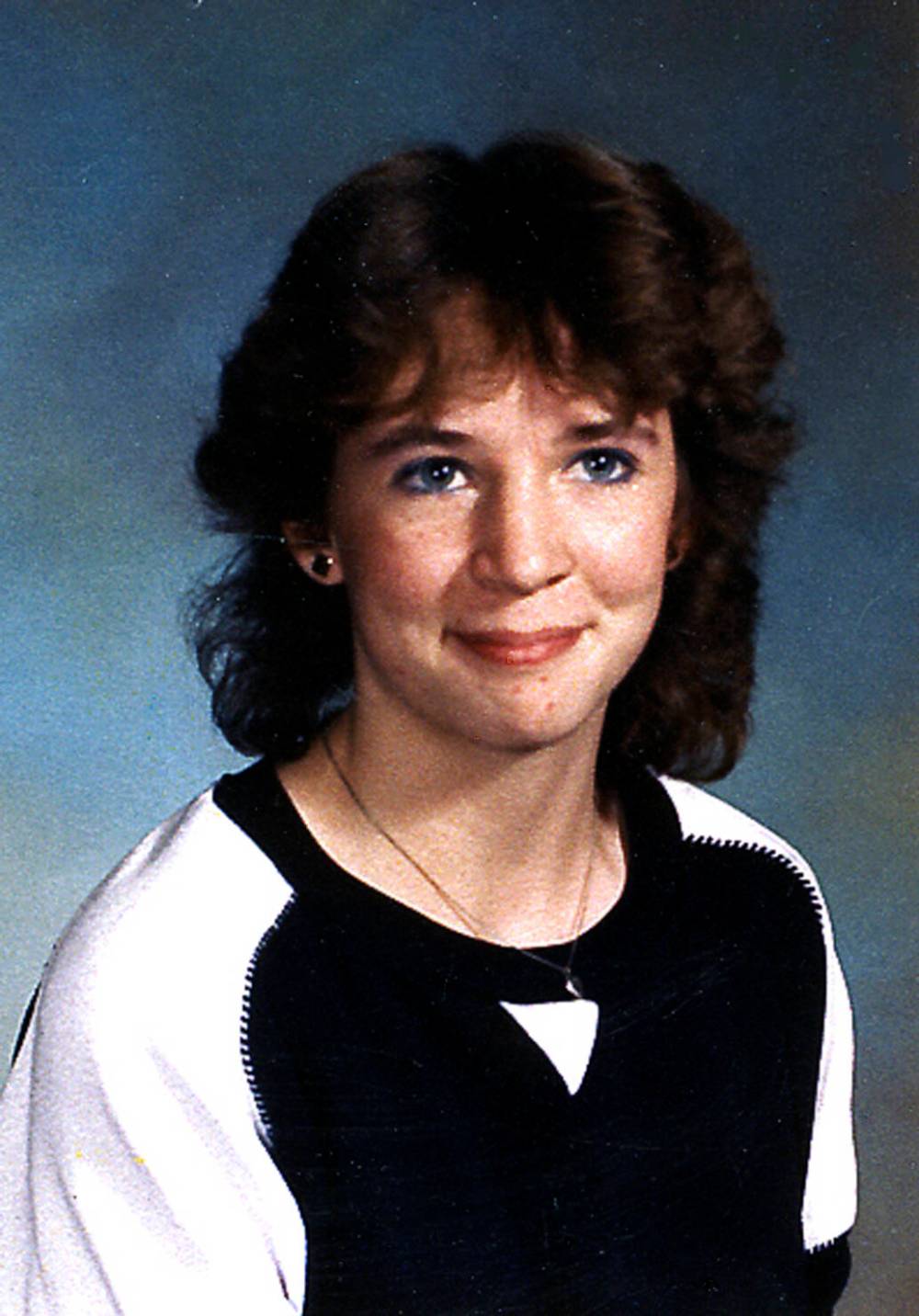
Lawrence Greenspon, one of Grant’s lawyers, said Monday that they’re considering whether to ask the Supreme Court of Canada to hear the case.
In the meantime, he said, the lawsuit will continue against police.
“This is a case of a wrongful conviction based on junk science. And the unfortunate result is that Mark, who is a vulnerable person to begin with, spent 10 years in jail for a murder that he did not commit,” Greenspon said.
The Court of Appeal ordered costs against Grant, who is now in his early 60s, and did not allow him leave to amend the claim against the provincial government.
Grant’s claim against the city remains before the Court of King’s Bench. He alleges the police investigation was negligent and that his Charter rights were breached, among other claims.
Derksen, 13, disappeared while walking home from school to her Elmwood residence on Nov. 30, 1984.
Despite an intensive search, it was six weeks before Derksen’s frozen and bound body was found inside an industrial storage shed on the other side of the Nairn Avenue overpass from her route home.
No one was arrested for decades. In 2007, Winnipeg Police Service investigators arrested Grant, saying his DNA was found on twine used to bind Derksen’s limbs.
“This is a case of a wrongful conviction based on junk science.”
Grant was found guilty of second-degree murder, but the Manitoba Court of Appeal ordered a new trial partly due to shortcomings of the DNA evidence.
Provincial justice officials appealed that decision to the Supreme Court, but a new trial was upheld.
In 2017, Grant was acquitted when a Queen’s Bench (now King’s Bench) judge determined the DNA evidence was unreliable and had no value.
He spent a decade behind bars for the girl’s killing.

Grant was arrested earlier this year by Vancouver Police Department officers over allegations that he sexually assaulted a woman in her 60s. He’s been charged with unlawful confinement, sexual assault with a weapon, assault with a weapon and uttering threats in the Jan. 8 incident.
Those charges remain before the court in B.C.
— with files from The Canadian Press
erik.pindera@freepress.mb.ca
Erik Pindera is a reporter for the Free Press, mostly focusing on crime and justice. The born-and-bred Winnipegger attended Red River College Polytechnic, wrote for the community newspaper in Kenora, Ont. and reported on television and radio in Winnipeg before joining the Free Press in 2020. Read more about Erik.
Every piece of reporting Erik produces is reviewed by an editing team before it is posted online or published in print — part of the Free Press‘s tradition, since 1872, of producing reliable independent journalism. Read more about Free Press’s history and mandate, and learn how our newsroom operates.
Our newsroom depends on a growing audience of readers to power our journalism. If you are not a paid reader, please consider becoming a subscriber.
Our newsroom depends on its audience of readers to power our journalism. Thank you for your support.
Erik Pindera is a reporter for the Free Press, mostly focusing on crime and justice. The born-and-bred Winnipegger attended Red River College Polytechnic, wrote for the community newspaper in Kenora, Ont. and reported on television and radio in Winnipeg before joining the Free Press in 2020. Read more about Erik.
Every piece of reporting Erik produces is reviewed by an editing team before it is posted online or published in print — part of the Free Press‘s tradition, since 1872, of producing reliable independent journalism. Read more about Free Press’s history and mandate, and learn how our newsroom operates.
Our newsroom depends on a growing audience of readers to power our journalism. If you are not a paid reader, please consider becoming a subscriber.
Our newsroom depends on its audience of readers to power our journalism. Thank you for your support.
Related Articles
Trial lawyer in acquittal of Candace Derksen’s accused killer hopes ‘justice system will serve him properly’ on B.C. sex-crime charges



Advertisement Advertise With Us
Advertisement Advertise With Us