Montana advances grizzly bear plans that could allow hunting
Advertisement
Read this article for free:
or
Already have an account? Log in here »
To continue reading, please subscribe:

Digital Subscription
One year of digital access for only $205*
- Enjoy unlimited reading on winnipegfreepress.com
- Read the E-Edition, our digital replica newspaper
- Access News Break, our award-winning app
- Play interactive puzzles
*First annual payment billed as $205.00 + GST for one year. This annual subscription will automatically renew at $233.00 + GST every 52 weeks (10% off the regular annual price of $259.35). Offer available to new and qualified returning subscribers only. Cancel any time.
To continue reading, please subscribe:
Add Free Press access to your Brandon Sun subscription for only an additional
$1 for the first 4 weeks*
- Enjoy unlimited reading on winnipegfreepress.com
- Read the E-Edition, our digital replica newspaper
- Access News Break, our award-winning app
- Play interactive puzzles
*Your next Brandon Sun subscription payment will increase by $1.00 and you will be charged $17.95 plus GST for four weeks. After four weeks, your payment will increase to $24.95 plus GST every four weeks.
Read unlimited articles for free today:
or
Already have an account? Log in here »
Hey there, time traveller!
This article was published 14/12/2021 (1744 days ago), so information in it may no longer be current.
BILLINGS, Mont. (AP) — Montana wildlife officials on Tuesday advanced plans that could allow grizzly bear hunting in areas around Glacier and Yellowstone national parks, if states in the U.S. northern Rockies succeed in their attempts to lift federal protections for the animals.
Grizzlies in the region have been protected as a threatened species since 1975 and were shielded from hunting for most of that time.
Montana Gov. Greg Gianforte last month announced the state intends to petition the Biden administration to lift threatened species protections for Glacier-area grizzlies. Wyoming Gov. Mark Gordon is leading a similar push to end protections for Yellowstone area bears.
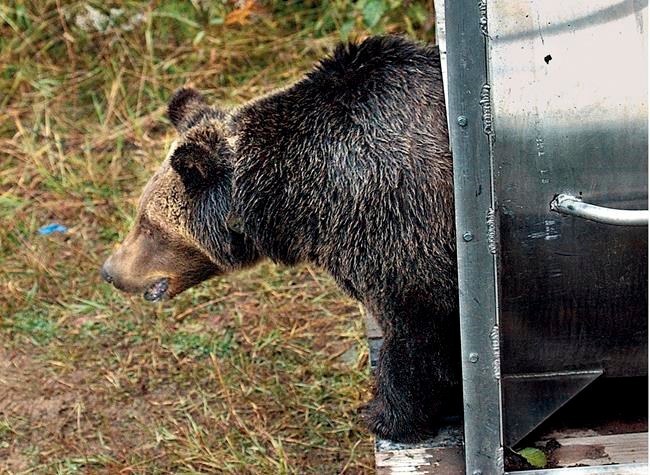
The two regions have the most bears in the U.S. outside Alaska, the only state that currently allows hunting.
As officials seek to make the case that protections are no longer needed, Montana wildlife commissioners voted to sign onto a multistate plan to maintain more than 900 bears in the Yellowstone area. Wyoming already has signed onto the plan, which would allow limited hunting. Idaho officials are expected to consider it next month.
Montana commissioners also gave preliminary approval to revisions to Glacier-area bear population targets that could allow hunting of grizzlies in northwestern portions of the state if federal protections end. The rule calls for maintaining a population of more than 800 bears.
Details on any future hunting seasons would be established at a later date.
Wildlife advocates have objected to the bid to lift protections, saying state officials in the northern Rockies are intent on driving down populations of grizzlies and another predator, gray wolves.

But state officials — backed by livestock and hunting groups — say bear populations need to be more closely controlled. They cite increasing conflicts between bears and humans, including attacks on livestock and occasional maulings of people
As many as 50,000 grizzly bears once ranged the western half of the U.S. Most were killed by hunting, trapping and habitat loss following the arrival of European settlers in the late 1800s. Populations declined to fewer than 1,000 bears in the Lower 48 states by the time they were given federal protections in 1975.
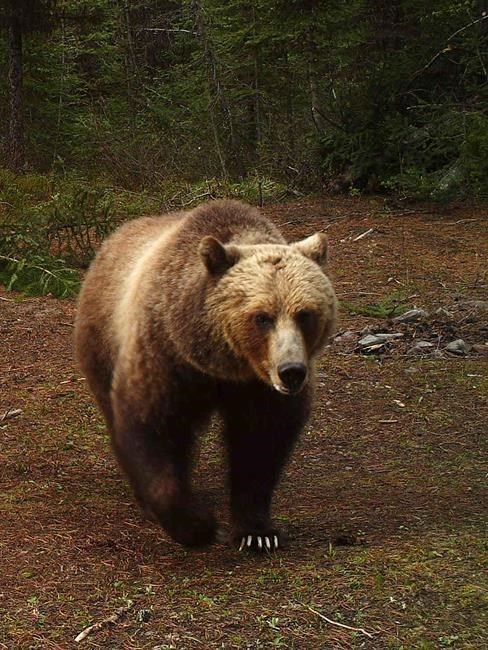
The last grizzly hunts in the U.S. outside Alaska were in the early 1990s, under an exemption to protections that allowed 14 bears to be killed each fall in Montana.
When Yellowstone grizzlies briefly lost protections under President Donald Trump’s administration, Wyoming and Idaho scheduled hunts for 22 bears in Wyoming and one in Idaho, with hunting permits offered by lottery. A federal judge stepped in at the last minute and restored protections, a decision later upheld by the 9th U.S. Circuit Court of Appeals.
The U.S. Fish and Wildlife Service recommended in March to keep threatened-species protections for grizzlies. The agency cited a lack of connections between the bears’ best areas of habitat and people killing them, among other reasons.