

Campbell regrets drunk-driving bust, HST rollout
B.C. premier prepares to leave political life
Advertisement
Read this article for free:
or
Already have an account? Log in here »
To continue reading, please subscribe:
Monthly Digital Subscription
$1 per week for 24 weeks*
- Enjoy unlimited reading on winnipegfreepress.com
- Read the E-Edition, our digital replica newspaper
- Access News Break, our award-winning app
- Play interactive puzzles
*Billed as $4.00 plus GST every four weeks. After 24 weeks, price increases to the regular rate of $19.95 plus GST every four weeks. Offer available to new and qualified returning subscribers only. Cancel any time.
Monthly Digital Subscription
$4.99/week*
- Enjoy unlimited reading on winnipegfreepress.com
- Read the E-Edition, our digital replica newspaper
- Access News Break, our award-winning app
- Play interactive puzzles
*Billed as $19.95 plus GST every four weeks. Cancel any time.
To continue reading, please subscribe:
Add Free Press access to your Brandon Sun subscription for only an additional
$1 for the first 4 weeks*
*Your next subscription payment will increase by $1.00 and you will be charged $16.99 plus GST for four weeks. After four weeks, your payment will increase to $23.99 plus GST every four weeks.
Read unlimited articles for free today:
or
Already have an account? Log in here »
Hey there, time traveller!
This article was published 19/02/2011 (5526 days ago), so information in it may no longer be current.
VICTORIA — B.C. Premier Gordon Campbell says quitting politics was his first thought after he was busted for drunk driving in 2003.
In a remarkably candid interview with The Canadian Press, Campbell relived the public scandal that saw his mug shot plastered on front pages across Canada.
As he prepares to step down as premier after a decade in the seat of power, Campbell also discussed the impacts of his early budget cuts on the government’s maligned child-protection agenda, his disappointment at making only baby steps on aboriginal issues during his tenure and his poor handling of the introduction of the harmonized sales tax, prompting his early exit.
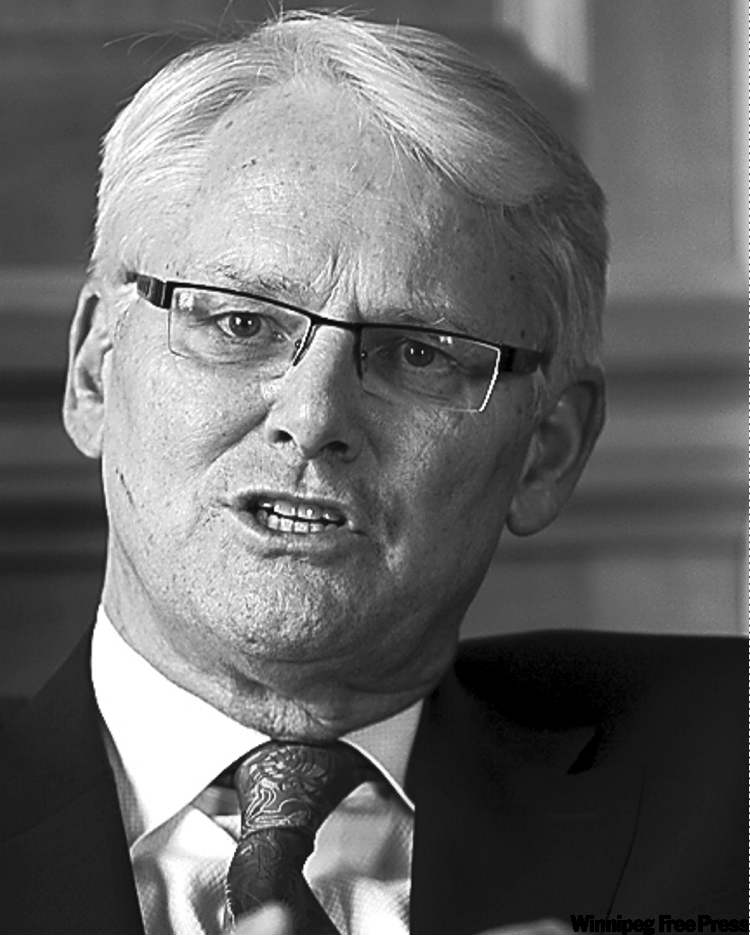
Campbell was arrested for drunk driving in Maui in January 2003. He spent the night in jail, was fingerprinted and photographed. He had been premier for only two years, but he thought of resigning.
“It’s the first thing you think about when you put yourself in that situation,” he said. “It was incredibly stupid and thoughtless…”
But Campbell said he came back to Vancouver and asked for forgiveness from British Columbians and his Liberal caucus.
“I made my apology on television,” he said. “I came back, I talked to the caucus and said to them, ‘this is up to you. I’d like to stay your leader. If you’d like me to stay your leader, let me know. If you don’t, I totally understand it,’ ” said Campbell. “They said ‘hang in there.’ “
Campbell said the response from the public was also heartwarming.
“The generosity of spirit that I had from the people of B.C., people who never knew me, who said, ‘we’ve all made mistakes, now get on with it.’ “
But seven years and three consecutive election wins later, in November 2010, the Liberal caucus and the public were no longer in a forgiving mood.
The caucus was preparing to ask Campbell to step down as leader and premier as public furor over the Liberal government’s introduction of the harmonized sales tax had plunged the Liberals to a 24 per cent approval rating. Campbell’s own approval numbers were in the single digits.
He decided to resign on his own, saying public anger directed at him was overshadowing the government.
“The HST was the right thing to do,” he said. “But I have to take responsibility for not being out and aggressively explaining the HST to people for probably the first six months after it was introduced. “We should have done a much better job of explaining it and how it happened and why it happened.”
It wasn’t the only misstep with the public, the outgoing premier admitted.
He acknowledged he and his government should have done a better job explaining its social policy agenda, especially attempts to tackle child poverty.
For six years, reports have consistently said that B.C. has had the highest rate of child poverty in Canada.
— The Canadian Press