

Convoy organizer says plans to stage a 2023 protest in Winnipeg are off
Advertisement
Read this article for free:
or
Already have an account? Log in here »
To continue reading, please subscribe:

Digital Subscription
One year of digital access for only $205*
- Enjoy unlimited reading on winnipegfreepress.com
- Read the E-Edition, our digital replica newspaper
- Access News Break, our award-winning app
- Play interactive puzzles
*First annual payment billed as $205.00 + GST for one year. This annual subscription will automatically renew at $233.00 + GST every 52 weeks (10% off the regular annual price of $259.35). Offer available to new and qualified returning subscribers only. Cancel any time.
To continue reading, please subscribe:
Add Free Press access to your Brandon Sun subscription for only an additional
$1 for the first 4 weeks*
- Enjoy unlimited reading on winnipegfreepress.com
- Read the E-Edition, our digital replica newspaper
- Access News Break, our award-winning app
- Play interactive puzzles
*Your next Brandon Sun subscription payment will increase by $1.00 and you will be charged $17.95 plus GST for four weeks. After four weeks, your payment will increase to $24.95 plus GST every four weeks.
Read unlimited articles for free today:
or
Already have an account? Log in here »
Hey there, time traveller!
This article was published 02/01/2023 (1326 days ago), so information in it may no longer be current.
OTTAWA – Freedom Convoy 2.0 appears to be a bust.
Canada Unity, one of the anti-government protest groups behind the protests that headlined much of last year, has called off its plans to restage the event in Winnipeg in February.
“The Canada Unity Official Freedom Convoy 2.0 Reunion that was scheduled for Feb. 17 to 20th, 2023, is hereby officially being issued a 10-7 ‘out of service,” James Bauder wrote in a news release posted to the group’s Facebook page.
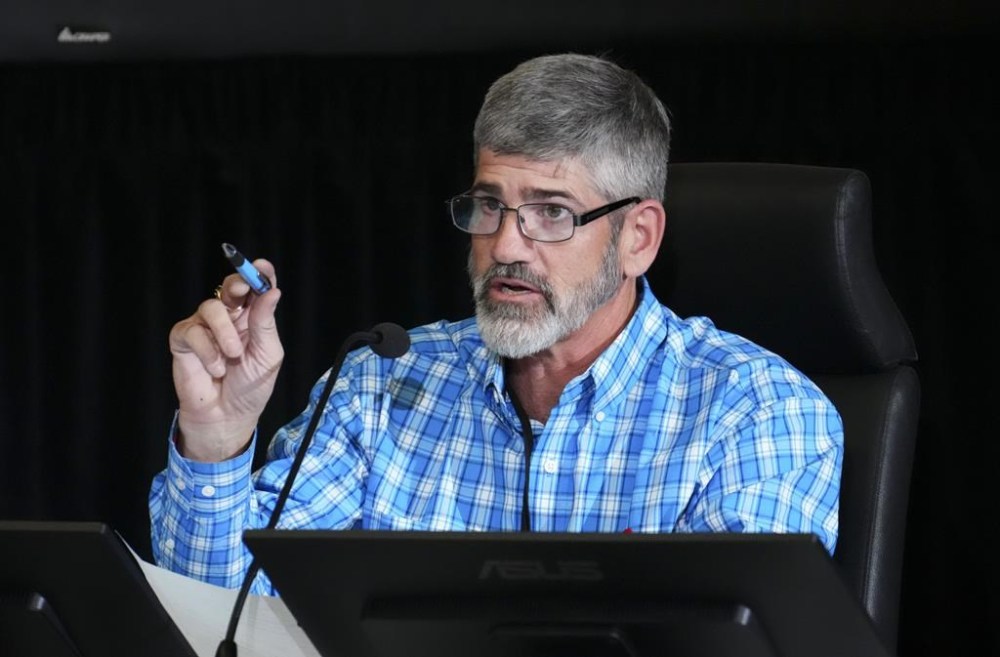
Bauder, who founded Canada Unity, said in December he would bring a four-day event back to Ottawa, staging it at an undisclosed spot outside the city and making daily trips to Parliament Hill. After police in Ottawa indicated they would have zero tolerance for such an event, Bauder said he would move it to Winnipeg instead.
He has now called that off, too.
In his Facebook post, he blamed non-specific security breaches and personal attacks.
Despite the fact the event was set to unfold in Manitoba, he said he is worried he or others could be charged under Ontario’s new Bill 100, which was passed last year after the first convoy protests. The law, dubbed the “keeping Ontario open for business act,” prohibits protests at protected transportation infrastructure, including airports and border crossings. It also allows for police to seize drivers’ licences and licence plates used in illegal blockades.
Bauder was among dozens of people arrested in February 2022 during the first convoy. He faces charges including mischief, and disobeying court orders and the police. One of his bail conditions bars him from travelling to downtown Ottawa.
The original convoy blocked several areas around Parliament Hill for three weeks. Demonstrations also shut down at least four border crossings elsewhere in the country.
The blockades resulting in the federal government’s decision to invoke the Emergencies Act for the first time.
In the weeks leading up to the first protest in Ottawa, Bauder penned a “memorandum of understanding” and tried to deliver it to Gov. Gen. Mary Simon. It asked her and all sitting senators to sign an agreement that would overthrow the government and make Simon, the senators, Bauder, his wife Sandra and one other man the formal Canadian government.
They would then order all other levels of government to end every COVID-19-related restriction and reinstate workers who were suspended or fired for not being vaccinated.
Bauder’s group later joined with others to create the convoy blockade that also affected several other parts of downtown Ottawa and some provincial legislatures.
As the events unfolded in Ottawa, Bauder did not appear to be among the main organizers or leaders.
A public inquiry that investigated the government’s decision to invoke the Emergencies Act held six weeks of public hearings in the fall, which laid bare the details of chaos and dysfunction both within the various groups organizing the protests and the police forces and governments trying to end them.
A final report from that inquiry is expected next month.
The city of Ottawa reported the policing and city services costs due to the convoy event topped $52 million. The City of Windsor, where the blockade of the Ambassador Bridge border crossing resulted in the largest economic disruptions, estimated policing costs were close to $7 million.
There are millions more in costs associated with business losses in Ottawa and Windsor, as well as for policing and economic harms in other cities and border crossings including Winnipeg, Emerson, Man., Coutts, Alta., and Surrey, B.C.
This report by The Canadian Press was first published Jan. 2, 2023.