

Ottawa pledges $362 million to provinces, cities to temporarily house asylum seekers
Advertisement
Read this article for free:
or
Already have an account? Log in here »
To continue reading, please subscribe:

Digital Subscription
One year of digital access for only $205*
- Enjoy unlimited reading on winnipegfreepress.com
- Read the E-Edition, our digital replica newspaper
- Access News Break, our award-winning app
- Play interactive puzzles
*First annual payment billed as $205.00 + GST for one year. This annual subscription will automatically renew at $233.00 + GST every 52 weeks (10% off the regular annual price of $259.35). Offer available to new and qualified returning subscribers only. Cancel any time.
To continue reading, please subscribe:
Add Free Press access to your Brandon Sun subscription for only an additional
$1 for the first 4 weeks*
- Enjoy unlimited reading on winnipegfreepress.com
- Read the E-Edition, our digital replica newspaper
- Access News Break, our award-winning app
- Play interactive puzzles
*Your next Brandon Sun subscription payment will increase by $1.00 and you will be charged $17.95 plus GST for four weeks. After four weeks, your payment will increase to $24.95 plus GST every four weeks.
Read unlimited articles for free today:
or
Already have an account? Log in here »
Hey there, time traveller!
This article was published 31/01/2024 (951 days ago), so information in it may no longer be current.
OTTAWA – The federal government is spending another $362 million to help provinces and cities find housing for asylum seekers — but Ontario says it’s nowhere near enough.
Immigration Minister Marc Miller billed the assistance Wednesday as a measure of support against the growing impact of asylum claims across Canada.
But he, too, acknowledged that a lot more must be done.
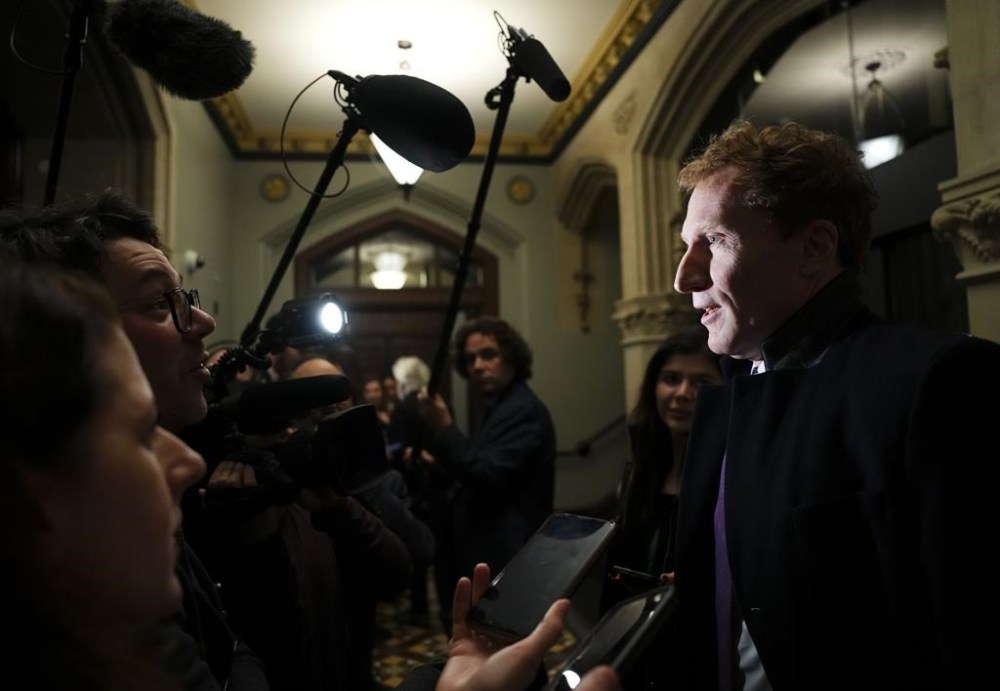
“This program is important because it gets shelters over people’s heads, particularly with the temperature that it is outside,” Miller said.
“But it needs reform, and that’s something that will have to be worked on … in the coming months.”
Housing and support for asylum seekers are the responsibility of provincial and municipal governments, but Ottawa has already offered multiple top-up payments like this one to ease the load.
More substantive change is needed, Miller said.
“I think we owe it to Canadians to reform a system that has very much been a stopgap measure since 2017 to deal with large historic flows of migration.”
As of last week, about 7,300 asylum claimants in need of housing were staying in 4,000 hotel rooms in six provinces, Miller said.
Of the new money, he said $100 million will go to Quebec.
He wouldn’t offer details on how the rest of the money will be distributed, but said Toronto will get a “significant amount.”
That could be the whole sum and still wouldn’t be enough, complained Paul Calandra, Ontario’s minister of municipal affairs and housing.
It “doesn’t cover the needs of Toronto, let alone all the other municipalities facing the same pressures due to the increased numbers of asylum claimants,” he said in a joint statement with Immigration Minister David Piccini.
“The federal government needs to take responsibility for the crisis it created and provide the necessary funding to address it.”
The pressure is typically greatest in big cities like Montreal and Toronto, where migrants often begin their job search and seek out existing ethnic communities.
The system as it stands is “not perfect,” and not a long-term solution, Miller said.
“But it’s something we have to do.”
This report by The Canadian Press was first published Jan. 31, 2024.
Note to readers: This is a corrected story. A previous version incorrectly spelled Marc Miller’s first name.