

Stall and crash in plane in B.C. renews safety board call to Transport Canada
Advertisement
Read this article for free:
or
Already have an account? Log in here »
To continue reading, please subscribe:

Digital Subscription
One year of digital access for only $205*
- Enjoy unlimited reading on winnipegfreepress.com
- Read the E-Edition, our digital replica newspaper
- Access News Break, our award-winning app
- Play interactive puzzles
*First annual payment billed as $205.00 + GST for one year. This annual subscription will automatically renew at $233.00 + GST every 52 weeks (10% off the regular annual price of $259.35). Offer available to new and qualified returning subscribers only. Cancel any time.
To continue reading, please subscribe:
Add Free Press access to your Brandon Sun subscription for only an additional
$1 for the first 4 weeks*
- Enjoy unlimited reading on winnipegfreepress.com
- Read the E-Edition, our digital replica newspaper
- Access News Break, our award-winning app
- Play interactive puzzles
*Your next Brandon Sun subscription payment will increase by $1.00 and you will be charged $17.95 plus GST for four weeks. After four weeks, your payment will increase to $24.95 plus GST every four weeks.
Read unlimited articles for free today:
or
Already have an account? Log in here »
Hey there, time traveller!
This article was published 22/07/2024 (774 days ago), so information in it may no longer be current.
RICHMOND, B.C. – A crash of an Air Nootka De Havilland plane on Vancouver Island last year has reopened a debate between the Transportation Safety Board and the federal government over stall warning systems.
The pilot who was the only person on board was seriously injured when his plane stalled and crashed into thick forest while attempting to land near Gold River, B.C.
A Transportation Safety Board report says there are a few aircraft types still in commercial operation that don’t have stall warning systems, including the De Havilland DHC-2.
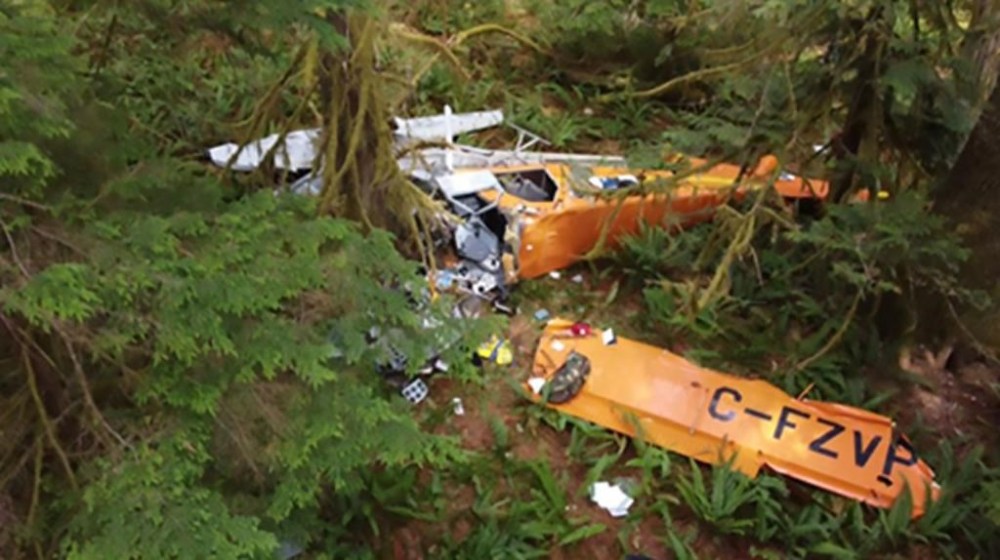
The Air Nootka plane didn’t have a warning system, and the report says that since 1998 it has investigated 17 De Havilland’s stalling and crashing, resulting in at least 38 deaths.
It says it recommended to Transport Canada in 2017 that all of the commercially operated planes be equipped with stall warning systems, but the government said it would not make that requirement.
The safety board says it doesn’t agree with Transport Canada’s conclusion that even with the warning system installed, when a stall occurs the pilot has little to no time to react and recover.
The safety board’s report says a warning system is one of the last lines of defence against accidental stall.
“To reduce the risk of losing control of an aircraft, the pilot must have an immediate, clear indication of an impending stall,” the report says.
It says that until Transport Canada brings in new measures to address the risks of stall-related accidents, the board believes the risks from the safety deficiency remain.
The safety message in the report says planes originally certified without stall warning systems can benefit from aftermarket systems.
“Stall warning systems can reduce the risks pilots face when flying manoeuvres at higher angles of attack, such as arrivals and departures,” the report concludes.
This report by The Canadian Press was first published July 22, 2024.