

Research crucial to stop parasite from destroying P.E.I. oyster industry: minister
Advertisement
Read this article for free:
or
Already have an account? Log in here »
To continue reading, please subscribe:

Digital Subscription
One year of digital access for only $205*
- Enjoy unlimited reading on winnipegfreepress.com
- Read the E-Edition, our digital replica newspaper
- Access News Break, our award-winning app
- Play interactive puzzles
*First annual payment billed as $205.00 + GST for one year. This annual subscription will automatically renew at $233.00 + GST every 52 weeks (10% off the regular annual price of $259.35). Offer available to new and qualified returning subscribers only. Cancel any time.
To continue reading, please subscribe:
Add Free Press access to your Brandon Sun subscription for only an additional
$1 for the first 4 weeks*
- Enjoy unlimited reading on winnipegfreepress.com
- Read the E-Edition, our digital replica newspaper
- Access News Break, our award-winning app
- Play interactive puzzles
*Your next Brandon Sun subscription payment will increase by $1.00 and you will be charged $17.95 plus GST for four weeks. After four weeks, your payment will increase to $24.95 plus GST every four weeks.
Read unlimited articles for free today:
or
Already have an account? Log in here »
Hey there, time traveller!
This article was published 15/08/2024 (768 days ago), so information in it may no longer be current.
CHARLOTTETOWN – Prince Edward Island’s fisheries minister says he hopes recently announced federal funding can help develop oysters that are resistant to a parasite that is threatening a fishery vital to the province.
The federal Fisheries Department this week committed up to $1 million over the next two years to study the parasite called multinucleate sphere X — or MSX — identified for the first time in Prince Edward Island oysters last month.
Cory Deagle, the P.E.I. minister, told a news conference today at the conclusion of a meeting with counterparts from across the country that the parasite could destroy the province’s oyster industry.
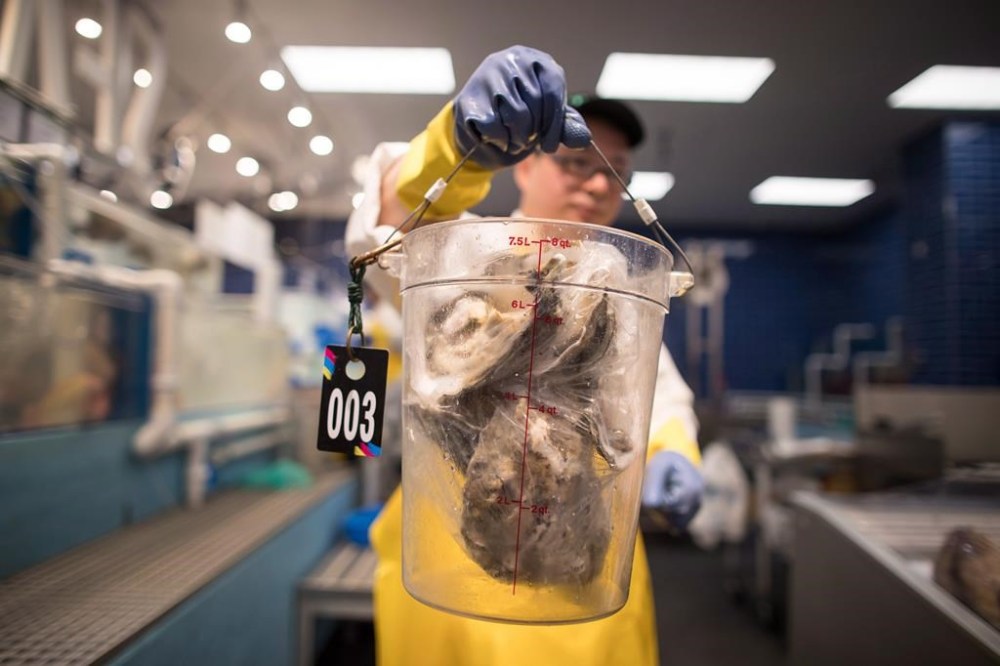
He says a big question is identifying the host that helps transfer MSX from one oyster to another, although he acknowledges the odds of finding that are low since it has evaded researchers for nearly 60 years.
The parasite was found in oysters in P.E.I.’s Bedeque Bay and several other areas in July, leading the Canadian Food Inspection Agency to institute quarantines.
It affects the growth of oysters and kills a large number of them, but it does not present a human health risk.
Deagle also wants research to focus on breeding oysters that have resistance to MSX. “We need resistant oysters that can survive this parasite … so that we can have an industry in the future,” he said.
Harvesters are “facing a 95 per cent mortality rate with our oysters with MSX, which is truly devastating and possibly could wipe out our industry if we don’t respond,” the minister said.
Climate change can affect MSX as well because the parasite thrives in warmer water, he added. “But I think what part of the reality is, we’re going to have to adapt and learn to live with MSX,” he says.
This report by The Canadian Press was first published Aug. 15, 2024.