

Torontonians get first chance to meet snow leopard cubs Zoya and Minu this weekend
Advertisement
Read this article for free:
or
Already have an account? Log in here »
To continue reading, please subscribe:

Digital Subscription
One year of digital access for only $205*
- Enjoy unlimited reading on winnipegfreepress.com
- Read the E-Edition, our digital replica newspaper
- Access News Break, our award-winning app
- Play interactive puzzles
*First annual payment billed as $205.00 + GST for one year. This annual subscription will automatically renew at $233.00 + GST every 52 weeks (10% off the regular annual price of $259.35). Offer available to new and qualified returning subscribers only. Cancel any time.
To continue reading, please subscribe:
Add Free Press access to your Brandon Sun subscription for only an additional
$1 for the first 4 weeks*
- Enjoy unlimited reading on winnipegfreepress.com
- Read the E-Edition, our digital replica newspaper
- Access News Break, our award-winning app
- Play interactive puzzles
*Your next Brandon Sun subscription payment will increase by $1.00 and you will be charged $17.95 plus GST for four weeks. After four weeks, your payment will increase to $24.95 plus GST every four weeks.
Read unlimited articles for free today:
or
Already have an account? Log in here »
Hey there, time traveller!
This article was published 25/10/2024 (661 days ago), so information in it may no longer be current.
Two snow leopard cubs will be making their public debut at the Toronto Zoo this weekend.
The zoo says visitors will be able to see Zoya and Minu in their outdoor habitat between about 10 a.m. and 2 p.m. on Saturday and Sunday.
The cubs were born on May 13 at the zoo and have been living with their mother Jita since then.
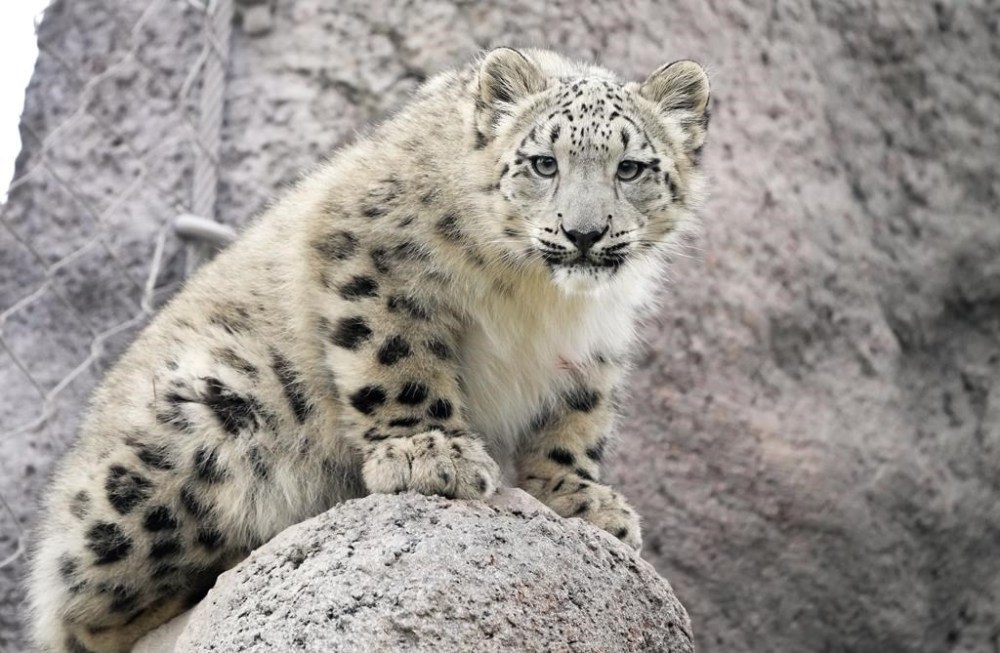
Until now, the cubs lived indoors as they received vaccines and staff made necessary modifications to make their outdoor habitat safe and secure.
The zoo says it is time for the little ones to spend more time exploring outside as they are growing older.
The snow leopard is considered a vulnerable species, and the World Wildlife Fund estimates only 4,000 to 6,500 individuals remain in the wild.
This report by The Canadian Press was first published Oct. 25, 2024.