

Urban deer a target as B.C. government, cities try to curb wasting disease
Advertisement
Read this article for free:
or
Already have an account? Log in here »
To continue reading, please subscribe:
Monthly Digital Subscription
$1 per week for 24 weeks*
- Enjoy unlimited reading on winnipegfreepress.com
- Read the E-Edition, our digital replica newspaper
- Access News Break, our award-winning app
- Play interactive puzzles
*Billed as $4.00 plus GST every four weeks. After 24 weeks, price increases to the regular rate of $19.95 plus GST every four weeks. Offer available to new and qualified returning subscribers only. Cancel any time.
Monthly Digital Subscription
$4.99/week*
- Enjoy unlimited reading on winnipegfreepress.com
- Read the E-Edition, our digital replica newspaper
- Access News Break, our award-winning app
- Play interactive puzzles
*Billed as $19.95 plus GST every four weeks. Cancel any time.
To continue reading, please subscribe:
Add Free Press access to your Brandon Sun subscription for only an additional
$1 for the first 4 weeks*
*Your next subscription payment will increase by $1.00 and you will be charged $16.99 plus GST for four weeks. After four weeks, your payment will increase to $23.99 plus GST every four weeks.
Read unlimited articles for free today:
or
Already have an account? Log in here »
Hey there, time traveller!
This article was published 14/02/2025 (406 days ago), so information in it may no longer be current.
CRANBROOK, B.C. – The B.C. government along with the southeastern cities of Cranbrook and Kimberley say they’ll try to limit the spread of chronic wasting disease with a targeted cull and testing of urban deer.
Five cases have been confirmed in southeast B.C. in the last year for the disease that is fatal and affects species in the deer family, including mule deer, white-tailed deer, elk, moose and caribou.
A statement from the Ministry of Water, Land and Resource Stewardship says the risk of spread is higher in urban deer because of population density, and two cities are of special concern because of their proximity to the areas where the infected deer were found.
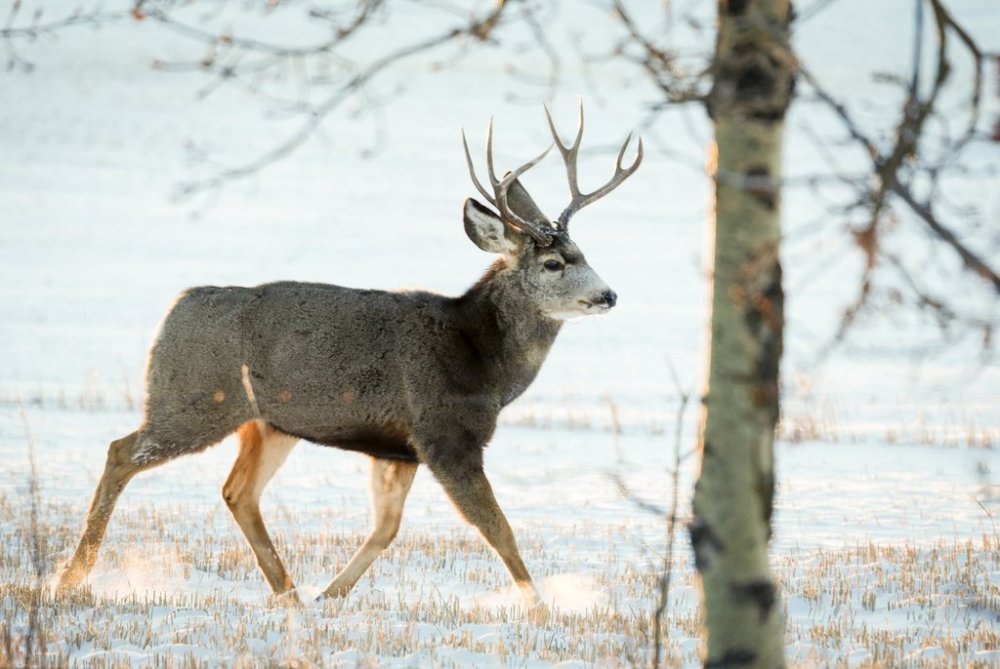
It says the cull will be conducted as safely and humanely as possible, with the removal of the deer done by professionals following strict protocols to ensure public safety and to minimize stress on the animals.
Deer removal will start Feb. 18 and the government says the sample testing will be shared.
The statement says any future management decisions will be based on what they find when testing the dead deer, their research and local Indigenous knowledge.
This report by The Canadian Press was first published Feb. 14, 2025.