

Ottawa, First Nations presenting plans to reform child welfare system
Advertisement
Read this article for free:
or
Already have an account? Log in here »
To continue reading, please subscribe:

Digital Subscription
One year of digital access for only $205*
- Enjoy unlimited reading on winnipegfreepress.com
- Read the E-Edition, our digital replica newspaper
- Access News Break, our award-winning app
- Play interactive puzzles
*First annual payment billed as $205.00 + GST for one year. This annual subscription will automatically renew at $233.00 + GST every 52 weeks (10% off the regular annual price of $259.35). Offer available to new and qualified returning subscribers only. Cancel any time.
To continue reading, please subscribe:
Add Free Press access to your Brandon Sun subscription for only an additional
$1 for the first 4 weeks*
- Enjoy unlimited reading on winnipegfreepress.com
- Read the E-Edition, our digital replica newspaper
- Access News Break, our award-winning app
- Play interactive puzzles
*Your next Brandon Sun subscription payment will increase by $1.00 and you will be charged $17.95 plus GST for four weeks. After four weeks, your payment will increase to $24.95 plus GST every four weeks.
Read unlimited articles for free today:
or
Already have an account? Log in here »
Hey there, time traveller!
This article was published 22/12/2025 (241 days ago), so information in it may no longer be current.
OTTAWA – Ottawa and First Nations faced a deadline Monday to present the Canadian Human Rights Tribunal with their respective plans to reform the First Nations child welfare system — the latest step in a lengthy fight that has stretched nearly 20 years.
The August tribunal order that mandated the proposals came nine years after it concluded the federal government had discriminated against First Nations children by underfunding the on-reserve child welfare system.
That followed a joint 2007 human rights complaint filed by the Assembly of First Nations and the First Nations Child and Family Caring Society.
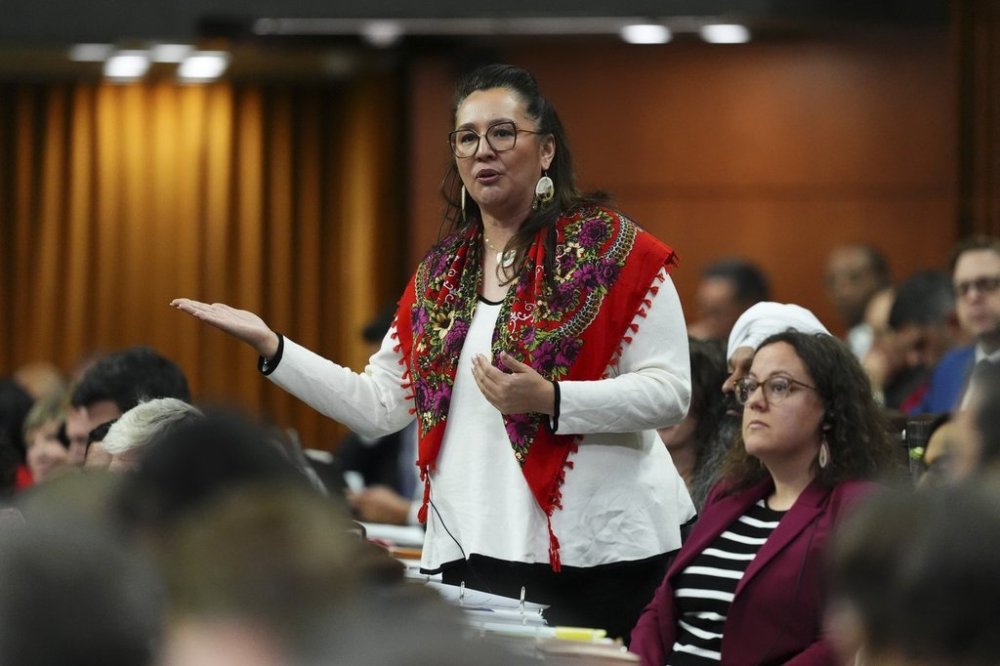
Progress on a child welfare agreement to reform the system stalled last year when First Nations twice rejected a $47.8-billion deal they said did not go far enough to protect kids.
The tribunal said in August that Ottawa cannot “simply wait and let time go by” instead of renegotiating a deal with First Nations.
It said that if Ottawa refused to resume negotiations, the Assembly of First Nations, the Caring Society and the National Children’s Chiefs Commission could present the tribunal with an evidence-based reform plan of their own.
Prime Minister Mark Carney said during the spring federal election campaign he would work with First Nations to reform the system, adding it is critical to ensuring Indigenous children are set up for success.
Indigenous Services Minister Mandy Gull-Masty said Monday she spent much time analyzing why the last agreement was rejected, adding that the government decided to take a national approach based on regional agreements.
Gull-Masty said in an interview the government is introducing new components, including flexibility that would allow regions to determine for themselves where to invest in things like prevention programming or information technology.
“For me, I think the component that is shifting is really to empower First Nation communities to be decision makers for the region,” Gull-Masty said. “You’re not only protecting these children in the most vulnerable time of their life, you’re also protecting who they are as First Nations.”
The government said in a media release its plan includes $35.5 billion in funding to 2033-34, followed by an ongoing commitment of $4.4 billion annually.
Gull-Masty said she contacted the First Nations organizations leading up to the deadline and made an offer to release a joint statement.
“I wish we would have had the opportunity to work together. We are all accountable to do the work and ensure that we are responding to the needs of First Nations children,” Gull-Masty said. “The longer this process takes, it’s another day that a child is in care in a system that’s not developed to protect their best interest.”
The government news release said discussions with interested regional First Nation entities will begin early in the new year.
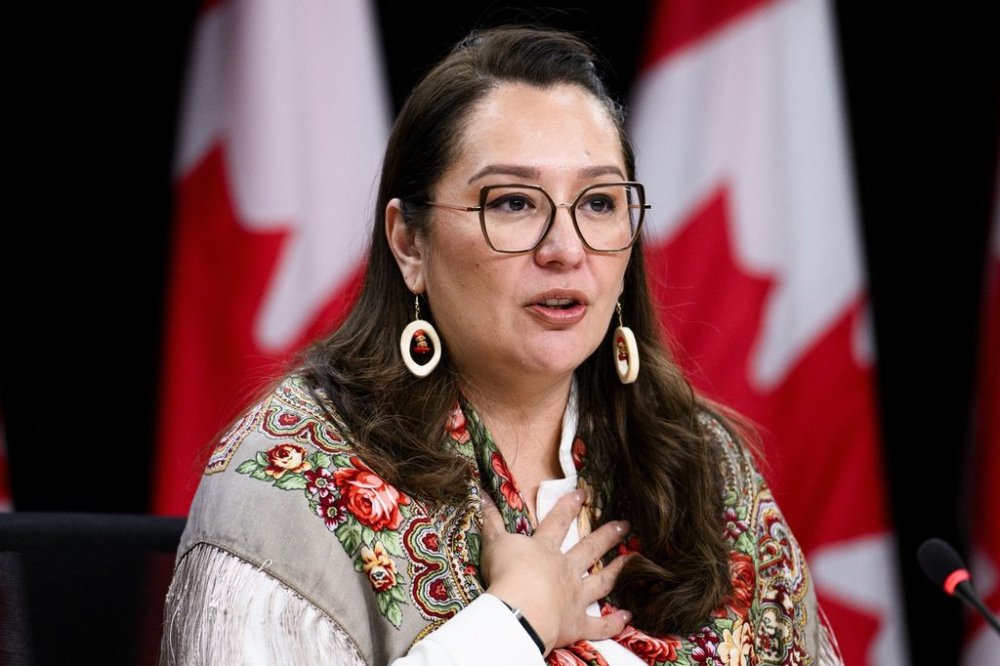
Assembly of First Nations National Chief Cindy Woodhouse Nepinak expressed support in principle in a news release Monday for the plan submitted by the National Children’s Chiefs Commission and the First Nations Child and Family Caring Society.
“Nothing is more important than our children,” Woodhouse Nepinak said. “And we want the government to place the same priority on First Nations children as we do. Today is the latest step in a long, too long, drawn out process.”
The assembly’s news release said the submission supports a region-by-region approach to long-term reform alongside a national plan.
Woodhouse Nepinak said the AFN will review the plans from the groups and the government and hopes there are “strong commonalities” because the preference is to work collaboratively with Ottawa.
“But make no mistake — we will continue to fight for our children if we have to.”
This report by The Canadian Press was first published Dec. 22, 2025.
— With files from Alessia Passafiume