

Quebec government to ask Supreme Court of Canada to weigh in on electoral map changes
Advertisement
Read this article for free:
or
Already have an account? Log in here »
To continue reading, please subscribe:

Digital Subscription
One year of digital access for only $205*
- Enjoy unlimited reading on winnipegfreepress.com
- Read the E-Edition, our digital replica newspaper
- Access News Break, our award-winning app
- Play interactive puzzles
*First annual payment billed as $205.00 + GST for one year. This annual subscription will automatically renew at $233.00 + GST every 52 weeks (10% off the regular annual price of $259.35). Offer available to new and qualified returning subscribers only. Cancel any time.
To continue reading, please subscribe:
Add Free Press access to your Brandon Sun subscription for only an additional
$1 for the first 4 weeks*
- Enjoy unlimited reading on winnipegfreepress.com
- Read the E-Edition, our digital replica newspaper
- Access News Break, our award-winning app
- Play interactive puzzles
*Your next Brandon Sun subscription payment will increase by $1.00 and you will be charged $17.95 plus GST for four weeks. After four weeks, your payment will increase to $24.95 plus GST every four weeks.
Read unlimited articles for free today:
or
Already have an account? Log in here »
Hey there, time traveller!
This article was published 24/12/2025 (276 days ago), so information in it may no longer be current.
MONTREAL – The Quebec government says it will seek leave to appeal to the Supreme Court of Canada in an effort to block a redrawing of the provincial electoral map.
Premier François Legault’s government tabled a law in 2024 to prevent the electoral boundaries commission from removing a riding on the Gaspé Peninsula and another in Montreal’s east end in favour of two new districts in the growing Laurentians/Lanaudière and Centre-du-Québec regions.
In a statement Tuesday, Justice Minister Simon Jolin-Barrette said members from all parties had voted to adopt the law, which was sparked by concerns that the new map would take away political weight from Gaspé and make ridings in eastern Quebec overly large.
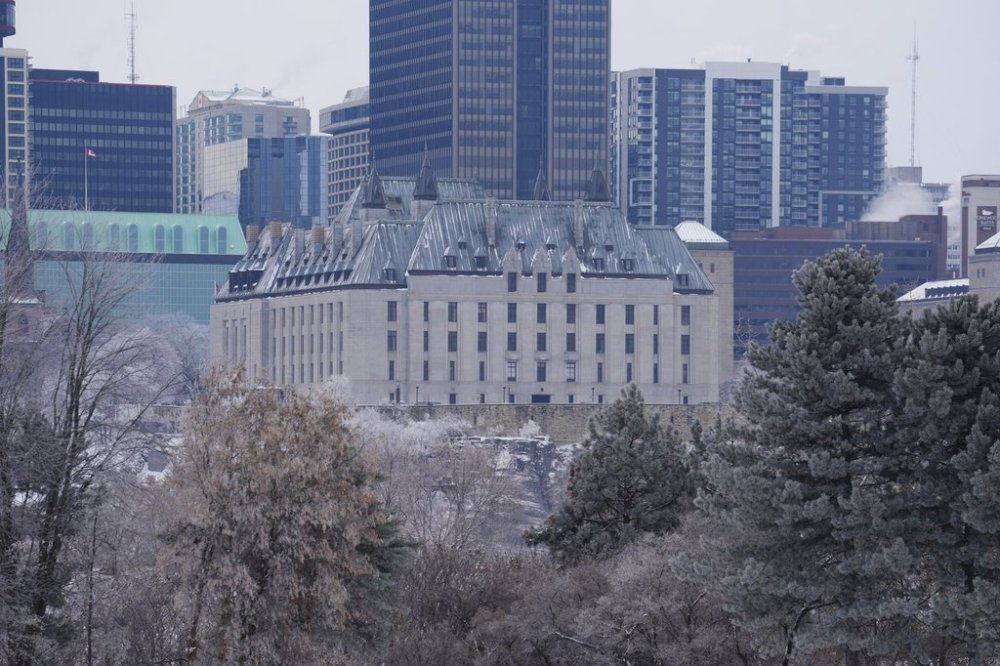
“Citizens from all regions and their realities must be well represented,” Jolin-Barrette said.
But the province’s highest court ruled on Dec. 1 that the law is unconstitutional and violates sections of the Charter that guarantee democratic rights. Justice Mark Schrager wrote that the law would dilute the vote of citizens in some regions to the benefit of those elsewhere and “circumvent the independent process provided for by the Election Act.”
The Court of Appeal decision noted that the law would also suspend all the changes to the map, not only the contentious ones.
“Therefore, the beneficial effects of the (law) would benefit 65,000 voters in only two ridings at the expense of diluting the vote of nearly half a million electors.”
Quebec election law requires that the province’s electoral map be reviewed after every two general elections to account for changes in population, with a goal of dividing Quebec into 125 ridings with an approximately equal number of voters in each.
This report by The Canadian Press was first published Dec. 24, 2025.