

Some Haitian migrants arrested in Quebec on Christmas Day deported to U.S.
Advertisement
Read this article for free:
or
Already have an account? Log in here »
To continue reading, please subscribe:
Digital Subscription
One year of digital access for only $1.44 a week*
- Enjoy unlimited reading on winnipegfreepress.com
- Read the E-Edition, our digital replica newspaper
- Access News Break, our award-winning app
- Play interactive puzzles
*Billed as $5.77 plus GST every four weeks. After 52 weeks, price increases to the regular rate of $19.95 plus GST every four weeks. Offer available to new and qualified returning subscribers only. Cancel any time.
To continue reading, please subscribe:
Add Free Press access to your Brandon Sun subscription for only an additional
$1 for the first 4 weeks*
- Enjoy unlimited reading on winnipegfreepress.com
- Read the E-Edition, our digital replica newspaper
- Access News Break, our award-winning app
- Play interactive puzzles
*Your next Brandon Sun subscription payment will increase by $1.00 and you will be charged $17.95 plus GST for four weeks. After four weeks, your payment will increase to $24.95 plus GST every four weeks.
Read unlimited articles for free today:
or
Already have an account? Log in here »
Some of the 19 migrants of Haitian origin arrested in Quebec on Christmas Day have been deported to the United States.
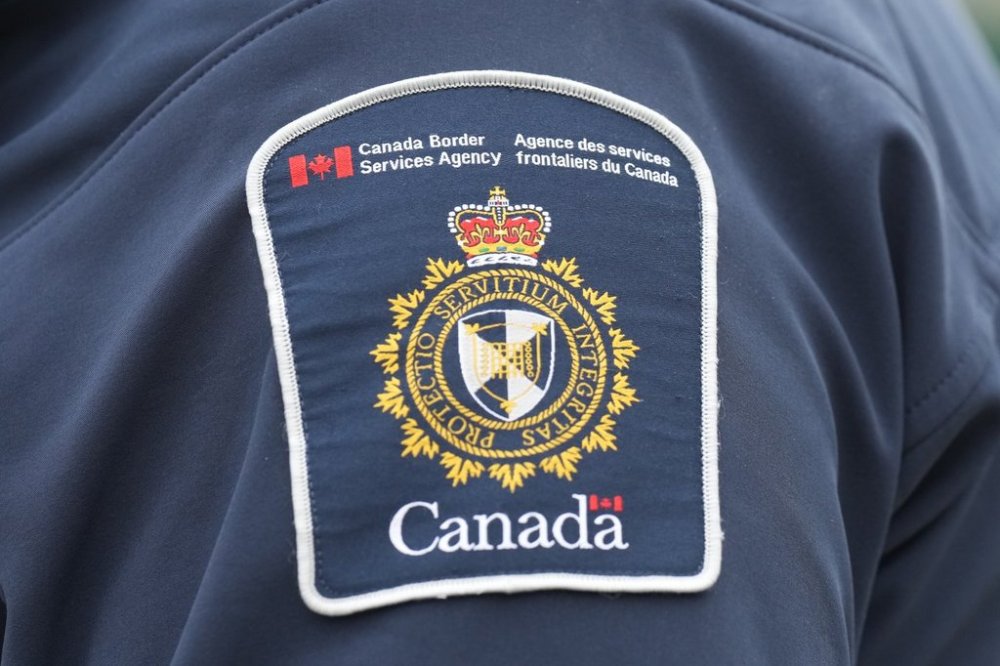
Canada Border Services Agency says the migrants’ asylum claims were processed and those who were deemed inadmissible were sent back south of the border.
In an emailed statement, the agency didn’t say how many would-be refugees were deported.
The agency says an agreement between Canada and the U.S. requires people to seek asylum in the first “safe” country they arrive in, meaning migrants in the U.S. can’t cross the border to seek refuge in Canada.
The RCMP have said the 19 migrants were arrested on the evening of Dec. 25 in the Havelock, Que., area about five kilometres from the New York border.
The group included people between the ages of one and 60.
This report by The Canadian Press was first published Jan. 2, 2026.