

Groups launch constitutional challenge of Safe Third Country Agreement
Advertisement
Read this article for free:
or
Already have an account? Log in here »
To continue reading, please subscribe:
Digital Subscription
One year of digital access for only $1.44 a week*
- Enjoy unlimited reading on winnipegfreepress.com
- Read the E-Edition, our digital replica newspaper
- Access News Break, our award-winning app
- Play interactive puzzles
*Billed as $5.77 plus GST every four weeks. After 52 weeks, price increases to the regular rate of $19.95 plus GST every four weeks. Offer available to new and qualified returning subscribers only. Cancel any time.
To continue reading, please subscribe:
Add Free Press access to your Brandon Sun subscription for only an additional
$1 for the first 4 weeks*
- Enjoy unlimited reading on winnipegfreepress.com
- Read the E-Edition, our digital replica newspaper
- Access News Break, our award-winning app
- Play interactive puzzles
*Your next Brandon Sun subscription payment will increase by $1.00 and you will be charged $17.95 plus GST for four weeks. After four weeks, your payment will increase to $24.95 plus GST every four weeks.
Read unlimited articles for free today:
or
Already have an account? Log in here »
OTTAWA – Amnesty International Canada and the Canadian Council for Refugees have filed a new Federal Court challenge to the constitutionality of the Safe Third Country Agreement with the U.S. that says refugees must claim asylum in whichever country they arrive in first.
In 2023 the Supreme Court of Canada ruled refugees can avoid being sent back to the U.S. if they face unnecessary detention or the risk of deportation to a country where their rights and lives would be threatened.
These considerations are referred to as “safety valves” by people working in the migrant rights sector.
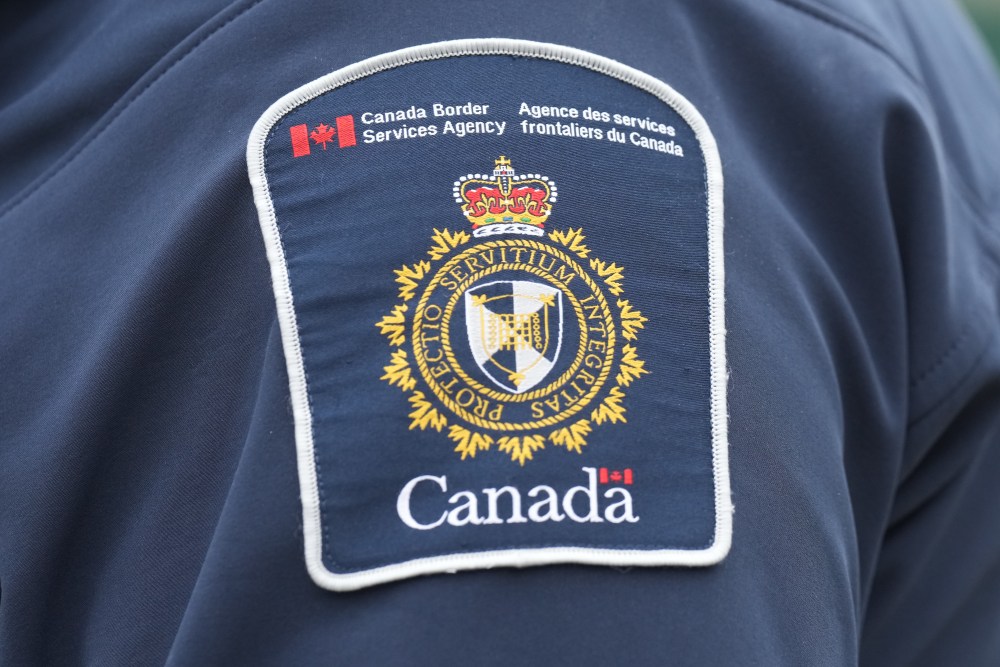
The refugee rights organizations say the Canada Border Services Agency is not properly applying this rule and is turning people away despite evidence their rights are threatened.
“Even pre-Trump 2.0, we were concerned, but things obviously escalated significantly when Trump took office again, with like the complete dismantling of the asylum system and their detention and deportation campaigns,” said Julia Sande, an Amnesty International Canada human rights lawyer.
“We’ve just seen things get so much worse for people who come here and are sent back, put into the hands of ICE and then ultimately deported. And so that’s what this new challenge is all about.”
A Honduran family central to the group’s challenge was allegedly denied entry to Canada in April 2025 despite the fact their U.S. asylum claims had been cancelled a month earlier.
The groups say the family was detained nearly three weeks in the U.S. before being deported back to Honduras, where they live in hiding from gangs and death threats that forced them to flee their home.
Gauri Sreenivasan, Canadian Council for Refugees co-executive director, said the Honduran family did not have access to a lawyer or an assessment of their refugee claims before they were deported. She said this could have been avoided if the “safety valves” mandated by the Supreme Court were applied.
“The concern is that individuals who raise concerns about being returned to the U.S. are not provided any access to safety valves, and there’s really no viable process to request the safety valves. So for the CCR, the existence of safety valves at the border is a sham,” she said.
This case is separate from another constitutional challenge of the entire Safe Third Country Agreement that the two organizations are part of, along with the Canadian Council of Churches.
A date has not yet been set for this case.
This report by The Canadian Press was first published June 17, 2026.