

Supreme Court to review provisions on evidence of sexual history in assault cases
Advertisement
Read this article for free:
or
Already have an account? Log in here »
To continue reading, please subscribe:

Digital Subscription
One year of digital access for only $205*
- Enjoy unlimited reading on winnipegfreepress.com
- Read the E-Edition, our digital replica newspaper
- Access News Break, our award-winning app
- Play interactive puzzles
*First annual payment billed as $205.00 + GST for one year. This annual subscription will automatically renew at $233.00 + GST every 52 weeks (10% off the regular annual price of $259.35). Offer available to new and qualified returning subscribers only. Cancel any time.
To continue reading, please subscribe:
Add Free Press access to your Brandon Sun subscription for only an additional
$1 for the first 4 weeks*
- Enjoy unlimited reading on winnipegfreepress.com
- Read the E-Edition, our digital replica newspaper
- Access News Break, our award-winning app
- Play interactive puzzles
*Your next Brandon Sun subscription payment will increase by $1.00 and you will be charged $17.95 plus GST for four weeks. After four weeks, your payment will increase to $24.95 plus GST every four weeks.
Read unlimited articles for free today:
or
Already have an account? Log in here »
Hey there, time traveller!
This article was published 25/03/2021 (1991 days ago), so information in it may no longer be current.
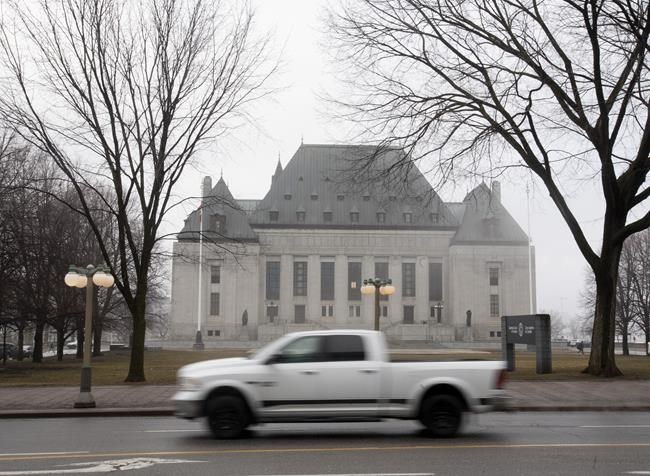
OTTAWA – The Supreme Court of Canada will look at the constitutionality of provisions that govern evidence about an alleged assault victim’s sexual history.
The decision comes in the case of Shane Reddick, who was charged with sexual assault and, in his defence, planned to cross-examine the complainant about her prior sexual activity.
Before his trial, Reddick challenged the constitutionality of Criminal Code provisions dealing with such evidence, arguing they violated his rights to fundamental justice and a fair trial.
In its decision last November, the Ontario Superior Court of Justice said that when sexual-assault complainants testify they must not be put on trial and should be protected from questioning that propagates myths surrounding such victims.
However, the court declared several of the contested Criminal Code provisions to be unconstitutional, saying they impaired the accused’s right to a fair trial.
The Supreme Court says the complainant’s appeal of the Ontario court ruling will be heard in May along with another, previously scheduled case involving a related Criminal Code provision.
This report by The Canadian Press was first published March 25, 2021.