Global Issues
Please review each article prior to use: grade-level applicability and curricular alignment might not be obvious from the headline alone.

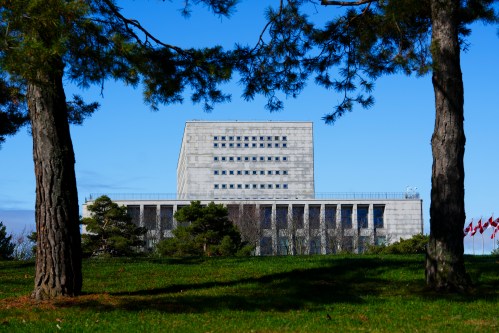
News publishers launch copyright suit against AI company Anthropic in Ontario
3 minute read Preview Updated: Yesterday at 2:32 PM CDT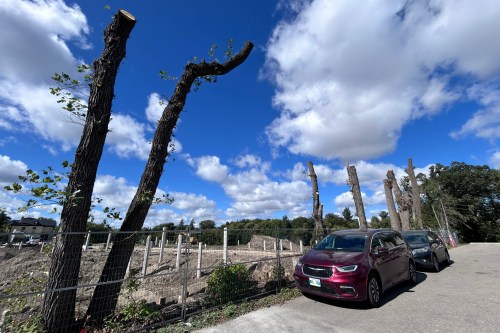
Advocates planting the seed of a tree protection law in Winnipeg’s election
6 minute read Preview Updated: Yesterday at 2:29 PM CDT
Bank of Canada’s Macklem warns global resilience ‘under strain’
4 minute read Preview Tuesday, Oct. 20, 2026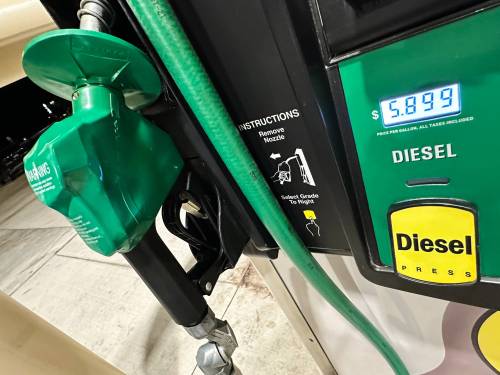
Diesel bill adds to cost-price squeeze on farm
4 minute read Preview Saturday, Oct. 17, 2026
Prominent extremist organizations in Canada come and go, but the danger of violence remains
5 minute read Preview Saturday, Oct. 17, 2026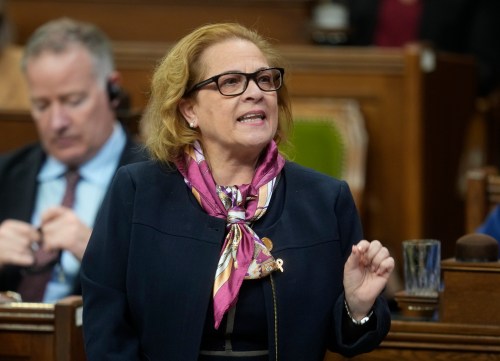
Ottawa adding new express entry points for immigrants in ‘high-wage’ jobs
2 minute read Preview Sunday, Oct. 18, 2026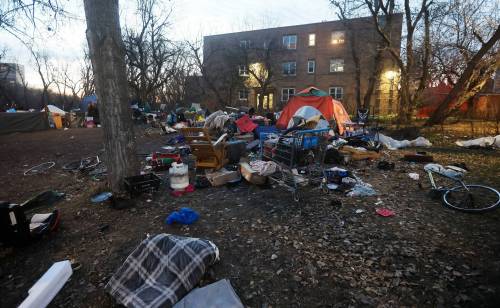
City’s drug, homelessness crises overlooked on campaign trail, front-line groups say
15 minute read Preview Friday, Oct. 16, 2026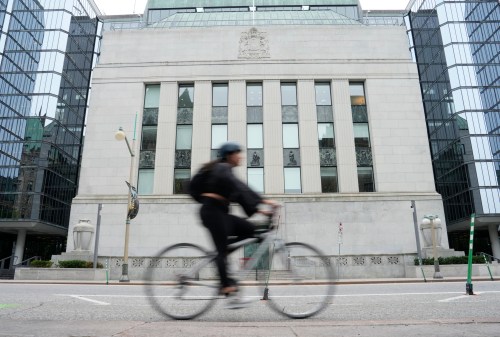
Bank of Canada set for pair of important data drops ahead of ‘live’ rate decision
4 minute read Preview Tuesday, Oct. 20, 2026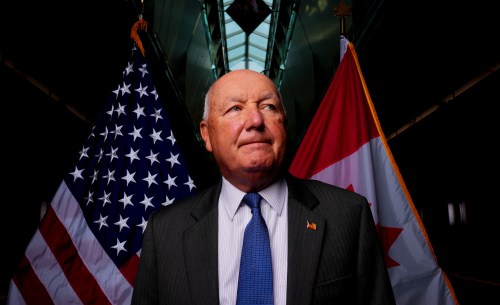
Hoekstra says U.S. watching Canada for signs of interference in midterm elections
5 minute read Preview Friday, Oct. 16, 2026
Low-cost grocery store initiative in Elmwood neighbourhood seeks to fill accessibility, security gap
4 minute read Preview Wednesday, Oct. 14, 2026
Japanese journalist arrested in Russia’s Sakhalin region on spying charges
3 minute read Preview Friday, Oct. 16, 2026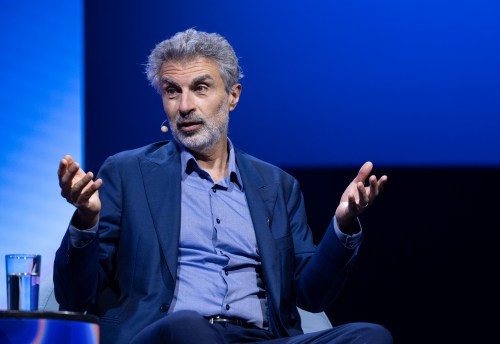
More damaging AI hacking incidents to come unless changes are made, scientists warn
3 minute read Preview Friday, Oct. 16, 2026
Diesel-fuelled price hikes could stoke food inflation this fall, experts warn
5 minute read Preview Saturday, Oct. 10, 2026
Orphaned polar bear cub has new home at Winnipeg zoo, but life in captivity speaks to complicated challenges facing species
16 minute read Preview Friday, Oct. 9, 2026AI governance: Canada’s next structural test
4 minute read Wednesday, Oct. 7, 2026Artificial intelligence is accelerating faster than the governance structures meant to contain it. Canada now faces a structural test — whether our institutions can protect autonomy, dignity, and continuity in an era when decision-making is increasingly mediated by systems we did not design, cannot fully audit, and do not yet constitutionally constrain.
This is not a technological problem. It is a governance problem.
AI systems influence how information flows, how institutions behave, and how decisions are made. They shape the conditions under which harm becomes predictable. They amplify both the strengths and weaknesses of the systems into which they are deployed. And they do all of this at a scale and speed that outpaces traditional regulatory tools.
Canada’s current approach to AI governance relies heavily on policy, guidelines, and sector-specific regulation. These are important, but they are not sufficient. What is missing is structural clarity — a constitutional-grade framework that defines authority, responsibility, accountability, and the minimum conditions under which AI systems may operate without undermining human dignity or institutional credibility.
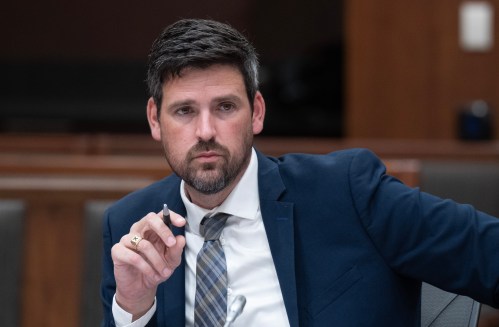
Justice minister to announce next steps for MAID in Canada
3 minute read Preview Wednesday, Oct. 7, 2026
French riot police fire tear gas as more than 250,000 rally nationwide for school funding
5 minute read Preview Wednesday, Oct. 7, 2026
Real journalists matter in an AI world
4 minute read Preview Tuesday, Oct. 6, 2026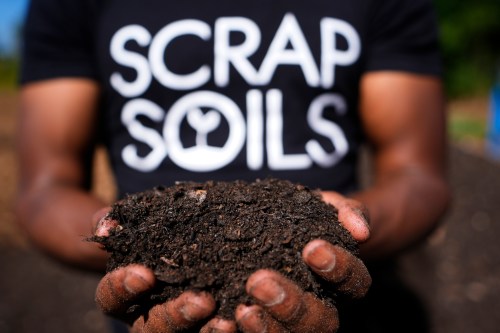
Budding food scrap pickup services across the US want your coffee grounds and eggshells
6 minute read Preview Tuesday, Oct. 6, 2026
The idea of Alberta separation viewed through a faith lens shows further fracture lines
10 minute read Preview Saturday, Oct. 3, 2026
Time for AI guardrails is right now
4 minute read Preview Friday, Oct. 2, 2026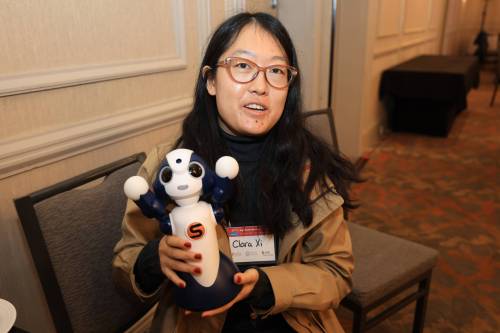
Robot study gives seniors say in era of AI
4 minute read Preview Sunday, Oct. 4, 2026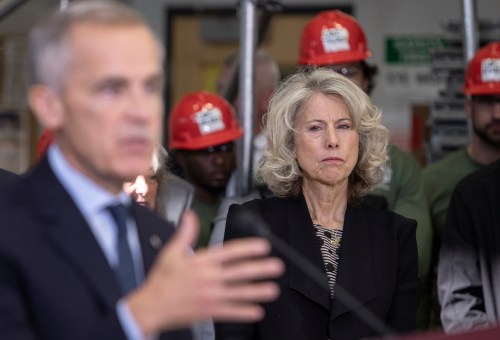
Indigenous groups given just two months to consult on pipeline project designation
6 minute read Preview Tuesday, Oct. 6, 2026