
Number
Please review each article prior to use: grade-level applicability and curricular alignment might not be obvious from the headline alone.

Manitoba crypto companies say provincial plans would put them out of business
3 minute read Preview Friday, Apr. 24, 2026Why Canada’s media economy is bleeding
4 minute read Wednesday, Apr. 22, 2026Canadian policymakers often focus on natural resources, telecommunications and automotive manufacturing when talking about the country’s economic pillars. However, there is another major industry that employs more people than some of these sectors, even as it steadily loses money.
Right now, the Canadian media and advertising sector is facing serious challenges. The 2026 Canadian Media Means Business (CMMB) report shows that in 2024, the sector provided 137,600 direct jobs.
That’s more than auto manufacturing, telecommunications and almost 40 per cent more than mining. Including indirect and related jobs, the sector adds $22.6 billion to Canada’s GDP.
Even though the industry is a big part of the economy, there is now a major gap between how much Canadians use media and how much money stays in Canada.

Report on state of rural Manitoba’s economy ‘exciting work’
4 minute read Preview Tuesday, Apr. 21, 2026
High fuel prices driving up shipping costs for northern grocers
6 minute read Preview Tuesday, May. 12, 2026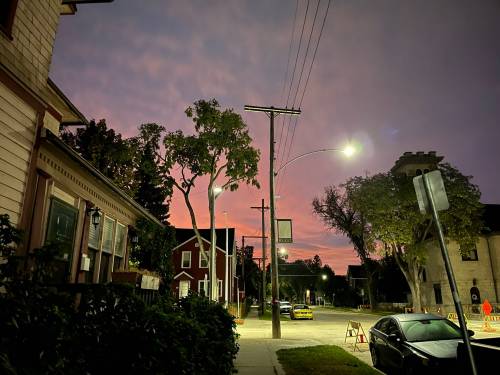
In praise of the deliberately slower lane
5 minute read Preview Monday, Apr. 20, 2026
Wooden elevator reduced to rubble after towering over Austin for 75 years
6 minute read Preview Friday, Apr. 17, 2026
Indigenous Winnipeggers undercounted, underserved: report
5 minute read Preview Friday, Apr. 17, 2026
U.S. leads spike in applications for Canadian citizenship by descent
4 minute read Preview Saturday, May. 9, 2026
Jury finds that Ticketmaster and Live Nation had an anticompetitive monopoly over big concert venues
5 minute read Preview Thursday, May. 7, 2026Couple fights city to retain 11-foot-plus fence
4 minute read Tuesday, Apr. 14, 2026A notable Winnipeg couple are fighting a city order to reduce the size of their more than 11-foot fence — which is much higher than allowed under city regulations.
Lynne Skromeda and Jason Smith built a fence in 2023 as part of renovations to their McMillan neighbourhood backyard. A neighbour filed a complaint and city bylaw inspectors ruled the fence was too high. The city later approved a variance application to allow for a seven-foot, five-inch fence.
“In 2023, the applicant worked with urban planning to arrive at a compromised height of 7.5 feet and the applicant advised they would reduce the fence height accordingly. Further inspections at the site reveal that the applicant did not complete the necessary reduction to the fence height to meet the supported and approved height of 7.5 feet,” says a report prepared for an April 20 appeal hearing.
The city’s limit on fence height is six-feet, six inches for rear and side yards, and four feet in front yards. The fence in dispute is more than 11 feet high along a portion of the west side yard and more than eight feet along the rear yard.

Province boosts CFS funding by $29M
4 minute read Preview Wednesday, Apr. 15, 2026
‘Desperately missed’ victims honoured as B.C. marks 10 years of toxic drug emergency
5 minute read Preview Wednesday, May. 6, 2026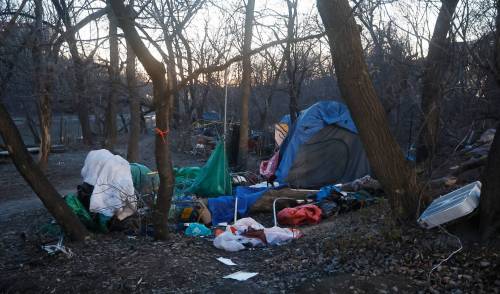
‘Just staggering’: city’s homelessness crisis worsening, new data reveals
6 minute read Preview Tuesday, Apr. 14, 2026
Statistics Canada reports wealth and income gaps grew in 2025
3 minute read Preview Tuesday, May. 5, 2026
Fireworks crackdown might be in Winnipeg’s future
4 minute read Preview Wednesday, Apr. 8, 2026
Artemis II astronauts make long-distance call to the space station as they head home from the moon
5 minute read Preview Wednesday, Apr. 29, 2026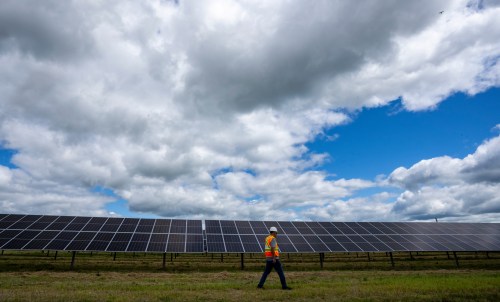
Energy-hungry Nova Scotia companies nearly doubled their solar power capacity in 2025
5 minute read Preview Wednesday, Apr. 29, 2026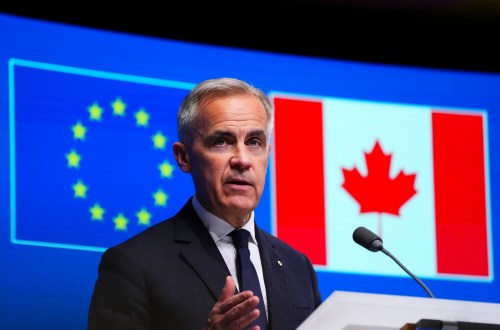
Canada in the European Union? Poll suggests broad openness to the idea
5 minute read Preview Saturday, May. 2, 2026
Burdett Sisler, Canada’s oldest known living man, Second World War vet, dead at 110
5 minute read Preview Friday, May. 1, 2026
On schedule: provincial minimum wage to rise to $16.40/hr in October
4 minute read Preview Wednesday, Apr. 1, 2026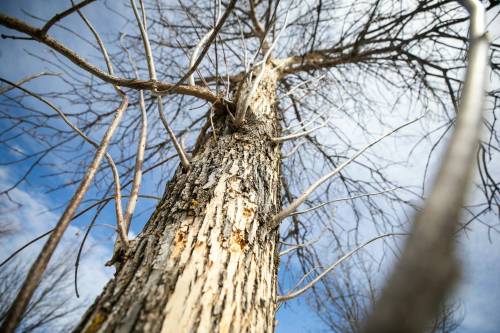
Invasive species on the march, threaten city’s ash, elm trees
5 minute read Preview Wednesday, Apr. 1, 2026
The Latest: Artemis II astronauts reach orbit on historic mission to the moon and back
22 minute read Preview Saturday, Apr. 25, 2026
Hate crimes numbers stayed steady in 2024 after years of increases: StatCan
3 minute read Preview Friday, May. 1, 2026