Invasive species on the march, threaten city’s ash, elm trees
Read this article for free:
or
Already have an account? Log in here »
To continue reading, please subscribe:

Digital Subscription
One year of digital access for only $205*
- Enjoy unlimited reading on winnipegfreepress.com
- Read the E-Edition, our digital replica newspaper
- Access News Break, our award-winning app
- Play interactive puzzles
*First annual payment billed as $205.00 + GST for one year. This annual subscription will automatically renew at $233.00 + GST every 52 weeks (10% off the regular annual price of $259.35). Offer available to new and qualified returning subscribers only. Cancel any time.
To continue reading, please subscribe:
Add Free Press access to your Brandon Sun subscription for only an additional
$1 for the first 4 weeks*
- Enjoy unlimited reading on winnipegfreepress.com
- Read the E-Edition, our digital replica newspaper
- Access News Break, our award-winning app
- Play interactive puzzles
*Your next Brandon Sun subscription payment will increase by $1.00 and you will be charged $17.95 plus GST for four weeks. After four weeks, your payment will increase to $24.95 plus GST every four weeks.
Read unlimited articles for free today:
or
Already have an account? Log in here »
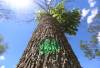
Winnipeg’s tree canopy is under siege.
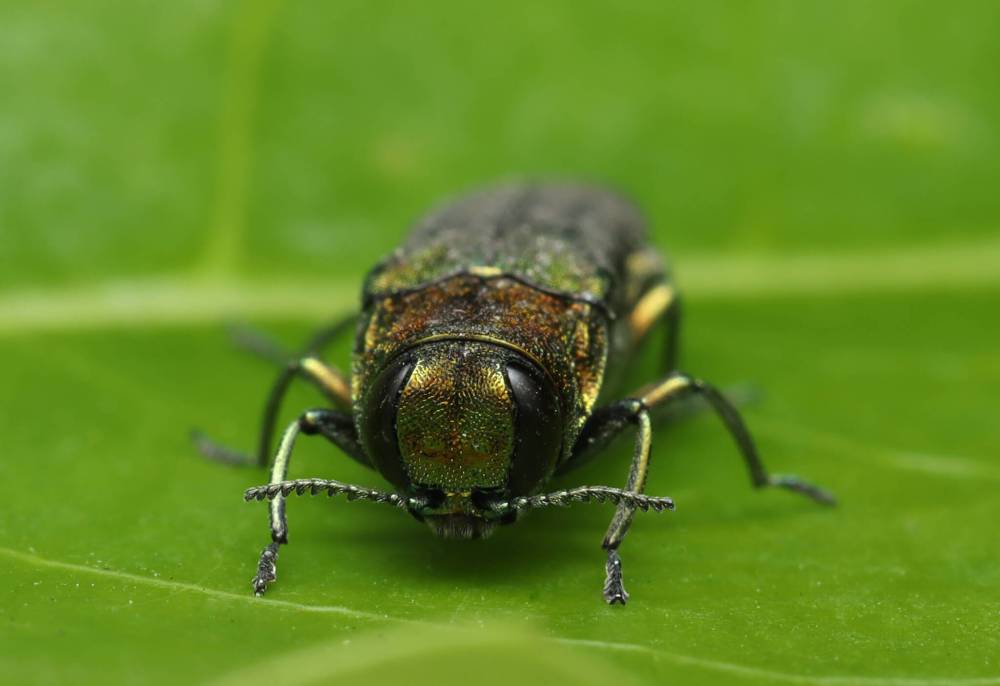
The emerald ash borer has made a resurgence — after nearly a decade of minimal spread — and another invasive insect is bearing down on elm trees, which are already at risk of Dutch elm disease.
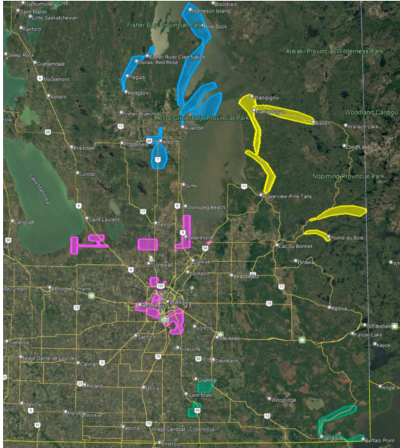
Martha Barwinsky, the City of Winnipeg’s forester, said 40 ash trees must be felled after two infected trees were spotted near the Glenwood Community Centre on Overton Street in February.
MIKAELA MACKENZIE / FREE PRESS 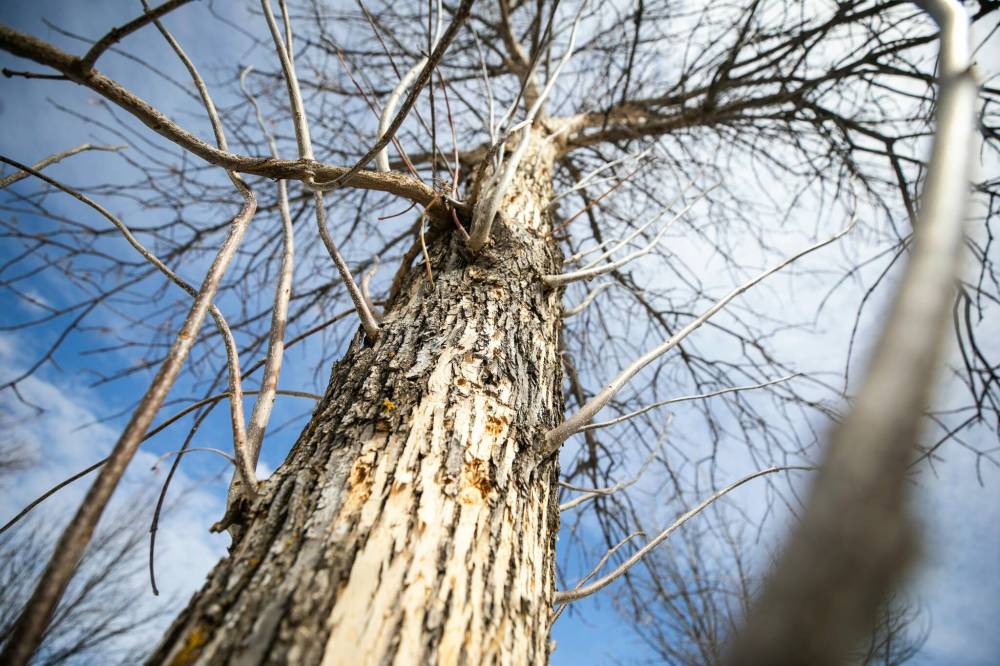
“We had a look at them and, sure enough, it was very obvious,” Barwinsky said.
“Immediately, we began doing a survey of the surrounding area and found more. So at this point, we are looking at approximately 40 or so trees that are physically infected in the neighbourhood and that surrounding area and we also have been finding trees in additional spots.”
“We are looking at double the number of trees.”
After years of warnings, as the emerald ash borers migrated east across the Prairies, the bug was first found in Winnipeg trees in 2017.
At that time, the city worried the bright-green insects would destroy the ash tree population in a decade, but as of last year, only 22 infected trees needed to be removed.
MIKAELA MACKENZIE / FREE PRESS 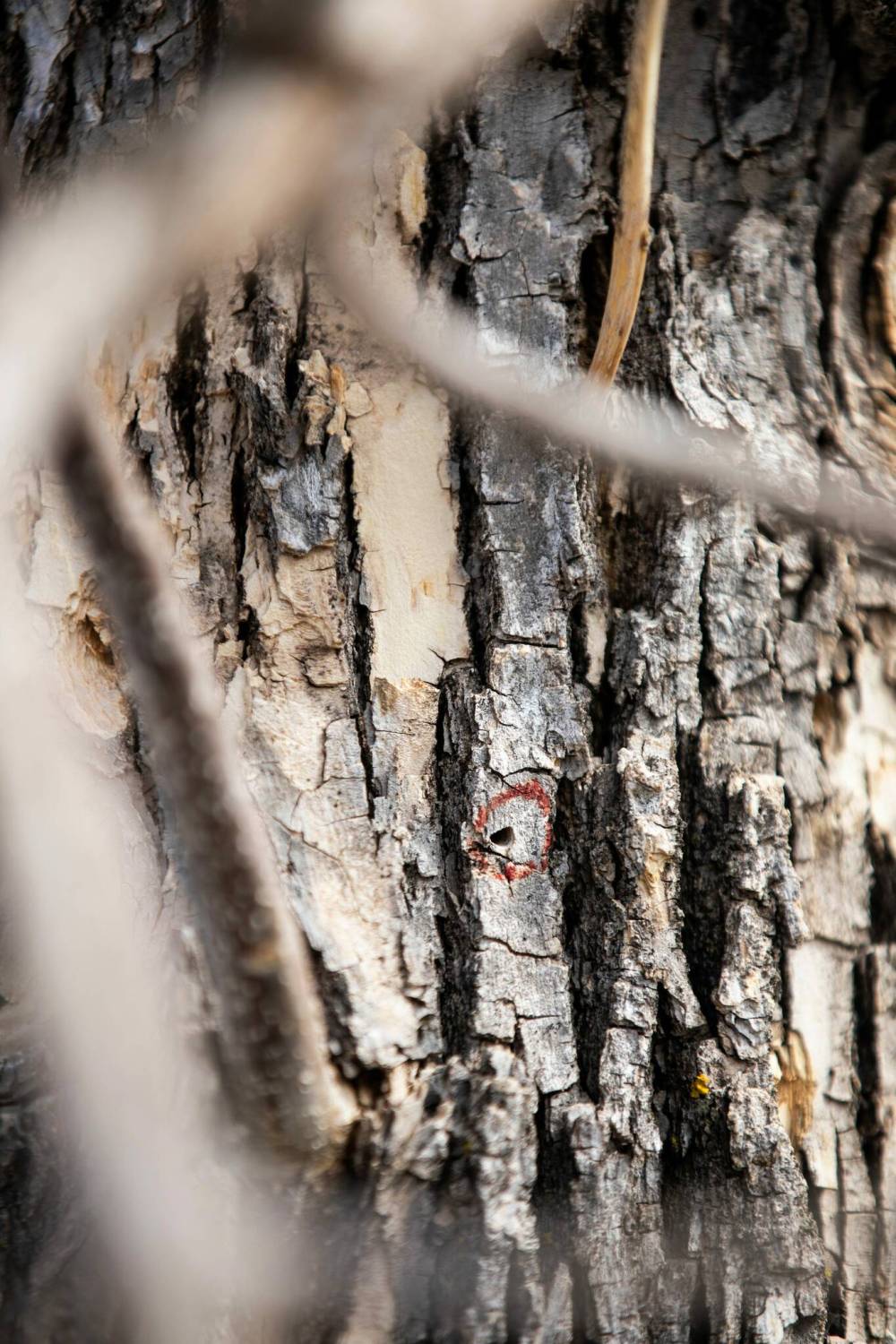
Barwinsky said as well as the trees in Glenwood, two trees have been found in the Royalwood neighbourhood, an unknown number in the St. George neighbourhood, and others on the St. Boniface Golf Club.
“We’re not really surprised about these discoveries, the most recent ones,” she said.
“Every year we are expecting to find some and are surprised when we don’t. But this is a much more significant population, the volume of infected trees, than we certainly found back in 2017. We are looking at double the number of trees. We are actually going to start some of those removals this week.”
“Maybe it was the cold, but unfortunately (the beetles) seem to be propagating now.”
Christian Cassidy, executive director of Trees Winnipeg, said the city has been lucky because ash tree populations were devastated in other cities within a decade.
“Maybe it was the cold, but unfortunately (the beetles) seem to be propagating now,” Cassidy said.
“A few years back, when they came here, everybody was holding their breath, but now there are more trees.”
Cassidy said he’s glad the city has spent the last decade diversifying the types of trees planted along boulevards.
“For years, American elms was all they planted until the 1950s and it left the urban canopy susceptible. Then, in the suburbs, ash trees were planted. It looks odd now, when you see a mix of planting on boulevards, because you’re used to seeing only one type of tree, but there is definitely reasoning behind it.”
Barwinsky said a new pest was found in the city last August — the elm zigzag sawfly.
“There was a sighting and a detection in the Fort Garry neighbourhood, and then another in the northeast section of the city around Eaglemere and Valley Gardens,” she said.
“It’s a new defoliator and unfortunately it attacks our elm trees. It is quite destructive… it is a pretty voracious feeder.”
Barwinsky said the bug feeds on leaves, between the veins, creating a zigzag pattern as it munches through the leaf.
That’s not the only problem with the new bug.
“The biggest concern with this pest is it can have multiple generations in a season — usually from May to September — and we may see four to six generations during that period of time. And, it doesn’t have to mate to produce eggs for a new generation.”
No pesticide is registered for use against the elm zigzag, which was native in parts of China and Japan before spreading to Europe in 2003.
The bug was confirmed in Quebec in 2020, the first established area in North America, but since then it has spread to almost a dozen states, including Minnesota and Wisconsin.
“We don’t know how it got into Winnipeg,” Barwinsky said. “With any of these pests, they are transported on infected wood, on infected trees.”
“It is a pretty voracious feeder.”
Barwinsky said elm trees are resilient because their leaves grow back after being eaten, but it becomes a problem if it happens year after year.
“The defoliation will cause stress to the trees and, if there are other stressors, for example severe drought conditions… the trees can eventually succumb.”
MIKAELA MACKENZIE / FREE PRESS 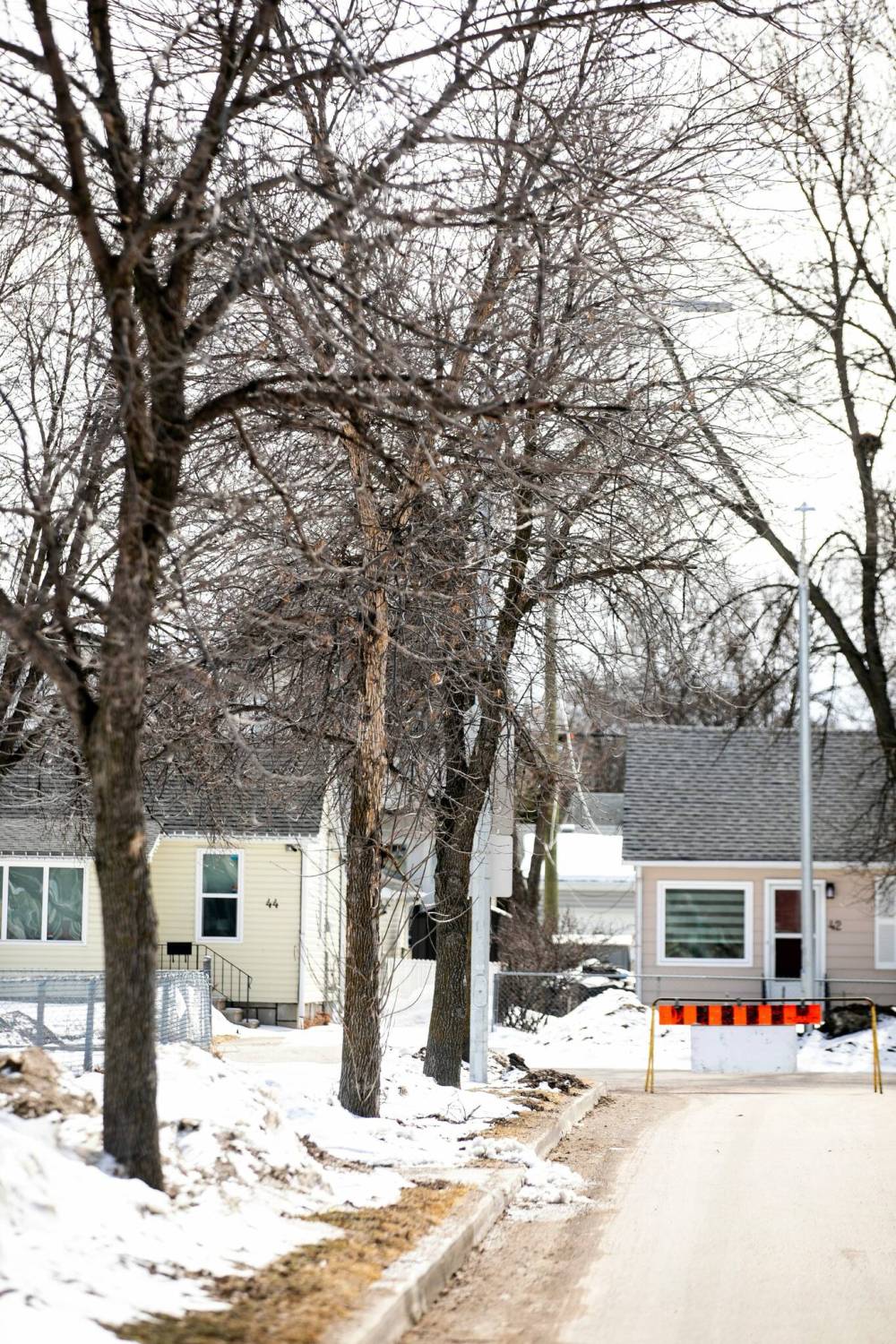
The city’s canopy has been affected by Dutch elm disease for years. A report prepared for city council said Winnipeg had a 3.4 per cent loss rate of American elms due to the disease in 2024, resulting in 6,616 trees being tagged for removal. The target average annual loss rate is two per cent.
Winnipeg has more than 194,000 elms — the most of any city in North America — and they’re all at risk of the disease.
The disease is caused by a fungus that slowly wilts the leaves and turns them a brownish colour. It stops the transportation of water throughout the tree’s vascular system.
kevin.rollason@freepress.mb.ca

Kevin Rollason
Reporter
Kevin Rollason was a general assignment reporter at the Free Press.
Our newsroom depends on a growing audience of readers to power our journalism. If you are not a paid reader, please consider becoming a subscriber.
Our newsroom depends on its audience of readers to power our journalism. Thank you for your support.
Related Articles
Winter temps help fight against ash tree beetle: city forester