
Developmental Psychology
Please review each article prior to use: grade-level applicability and curricular alignment might not be obvious from the headline alone.
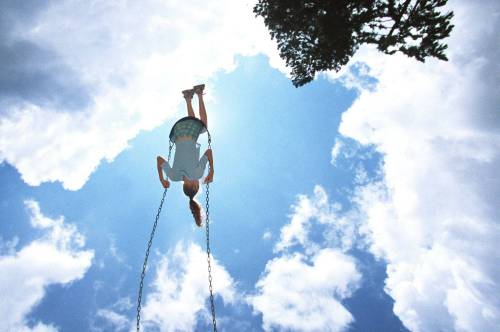
The dream of the ’90s is alive in summertime
4 minute read Preview Saturday, Jul. 4, 2026
Most Canadian teens have seen violence, gore online: survey
4 minute read Preview Tuesday, Jul. 21, 2026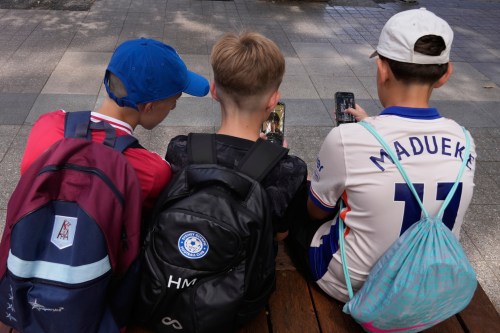
Australia plans to strengthen laws banning children from social media
3 minute read Preview Saturday, Jun. 27, 2026
Growing number of Manitoba youths are addicted to vaping
11 minute read Preview Thursday, Jun. 25, 2026
What to know about the decision to make Bible stories required reading in Texas public schools
4 minute read Preview Friday, Jun. 26, 2026
As Native American boarding schools project ends, survivors describe feeling honored and restored
6 minute read Preview Wednesday, Jun. 24, 2026
AI safety advocates say bill a good ‘first step’ on regulation, but more needed
4 minute read Preview Tuesday, Jul. 14, 2026
Close encounters of the amphibian kind
3 minute read Preview Saturday, Jun. 20, 2026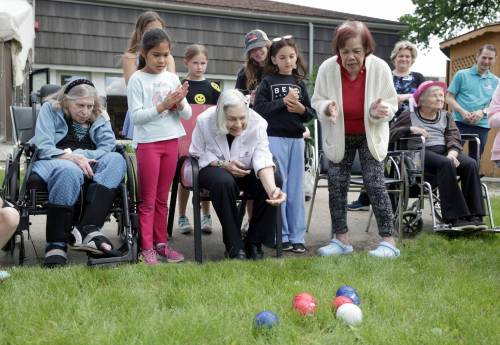
Elementary students develop friendships with care home residents
4 minute read Preview Friday, Jun. 19, 2026
School board’s plan violates rights of young people: children’s advocate
5 minute read Preview Wednesday, Jun. 17, 2026Halting social media harm requires national solution
5 minute read Saturday, Jun. 13, 2026THE federal Liberal government’s proposed legislation to ban or restrict social media access for children under 16 appears to be a sensible approach to one of the most difficult public policy challenges of the digital age.
Whether Canadians ultimately support a ban, limited restrictions or exemptions for platforms that can demonstrate adequate safeguards, one thing is becoming increasingly clear: if governments are going to regulate children’s access to social media, it makes far more sense to do it at the federal level than through a patchwork of provincial laws.
That’s particularly relevant in Manitoba, where the provincial government has been exploring its own options to restrict social media use among young people.
The intentions are understandable. Parents, educators, health-care professionals and policymakers are becoming increasingly alarmed about the effects social media is having on many children and teenagers.
New Brunswick woman sues OpenAI, alleging ChatGPT led to daughter’s death
4 minute read Preview Sunday, Jul. 5, 2026
Mother of B.C. cyberbullying victim Amanda Todd welcomes federal online safety bill
3 minute read Preview Sunday, Jun. 14, 2026
Social media platforms, app stores at odds over who should enforce social media bans
4 minute read Preview Friday, Jul. 3, 2026
Oligarchs don’t care about ‘public good’
4 minute read Preview Thursday, Jun. 11, 2026
Ottawa’s new Digital Safety Act expected to include under-16 social media ban
5 minute read Preview Wednesday, Jul. 1, 2026
Online therapy developed in Montreal helps seniors sleep better, study finds
4 minute read Preview Tuesday, Jun. 30, 2026
Sweet dreams in new beds for 50 children
4 minute read Preview Friday, Jun. 5, 2026
Quebec health minister tables bill banning energy drink sales to youth under 16
4 minute read Preview Monday, Jun. 29, 2026Meet students where they are
5 minute read Friday, Jun. 5, 2026Learning disabilities are invisible, lifelong and widely misunderstood.
They are neurological conditions that affect how we process information and engage with the world around us. Dyslexia affects reading, dysgraphia impacts writing and dyscalculia affects math. Others struggle with executive functioning, affecting memory, attention, planning and organization.
Because they are not easily seen, learning disabilities can be overlooked or misinterpreted.
Many children with learning disabilities learn to cope. They work harder, stay up later, and find ways to get by. Some mask their difficulties so effectively that they appear to be OK until their efforts take more than they can give and can no longer be sustained. Those children are often left to struggle before they are understood, and support only arrives after the impact has taken hold.

Far-flung buddies celebrate four decades of annual golf trips in the city their friendships were forged
5 minute read Preview Thursday, Jun. 4, 2026
Early childhood educators discuss First Nations students’ needs
4 minute read Preview Wednesday, Jun. 3, 2026
Student absenteeism — attribution and action
4 minute read Tuesday, Jun. 2, 2026A “wicked problem” is how Winnipeg School Division chief superintendent Matt Henderson described student absenteeism (Manitoba summit to explore solutions to chronic truancy, April 20).
So did Jess Whitley, an expert interviewee from the University of Ottawa on CBC’s The Current and an author of “The Current State of School Attendance Research and Data in Canada” in the journal Educational Science, explaining that “…very little is known about how it is defined and conceptualized and about its prevalence and trends over time, its impact on various communities, its influential and manipulable predictors or the efficacy of the range of prevention and intervention approaches that no doubt exist in many school boards.”
An example is something as simple as characterizing an absence as being sanctioned or not, excused or not, or school-related or not.
Here we are, then, after decades of good aspirations, sentiments, symposia, initiatives and new and highlighted laws and regulations.