Research Methods
Please review each article prior to use: grade-level applicability and curricular alignment might not be obvious from the headline alone.

No Subscription Required
Most US adults think individual choices keep people in poverty, a new AP-NORC/Harris poll finds
6 minute read Preview Wednesday, Oct. 15, 2025
No Subscription Required
Elon Musk’s Neuralink brain chip implanted into two quadriplegic Canadian patients
4 minute read Preview Friday, Oct. 10, 2025
No Subscription Required
Gardening’s hidden benefits: How digging in the dirt could bolster mental wellbeing
3 minute read Preview Friday, Oct. 10, 2025
No Subscription Required
Anti-racism activist hopes to make our communities mutually respectful
7 minute read Preview Monday, Feb. 24, 2025
Psychologist sues Shared Health, U of M
5 minute read Preview Wednesday, Nov. 13, 2024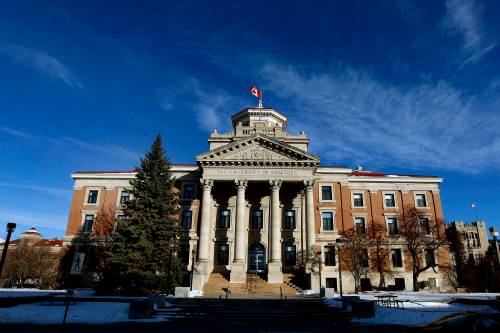
U of M expands clinical psychology program to address Manitoba shortage
4 minute read Preview Thursday, Aug. 15, 2024
No Subscription Required
Conspiracy theories are dangerous even if they don’t affect behaviour
6 minute read Friday, Oct. 10, 2025This article was originally published on The Conversation, an independent and nonprofit source of news, analysis and commentary from academic experts. Disclosure information is available on the original site.
___
Author: Lara Millman, PhD Student, Philosophy, Dalhousie University
Much has been made in recent years of politicians like Donald Trump and their use of conspiracy theories. In Canada, a number of conservative politicians have voiced support for conspiracy theories.

No Subscription Required
Manitoba youth concerned about mental health: survey
3 minute read Preview Thursday, Aug. 19, 2021