Canada in the Global Context
Please review each article prior to use: grade-level applicability and curricular alignment might not be obvious from the headline alone.
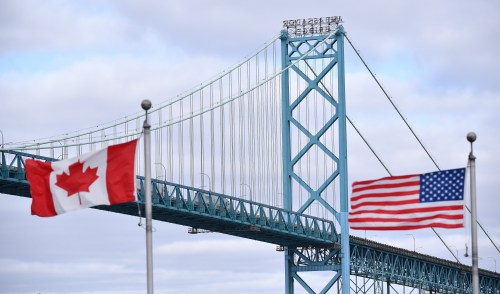
Tariffs threaten Canadian retailers and their U.S. sales — again
5 minute read Preview Wednesday, Jul. 22, 2026
Restorative justice program helps newcomers find their way
10 minute read Preview Tuesday, Jul. 21, 2026
Easing the transition: Newcomer fair helps people find community, belonging
4 minute read Preview Saturday, Jul. 18, 2026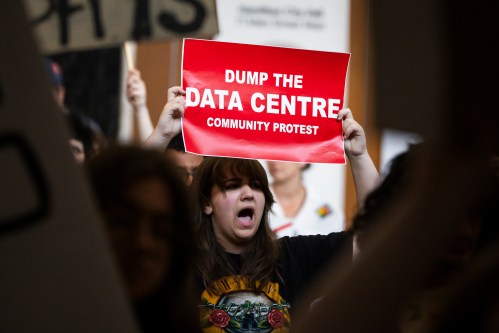
Opposition brewing as data centre capacity is set to explode across Canada
8 minute read Preview Wednesday, Jul. 22, 2026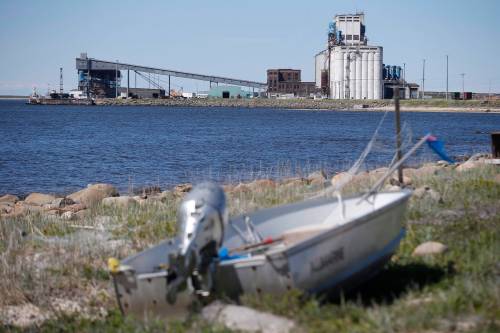
Grain latest Port of Churchill shipment
2 minute read Preview Wednesday, Jul. 15, 2026
Canada pauses applications for parent, grandparent immigration sponsorship program
3 minute read Preview Thursday, Jul. 16, 2026Canadian AI: What kind, and who will own it
5 minute read Wednesday, Jul. 15, 2026What is it we should fear about AI? That it will take our jobs? Overload our electricity networks and make our own energy needs more expensive? Put scarce freshwater resources at risk? Or is it that it will be unregulated, breach privacy laws and be used for a wide range of perverse purposes?
If Canadians are among the most distrustful of the AI revolution, it isn’t because they are uninformed or technologically regressive. Their reluctance is because there is no plan for Canadian AI guided by an overarching public interest.
To the contrary, the hundreds of AI data centre proposals in Canada are driven by an investor frenzy completely disconnected from Canadian needs or economic and social goals.
A Canadian Press freedom of information request from the federal government revealed that power demands from current proposals total more than 20 GW, a massive capacity comparable to the total power needs of all Canadian households, and 25 times greater than the roughly 850 MW the federal government has projected that known sovereign AI proposals will reach by 2030.

U of W falls back on tuition hikes amid budget crunch
5 minute read Preview Monday, Jul. 13, 2026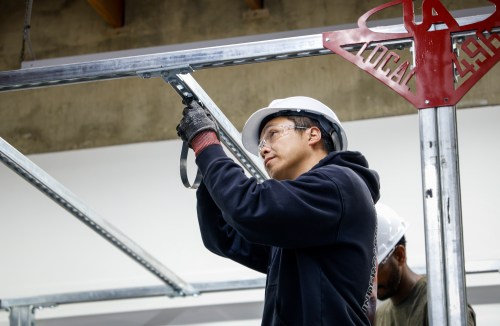
FIFA World Cup, youth job gains gave the labour market a lift in June
5 minute read Preview Sunday, Aug. 2, 2026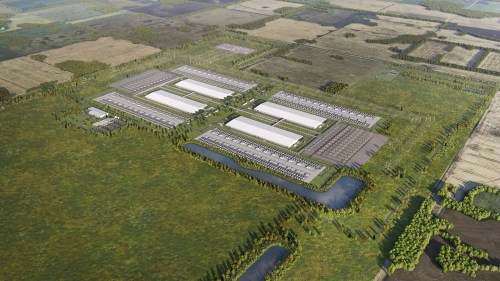
Keeping cool: How Meta plans to cut down on water use at its Alberta data centre
5 minute read Preview Friday, Jul. 10, 2026
Canada objects to Olympics loosening restrictions on Russia athletes amid Ukraine war
4 minute read Preview Sunday, Aug. 2, 2026
Celebrating an important milestone in their new country
4 minute read Preview Wednesday, Jul. 8, 2026
Meta to build $13B data centre north of Edmonton, its first in Canada
6 minute read Preview Thursday, Jul. 9, 2026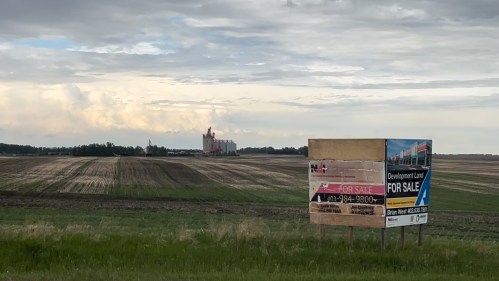
Data centre capacity could soar to 20 GW in planned projects: government document
6 minute read Preview Thursday, Jul. 30, 2026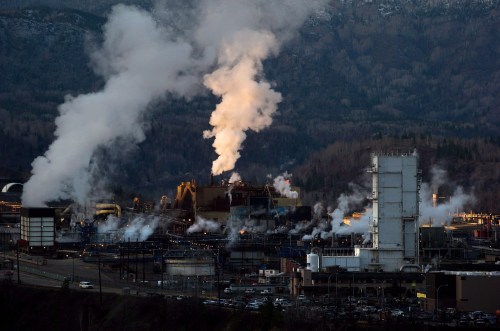
Ottawa to invest up to $400 million in Teck critical minerals smelter in B.C.
5 minute read Preview Thursday, Jul. 30, 2026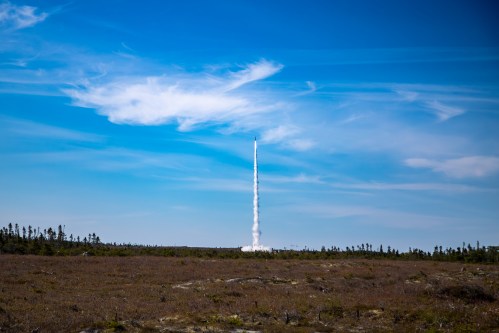
German aerospace company signs 10-year deal to use Nova Scotia rocket launch pad
4 minute read Preview Wednesday, Jul. 8, 2026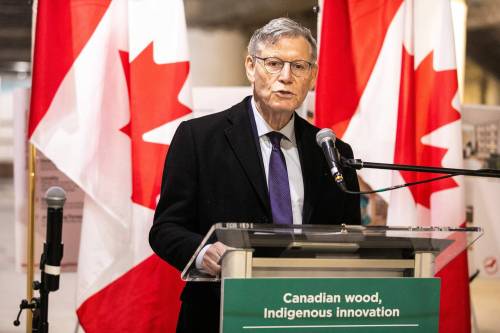
Work permits extended to 2027 for international grads
6 minute read Preview Monday, Jul. 6, 2026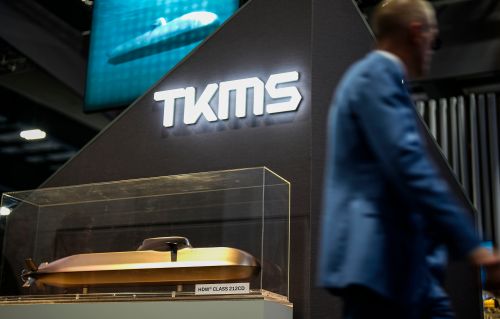
Five things you should know about Canada’s new fleet of submarines
6 minute read Preview Thursday, Jul. 30, 2026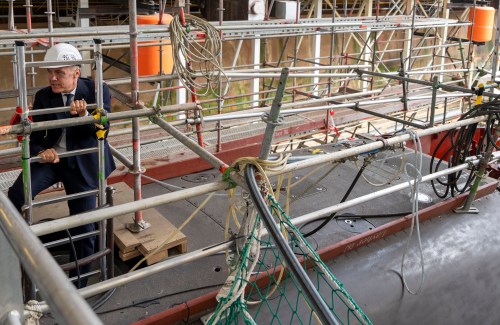
Carney names TKMS preferred sub bidder, hopes to join sub club with Germany, Norway
6 minute read Preview Tuesday, Jul. 7, 2026
Premiers Smith, Ford unveil proposed west-east oil pipeline route
5 minute read Preview Thursday, Jul. 30, 2026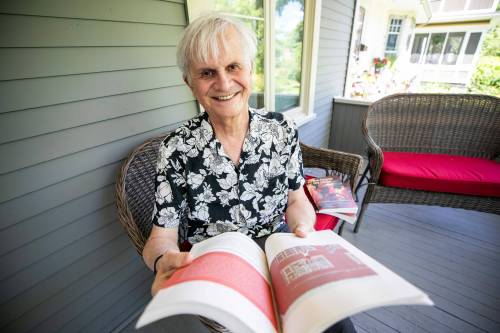
Author George Toles on daily writing and keeping his eyes open
8 minute read Preview Thursday, Jul. 2, 2026
Philippines President Marcos says ‘we share the same aspirations’ as Canada
4 minute read Preview Friday, Jul. 24, 2026
U.S. not renewing trade agreement with Canada and Mexico in ‘current form’
5 minute read Preview Thursday, Jul. 2, 2026