
Diversity and pluralism in Canada
Please review each article prior to use: grade-level applicability and curricular alignment might not be obvious from the headline alone.
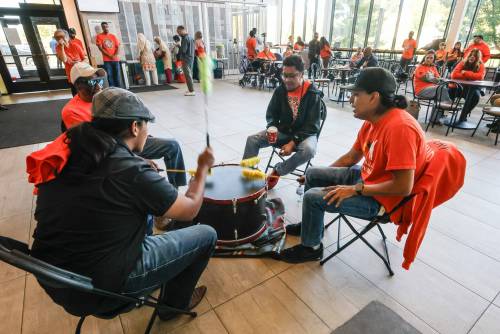
Local Muslims, Indigenous people hold interfaith event
3 minute read Preview Sunday, Sep. 27, 2026
Province invests $3.8M in culinary arts training facility for francophone high school students
3 minute read Preview Sunday, Sep. 27, 2026
An aim to bring everyone together
6 minute read Preview Saturday, Sep. 26, 2026A Recent Maggie Macintosh piece (Enrolment up at alternative schools, Sept. 7) and several letters to the editor touted the benefits and values of private schooling. The executive director of the Manitoba Federation of Independent Schools, Andrew Micklefield, emphasized schools of choice and governmental cost-saving. A private, formerly public, schoolteacher emphasized finances, academics and parental support.
None are wrong in their arguments, but they are missing the main reasons for the existence of public schools, which has less to do with money and academics than with inclusion and equality. Nor do they adequately acknowledge the downsides of exclusion and elitism fostered by some aspects of choice and inequality. The increase in numbers of private schools and their attendees is a cause for some public concern.
Micklefield’s assertion is that private schools save the government money. Letter-writer Paulo Borges intimates he saves the province $52,500 ($15,000 each for three home-schooled children and $7500 for one private-school tuition), further suggesting that the savings are not used wisely by governments in supporting public schools.
In the front-page article, Micklefield and others go further to suggest that the main reason parents choose private schools is to receive an education in a Christian setting. That is a very limited rationale and certainly does not include the much larger variety of reasons why people choose private schooling or an even more restricted version of schools of choice, home schooling.


Positive anticipation is growing about major housing developments underway in Winnipeg’s downtown
10 minute read Preview Friday, Sep. 25, 2026
East St. Paul product’s next wheelchair basketball chapter in Spain’s best men’s division
5 minute read Preview Thursday, Sep. 24, 2026
More than 60,000 Manitobans rely on food bank each month, Harvest Manitoba report says
4 minute read Preview Thursday, Sep. 24, 2026
Oxford English Dictionary adds several words long used in the Caribbean and Bermuda
4 minute read Preview Friday, Oct. 16, 2026
Gillingham promises to make north Main revitalization a second-term priority
3 minute read Preview Tuesday, Sep. 22, 2026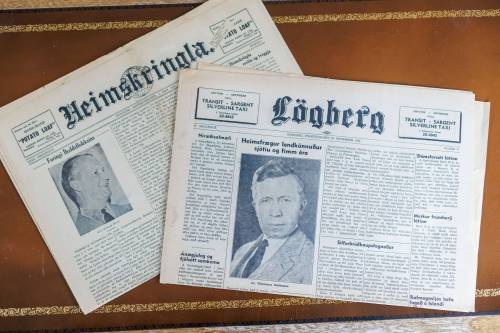
‘We’re small, but we’re strong and mighty’: Lögberg-Heimskringla newspaper celebrates 140 years in Manitoba
6 minute read Preview Monday, Sep. 21, 2026
National Black Canadians Summit celebrates culture, combats racism
4 minute read Preview Saturday, Sep. 19, 2026
Permanent exhibition at human rights museum looks at Black experience in Canada
5 minute read Preview Sunday, Sep. 20, 2026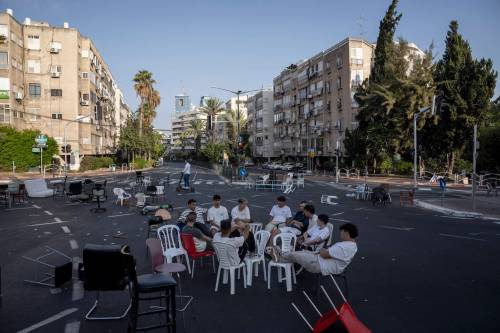
Soul candles ritual connects women to the past
5 minute read Preview Saturday, Sep. 19, 2026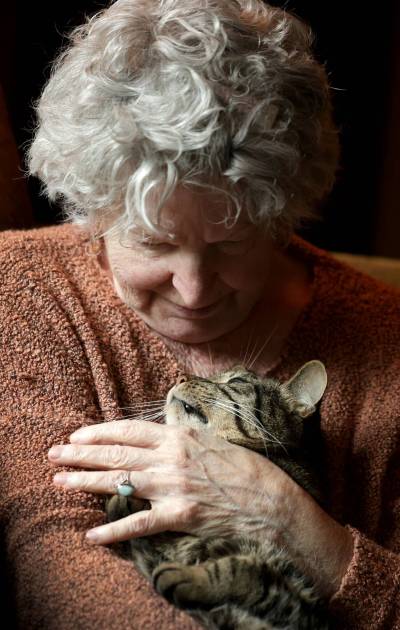
Experts say small companions play huge role in well-being as we age
17 minute read Preview Friday, Sep. 18, 2026
United Way, other charities fight for dollars as donor base shrinks
8 minute read Preview Friday, Sep. 18, 2026
Fiddling and a jig mark ceremony to rename Wolseley-area school
4 minute read Preview Friday, Sep. 18, 2026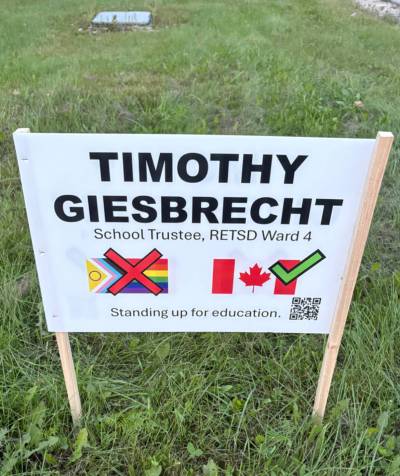
‘Parental rights’ issue resurfaces
5 minute read Preview Thursday, Sep. 17, 2026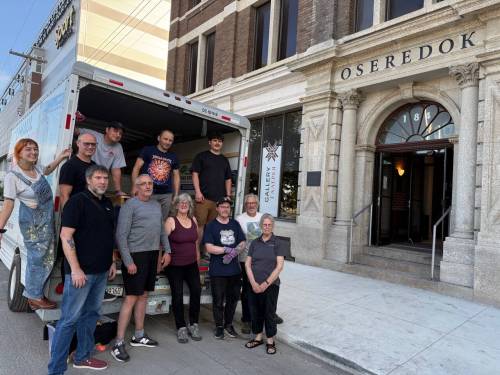
A community brought the Trident Press home
6 minute read Preview Thursday, Sep. 17, 2026
Anglophones hail Quebec ruling ordering elections agency to send bilingual documents
6 minute read Preview Friday, Sep. 18, 2026
Putting together annual fashion show takes many hard-working hands
8 minute read Preview Wednesday, Sep. 16, 2026Winnipeg and choosing its future direction
5 minute read Tuesday, Sep. 15, 2026Winnipeg, the capital of "Friendly Manitoba," is becoming far less friendly to anyone who is struggling to survive. The city is also less and less supportive of the not-for-profit sector which struggles to support those struggling to survive.

Northern style: WAG-Qaumajuq, CBC series partner for runway show
8 minute read Preview Monday, Sep. 14, 2026Treating the disease we simply won’t insure
5 minute read Monday, Sep. 14, 2026There is a condition affecting tens of thousands of Canadians. In 2024, one national measure estimated that almost 120,000 people had the condition. The estimate captures only part of the problem.