Media and Communications
Please review each article prior to use: grade-level applicability and curricular alignment might not be obvious from the headline alone.
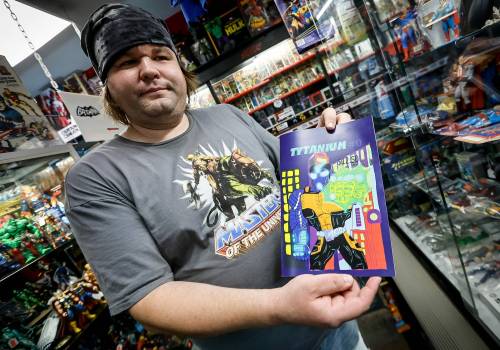
Comic creator unleashes talent with book bound for festival
6 minute read Preview Friday, Sep. 4, 2026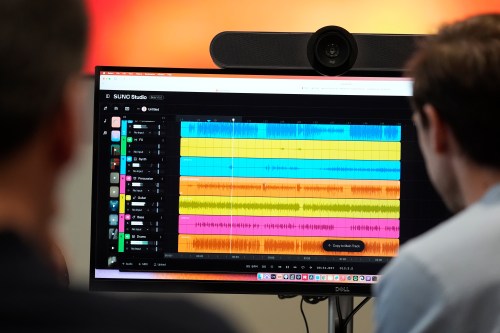
SOCAN sues Suno, alleges AI company copies Canadian music without paying creators
6 minute read Preview Friday, Sep. 4, 2026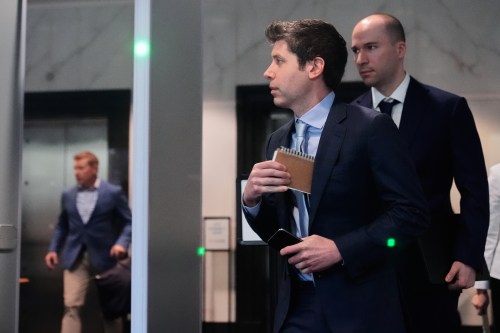
OpenAI faces 30 new lawsuits from witnesses to mass shooting in Tumbler Ridge, B.C.
6 minute read Preview Friday, Sep. 4, 2026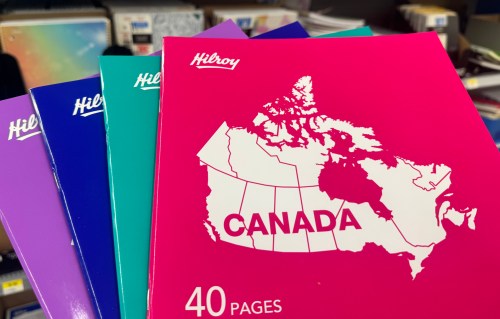
Hilroy says sorry for leaving Newfoundland, Cape Breton off notebooks’ Canadian map
4 minute read Preview Friday, Sep. 4, 2026
A closer look at five standout Canadian titles headed to TIFF 2026
6 minute read Preview Wednesday, Sep. 2, 2026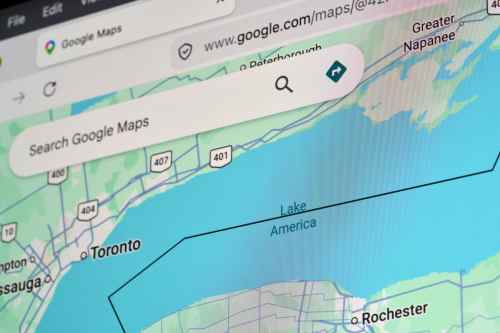
Author says Trump’s ‘Lake America’ order driving hits to guide on ditching U.S. tech
4 minute read Preview Tuesday, Sep. 1, 2026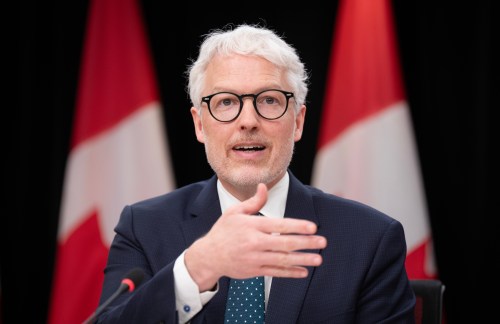
Privacy watchdog takes Google to court in long-running ‘right to be forgotten’ case
3 minute read Preview Sunday, Aug. 30, 2026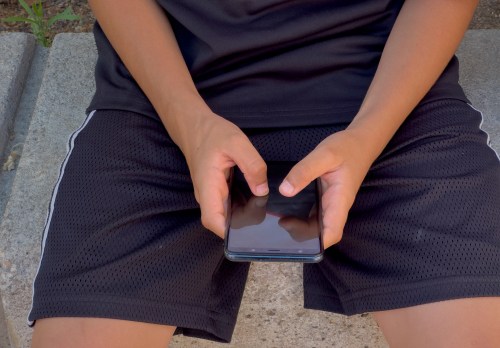
New Brunswick banning student phone use in public schools
2 minute read Preview Monday, Aug. 31, 2026
Emily Wilson’s ‘Odyssey’ became a cultural flashpoint. Now, she’s retranslating the whole thing
8 minute read Preview Wednesday, Sep. 2, 2026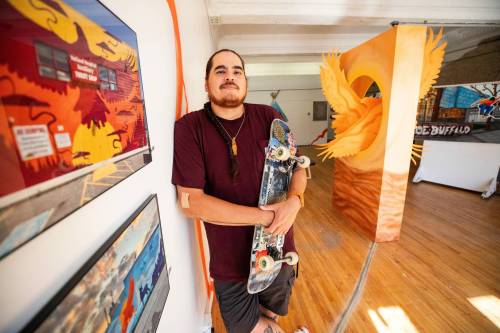
Educating youth major priority for artist Peatr Thomas
5 minute read Preview Friday, Aug. 28, 2026
Meta settlement should be first of many
4 minute read Preview Friday, Aug. 28, 2026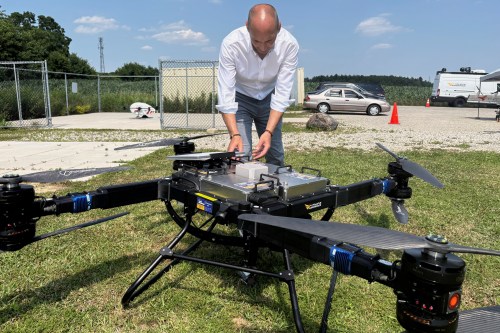
Canada is bolstering its defense industry as US relations fray. A boom is on for local contractors
6 minute read Preview Saturday, Aug. 29, 2026
A look at major lawsuits against Meta and other social media companies over harms to kids
5 minute read Preview Saturday, Aug. 29, 2026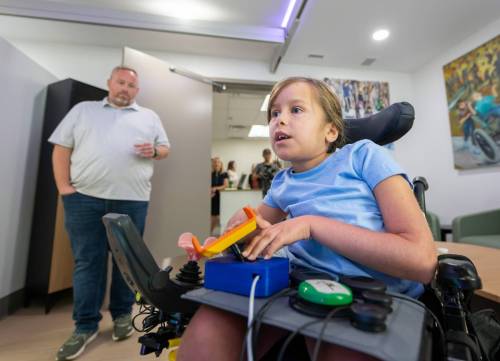
Smart Suite lets families of children with disabilities learn how adaptive design, tech can improve their lives
5 minute read Preview Wednesday, Aug. 26, 2026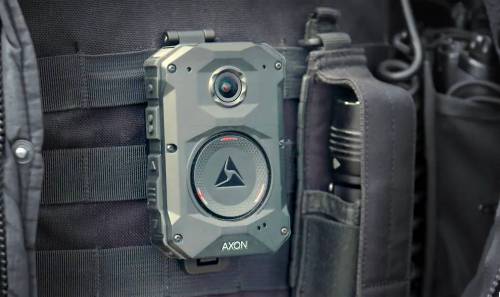
Winnipeg police body cams to feature AI translator
4 minute read Preview Wednesday, Aug. 26, 2026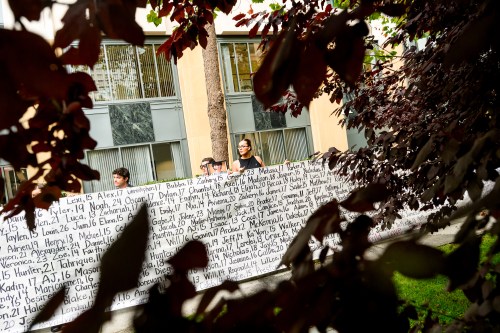
Meta reaches landmark $18 billion settlement with states in trial over teen social media addiction
7 minute read Preview Saturday, Aug. 29, 2026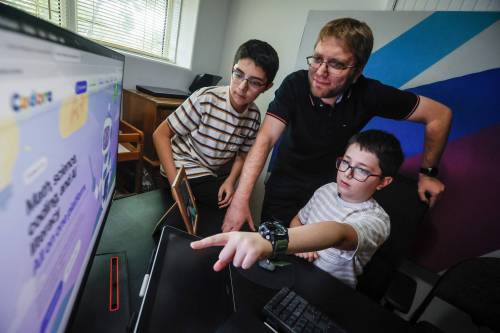
Software engineer who built lessons on AI for kids was ‘terrified’ into action
5 minute read Preview Tuesday, Aug. 25, 2026Private governance or public good
5 minute read Friday, Aug. 21, 2026The Manitoba government recently held public forums to discuss regulations for Bill 51, the Public Sector Artificial Intelligence and Cybersecurity Governance Act. I was able to participate in the meeting in Brandon and there was also a session in Winnipeg.
I was a bit fired up, ready to rail about data centres and phone terms and conditions and generally give it to big tech. The discussion, however, was focused on what the public sector responses should be regarding cybersecurity, data and privacy protections, and AI usage in government.
With all the recent attention on social media bans, the harms of AI, misinformation and the like, I was somewhat disappointed that these would not be tackled directly in this meeting. Those issues may be discussed at future forums.
At this event, as focus groups developed responses, the discussion between private companies and public governance kept getting mixed in, pointing out the reliance of government services on private companies in running their digital operations. As government operations become more dependent on digital infrastructure and towards AI agency and control, rethinking how technology is implemented may be crucial to our democracy.
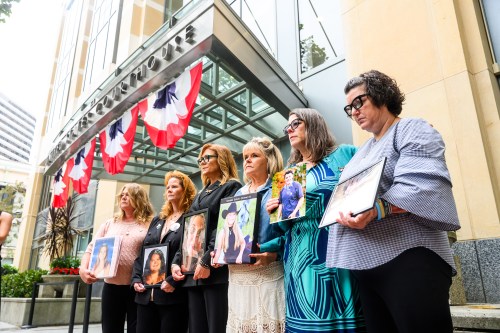
In Meta’s trial, families of social media victims see a pivotal moment for online safety
5 minute read Preview Wednesday, Aug. 19, 2026
From the Plate to the Mic: Several former Blue Jays active in baseball podcast space
5 minute read Preview Tuesday, Aug. 18, 2026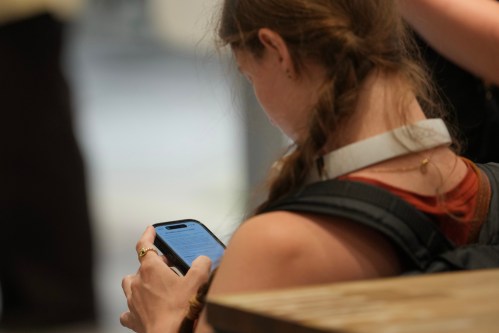
Ottawa wants to block kids from social media. How would age verification work?
7 minute read Preview Monday, Aug. 17, 2026
Rise of social media reflects rise of self-promotion — to the detriment of genuine storytelling
4 minute read Preview Saturday, Aug. 15, 2026
Human cost of AI bubble outweighs tech’s potential
4 minute read Preview Saturday, Aug. 15, 2026