Search Results
Please review each article prior to use: grade-level applicability and curricular alignment might not be obvious from the headline alone.
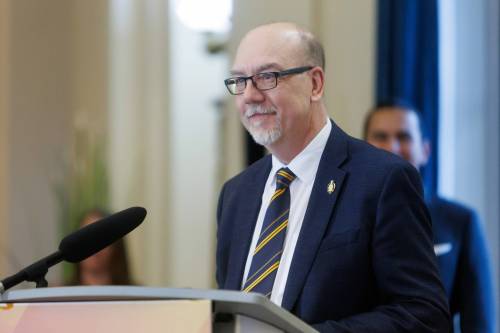
Government wants public input on use of AI
5 minute read Preview Friday, Jul. 31, 2026
Anthropic says its AI models hacked 3 organizations during testing
3 minute read Preview Sunday, Aug. 2, 2026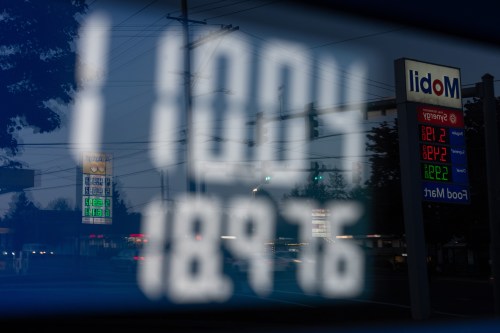
Major oil companies reap massive profits as US and Iran fighting drives energy prices higher
7 minute read Preview Sunday, Aug. 2, 2026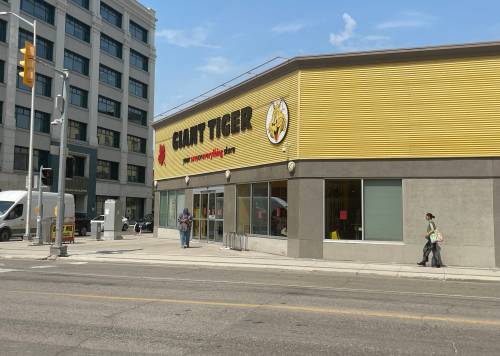
Giant Tiger to close downtown, area residents bemoan dwindling grocery options
4 minute read Preview Thursday, Jul. 30, 2026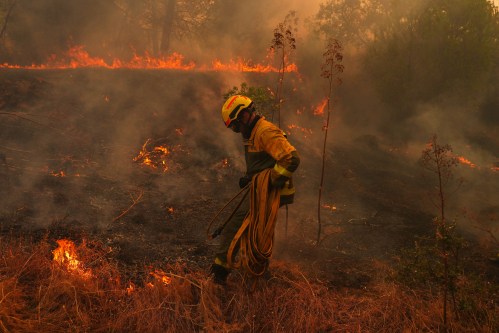
Human-caused climate change made Spanish, French fires much more likely, scientists calculate
5 minute read Preview Sunday, Aug. 2, 2026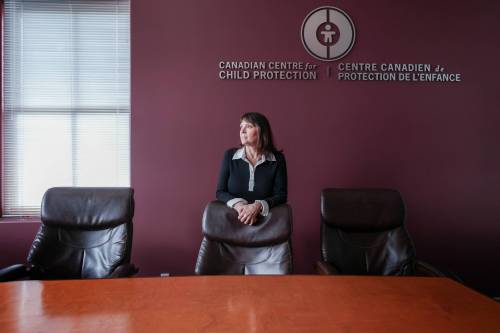
Manitoba law meant to aid survivors of child sexual abuse imagery has never been put to the test
8 minute read Preview Thursday, Jul. 30, 2026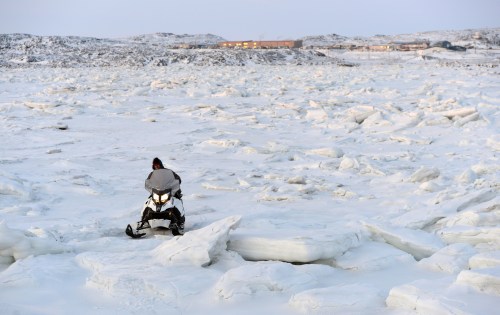
Minister says changes to Nutrition North program set to roll out in the fall
4 minute read Preview Friday, Aug. 21, 2026
Get a little culture: Folklorama celebrates 55 years
5 minute read Preview Friday, Jul. 31, 2026
City’s crisis-response proposal makes too much sense for province to ignore
5 minute read Preview Thursday, Jul. 30, 2026
Ancient mummy DNA provides scientific evidence that colonization brought smallpox to the Americas
3 minute read Preview Monday, Aug. 31, 2026Tanning is getting hot again. Here’s what it really does to your skin
5 minute read Tuesday, Aug. 25, 2026Nichole Sims started using a tanning bed at 15 because she said everyone around her was doing it, especially before events like homecoming dances and prom.
Eight years later, she was diagnosed with melanoma — a potentially life-threatening skin cancer.
During that time, Sims has seen tanning become even more popular among young people online. She tries to counter the misinformation on social media that touts tanning as a mood booster and beauty requirement by sharing her own experience.
“I just feel like our generation doesn’t really look into a lot of risks. They just kind of live in the moment," Sims said.
Measure twice… and try not to hurt yourself
5 minute read Preview Thursday, Jul. 30, 2026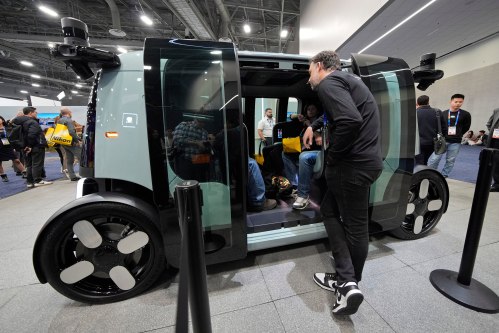
Some robotaxis approved to operate without steering wheels and losing the brake pedal could be next
4 minute read Preview Sunday, Aug. 2, 2026
Poll suggests some Liberal supporters concerned about climate policy are leaning NDP
3 minute read Preview Friday, Aug. 21, 2026
Ottawa opening exports office as part of strategy to diversify trade
3 minute read Preview Friday, Aug. 21, 2026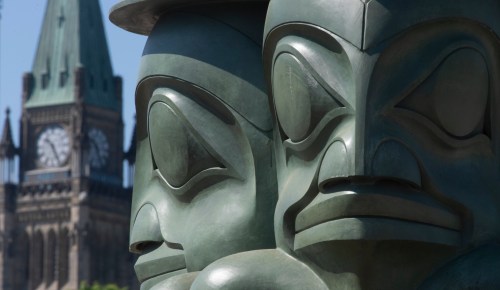
New Indigenous languages commissioner says her job is to support incoming leadership
3 minute read Preview Friday, Aug. 21, 2026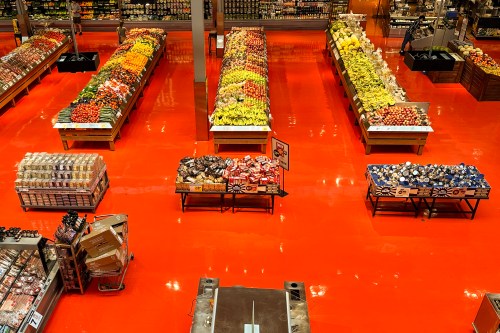
Shoppers flock to the frozen aisle as fresh vegetable prices soar: Loblaw
3 minute read Preview Friday, Aug. 21, 2026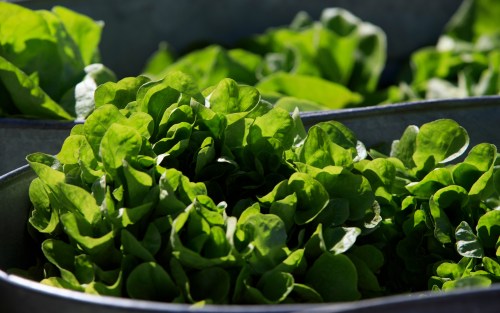
Between prices and a diarrhea-causing parasite, lettuce is causing hard times at some restaurants
5 minute read Preview Sunday, Aug. 2, 2026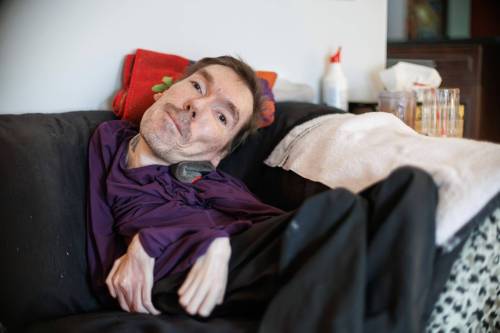
Gaps in homecare leave Winnipeg man in perilous situation
4 minute read Preview Wednesday, Jul. 29, 2026Bracket creep: A stealthy tax increase
4 minute read Wednesday, Jul. 29, 2026About $2,100. That’s how much Premier Wab Kinew’s bracket creep tax hike could cost your family by 2030, depending on how much you make.
Bracket creep is an income tax hike that happens when the government stops indexing tax brackets to inflation. That means that after getting a cost-of-living raise, taxpayers can be bumped into a new tax bracket and have their tax bill increased even though they can’t afford to buy more.
Think about it this way: A raise that only covers higher grocery prices isn’t a real raise. You’re not richer. Your cart costs the same. But the bigger number on your paycheque bumps you into a higher bracket. That means higher taxes on a paycheque that buys the exact same number of groceries as last year.
That’s why most provincial governments and the federal government adjust income tax brackets with inflation.