
Search Results
Please review each article prior to use: grade-level applicability and curricular alignment might not be obvious from the headline alone.

Legault urges stronger U.S.-Canada ties amid trade tensions at summit
3 minute read Preview Monday, Oct. 6, 2025Muslim-Jewish dialogue group encourages empathy
5 minute read Saturday, Oct. 4, 2025Three days after Oct. 7, 2023, Ari Zaretsky received an email message that brought him to tears. The message expressed deep condolences for the massacre of Israeli civilians at the hands of Hamas, and a recognition of the pain and grief that Zaretsky and his family must be enduring.
The email was sent from Wesam Abuzaiter, who, like Zaretsky, worked at Sunnybrook Health Sciences Centre in Toronto. Abuzaiter, a pharmacist, is a Canadian-Palestinian Muslim originally from Gaza. Zaretsky, a psychiatrist, is a Canadian Jew and Zionist.
Together, they are the founders of the Sunnybrook dialogue group.
Abuzaiter and Zaretsky had crossed paths in the hospital a few years before —when he invited her to share her personal journey as an international graduate during an educational session with her colleagues. During that presentation, Zaretsky also shared that he was a child of Holocaust survivors.
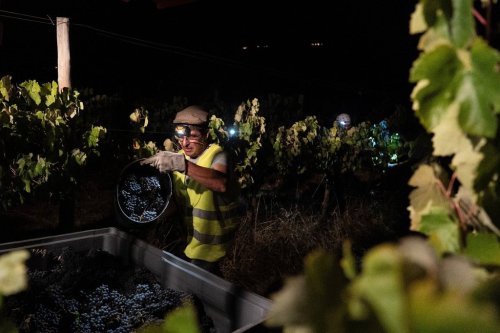
In the cool of a Portugal night, it’s time to pick the grapes
3 minute read Preview Monday, Oct. 6, 2025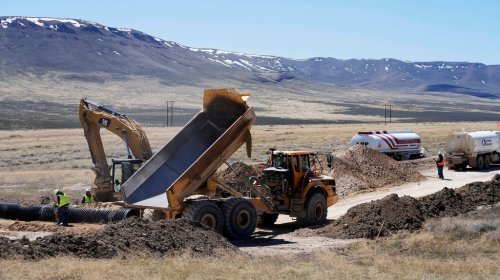
US takes a stake in another company, this one is operating a massive lithium mine in Nevada
3 minute read Preview Friday, Oct. 10, 2025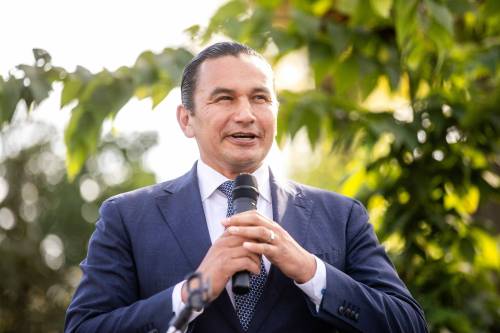
U of M political scientist predicts scrappy fall legislative session
5 minute read Preview Wednesday, Oct. 1, 2025
WNDX Festival celebrates 20 years of avant-garde, cutting-edge cinema
3 minute read Preview Wednesday, Oct. 1, 2025
New study adds to the possibility of favorable conditions for life at Saturn’s moon Enceladus
3 minute read Preview Monday, Oct. 6, 2025Big things are ahead for northern Manitoba.
Political leaders at every level are focused on unlocking the North’s tremendous potential, and what sets this moment apart is the scale — which comes with the need for thoughtful planning that includes people, not just infrastructure, to help us realize the opportunity ahead.
Churchill could emerge as a vital Canadian port, with year-round shipping supported by icebreakers, an upgraded railway and all-weather roads connecting isolated communities. Upgrading Manitoba Hydro’s northern transmission system and investing in new projects like the Kivalliq Hydro-Fibre Link, would deliver clean energy and broadband—opening new possibilities for families and businesses across Northern Manitoba and Nunavut. Major mining initiatives are advancing and have been recognized as nationally significant.
These ambitious undertakings have the potential to transform Manitoba, benefiting all Manitobans — especially those in the North — with good, new jobs. Realizing this future will require people (thousands of them) —welders, carpenters, electricians and heavy-duty mechanics to build and maintain energy and transport systems; operators to construct roads; IT specialists and logisticians to run modern supply chains; and nurses, teachers and social workers to strengthen communities as they grow. With large-scale projects underway across Canada, competition for a skilled workforce will be fierce.
Preparing for a looming cancer crisis
4 minute read Wednesday, Oct. 1, 2025New cancer cases could rise by more than 60 per cent over the next 25 years, according to a study released last week by The Lancet medical journal.
The study forecasts that new cases will surge from 19 million worldwide last year to 30.5 million annually by 2050. Worse still, the death total is predicted to increase by almost 75 per cent, from 10.4 million to almost 19 million each year. More than half of those new cases, and two-thirds of deaths, will occur in low-and middle-income nations.
In Canada and other higher-income nations, the number of new cancer cases and deaths are also predicted to continue increasing, largely due to our aging population, and the fact that citizens in those nations are living longer.
Despite the expected increases in those nations, however, cancer death rates are actually falling. Over the past 25 years, cancer rates have actually declined by nine per cent per 100,000 persons, while the cancer death rate has plunged by 29 per cent.

TikTok as a tool — but for whom?
4 minute read Preview Wednesday, Oct. 1, 2025
A friend is a friend is a friend
5 minute read Preview Wednesday, Oct. 1, 2025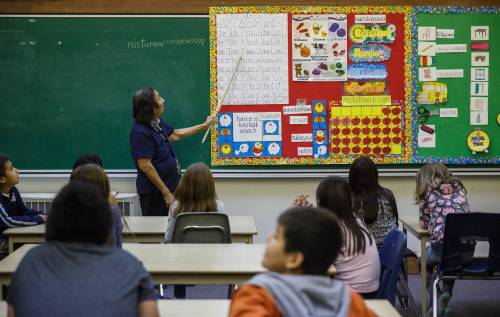
Schools work to fulfil promise afforded by new law supporting Indigenous language
5 minute read Preview Tuesday, Sep. 30, 2025
Thousands mark Truth and Reconcilation Day
4 minute read Preview Tuesday, Sep. 30, 2025
Croft Music plays finale after century-plus in business
3 minute read Preview Tuesday, Sep. 30, 2025
Ski jumper Mackenzie Boyd-Clowes takes to the air again for Canada
5 minute read Preview Wednesday, Oct. 15, 2025
Silenced no more: Indigenous languages celebrated at site of former residential school
4 minute read Preview Tuesday, Sep. 30, 2025
Prolonged drought stunts the renowned wild blueberry crop in the Maritimes
4 minute read Preview Monday, Oct. 6, 2025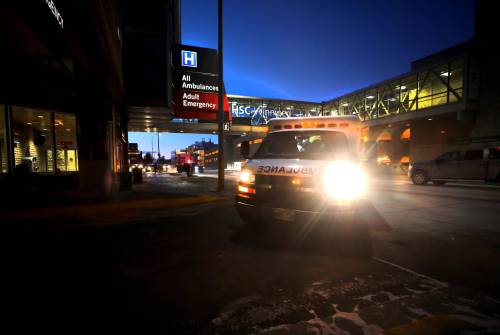
Emergency-vehicle traffic technology pilot a success and city should expand it, WFPS says
4 minute read Preview Monday, Sep. 29, 2025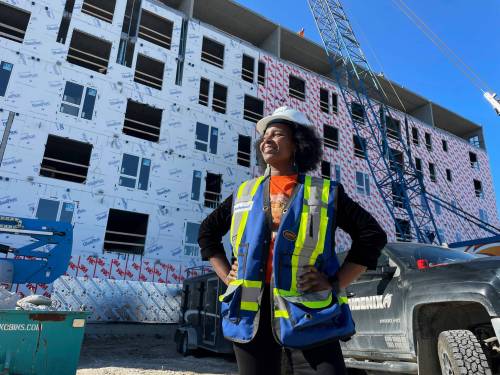
Black-led non-profit developer gets federal funds for affordable housing units in north part of city
3 minute read Preview Monday, Oct. 20, 2025