

THE WRONG CALL
Demands for an inquiry into cases of slain and missing women are misplaced

Advertisement
Read this article for free:
or
Already have an account? Log in here »
To continue reading, please subscribe:

Digital Subscription
One year of digital access for only $205*
- Enjoy unlimited reading on winnipegfreepress.com
- Read the E-Edition, our digital replica newspaper
- Access News Break, our award-winning app
- Play interactive puzzles
*First annual payment billed as $205.00 + GST for one year. This annual subscription will automatically renew at $233.00 + GST every 52 weeks (10% off the regular annual price of $259.35). Offer available to new and qualified returning subscribers only. Cancel any time.
To continue reading, please subscribe:
Add Free Press access to your Brandon Sun subscription for only an additional
$1 for the first 4 weeks*
- Enjoy unlimited reading on winnipegfreepress.com
- Read the E-Edition, our digital replica newspaper
- Access News Break, our award-winning app
- Play interactive puzzles
*Your next Brandon Sun subscription payment will increase by $1.00 and you will be charged $17.95 plus GST for four weeks. After four weeks, your payment will increase to $24.95 plus GST every four weeks.
Read unlimited articles for free today:
or
Already have an account? Log in here »
Hey there, time traveller!
This article was published 01/07/2012 (5214 days ago), so information in it may no longer be current.
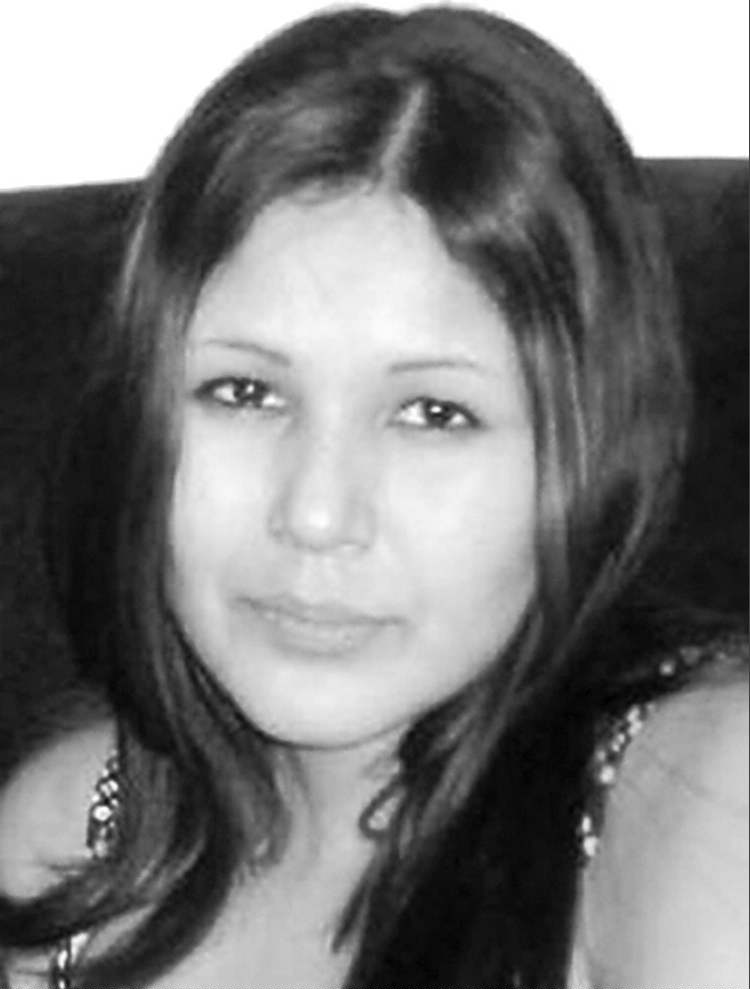
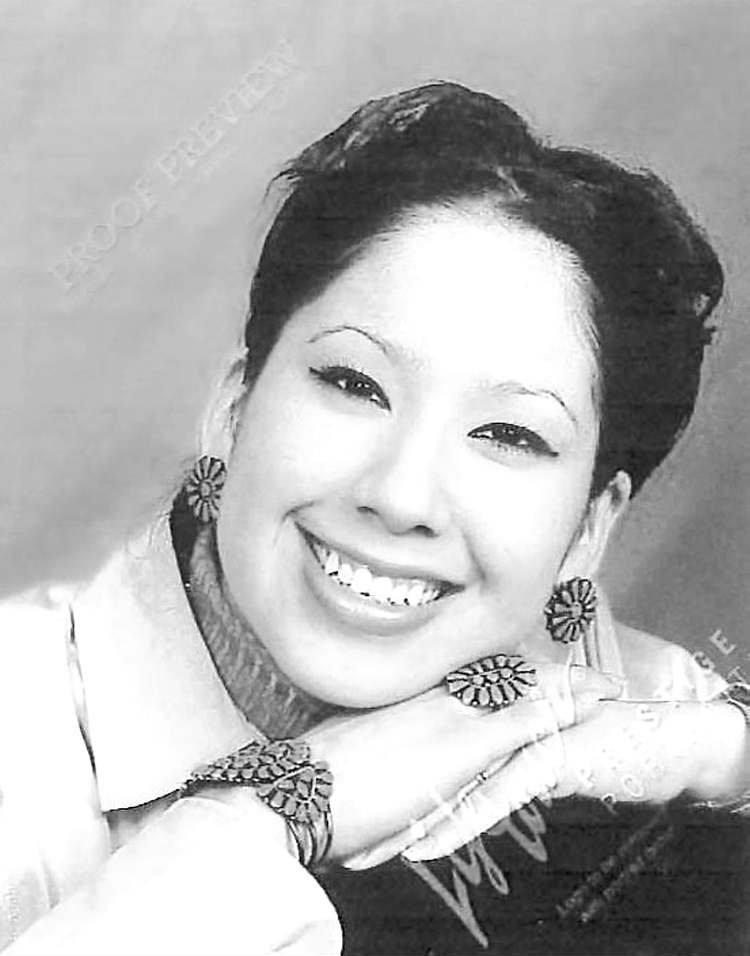
When Shawn Lamb was charged this week in Winnipeg with the unsolved slayings of three aboriginal women, I couldn’t help thinking of Amber Redman.
I learned of Redman’s case while writing an article a few years ago for Chatelaine on the epidemic of unsolved slayings and disappearances of aboriginal women. A member of the Standing Buffalo Dakota First Nation, north of Regina, Redman, 19, disappeared in July 2005 from the parking lot of the Trapper’s Bar in nearby Fort Qu’Appelle. For more than three years, her disappearance confounded police, devastated her family and infuriated her community, many of whom believed police simply weren’t trying hard enough to find her because she was aboriginal.
In May 2008, RCMP arrested Albert Bellegarde, a member of the Little Black Bear First Nation 70 kilometres northeast of Fort Qu’Appelle. In 2009, he pleaded guilty to second-degree murder. Although the conviction brought closure to Redman’s family, there were still lingering concerns.

While Redman was classified as “missing,” she was one of the faces of a growing national movement to draw attention to the plight of unsolved slayings and disappearances of aboriginal women. And yet, she did not fit the typical victim profile. She did not live a high-risk lifestyle. Redman had good family support and was reported missing the morning after she got into Bellegarde’s car. And perhaps most importantly, despite the fact Redman had been portrayed as a victim of a violence born of racism, she in fact died at the hands of an aboriginal man.
Redman’s case seems highly relevant in the wake of the Lamb arrest. Almost immediately, aboriginal leaders demanded a public inquiry to expose the systemic discrimination they believe has made First Nations women vulnerable to crimes of violence, and police forces less likely to spend the time finding the perpetrators. This has expanded into calls for a national inquiry.
The chiefs and other advocates are not wrong; there are documented cases — including most notably the 1971 Helen Betty Osborne murder in Manitoba — where racism was both a motive for a crime and for a lethargic response from law enforcement. And there is no doubt that because aboriginal women are disproportionately represented in the ranks of the poor, the substance abusers and sexually exploited, they are disproportionately represented as victims of this particular form of crime. However, there is more to these crimes than racism.
It would be tough to accuse police of lethargy in either the Redman case or in the investigation of the three slayings that led to Lamb’s arrest. Winnipeg police made an arrest nine months after the first of the three victims was killed. In the Redman case, although it did take Saskatchewan RCMP three years to find her killer, they clearly never gave up hope of solving it.
As for racial motives, it is unknown yet whether race played a role in the three Winnipeg slayings. In the Redman case, if police had focused solely on the issue of race, they might have missed the fact she died at the hands of an aboriginal man. The same could be said about Robert Pickton’s victims in Vancouver, who were both aboriginal and white, connected primarily through their high-risk lifestyle. The problem in the Pickton case was Vancouver police viewed the victims as dysfunctional women who were not worthy of justice. This horrendous disinterest was shown to aboriginal and non-aboriginal victims alike.
It is for these reasons the demands for an inquiry were somewhat misplaced. There is no way to deny a deeper investigation of this kind of crime would produce greater insight into both the minds of the criminals and the culture of law enforcement. However, the Lamb arrest is evidence law-enforcement agencies have a new, heightened sense of urgency about investigating unsolved slayings and disappearances. This arrest stems in part from a decision three years ago to create a special investigation task force dedicated to these cases. With similar task forces operating across the country, there are signs police are taking the problem seriously, which could not be said in the past.
That is not to deny there is still much work to do. Police need to continue improving on analytic methodologies and data collection, to help them identify possible suspects sooner. There must also be better information-sharing among police agencies; we still do not have a truly comprehensive, national database on unsolved slayings and disappearances.
There must also be better detection, and public warning, of possible serial crimes. From Pickton in Vancouver, to Paul Bernardo in the Toronto suburbs, there are far too many times when police agencies failed to connect the dots between similar crimes, either within their jurisdictions or in other jurisdictions.

In defence of police, this is a case where there is far too much emphasis on law enforcement as the principal tool to fix this problem. Police work only becomes an issue after a vulnerable woman has gone missing or been slain. Police have very little role in mitigating the dysfunction, substance abuse and exploitation that seems to almost always precede the violence against these women.
Demands for a public inquiry will likely continue. And while there is no doubt much would be revealed through such a process, it does not address the central issue. Before we strike a commission of inquiry to investigate systemic discrimination, we need more effort and resources to protect vulnerable women, aboriginal and non-aboriginal alike.
Winnipeg police should be commended for their work in apprehending alleged serial killer Lamb. It is evidence police have heard the concerns of the past, and are making the effort to change their approach for the future.
As for the demands for an inquiry, it is essential we all recognize these crimes are complex, and so are the solutions. Limiting ourselves to just one aspect or factor will not help protect the women of all race, creed and colour who fall prey to these crimes.
dan.lett@freepress.mb.ca
Interactive map: Manitoba’s missing and murdered women
Red markers indicate locations of slain women, while blue markers indicate the last locations of missing women. Click on any marker for more details on the case. Use the controls at top left to zoom in and out on the map, and click and drag on the map to move around.
This list is a working document that will be updated frequently. We welcome corrections, additions and criticism. Please email maryagnes.welch@freepress.mb.ca.
Dan Lett is a columnist for the Free Press, providing opinion and commentary on politics in Winnipeg and beyond. Born and raised in Toronto, Dan joined the Free Press in 1986. Read more about Dan.
Dan’s columns are built on facts and reactions, but offer his personal views through arguments and analysis. The Free Press’ editing team reviews Dan’s columns before they are posted online or published in print — part of the our tradition, since 1872, of producing reliable independent journalism. Read more about Free Press’s history and mandate, and learn how our newsroom operates.
Our newsroom depends on a growing audience of readers to power our journalism. If you are not a paid reader, please consider becoming a subscriber.
Our newsroom depends on its audience of readers to power our journalism. Thank you for your support.
Dan Lett is a columnist for the Free Press, providing opinion and commentary on politics in Winnipeg and beyond. Born and raised in Toronto, Dan joined the Free Press in 1986. Read more about Dan.
Dan’s columns are built on facts and reactions, but offer his personal views through arguments and analysis. The Free Press’ editing team reviews Dan’s columns before they are posted online or published in print — part of the our tradition, since 1872, of producing reliable independent journalism. Read more about Free Press’s history and mandate, and learn how our newsroom operates.
Our newsroom depends on a growing audience of readers to power our journalism. If you are not a paid reader, please consider becoming a subscriber.
Our newsroom depends on its audience of readers to power our journalism. Thank you for your support.
Related Articles
How many women? Vigil tonight for families of slain women
Advertisement Advertise With Us
Advertisement Advertise With Us