Back to the future?
Political landscape gives Liberals hope they will party like it's 1988
Advertisement
Read this article for free:
or
Already have an account? Log in here »
To continue reading, please subscribe:
Digital Subscription
One year of digital access for only $1.44 a week*
- Enjoy unlimited reading on winnipegfreepress.com
- Read the E-Edition, our digital replica newspaper
- Access News Break, our award-winning app
- Play interactive puzzles
*Billed as $5.77 plus GST every four weeks. After 52 weeks, price increases to the regular rate of $19.95 plus GST every four weeks. Offer available to new and qualified returning subscribers only. Cancel any time.
To continue reading, please subscribe:
Add Free Press access to your Brandon Sun subscription for only an additional
$1 for the first 4 weeks*
- Enjoy unlimited reading on winnipegfreepress.com
- Read the E-Edition, our digital replica newspaper
- Access News Break, our award-winning app
- Play interactive puzzles
*Your next Brandon Sun subscription payment will increase by $1.00 and you will be charged $17.95 plus GST for four weeks. After four weeks, your payment will increase to $24.95 plus GST every four weeks.
Read unlimited articles for free today:
or
Already have an account? Log in here »
Hey there, time traveller!
This article was published 19/03/2016 (3733 days ago), so information in it may no longer be current.
A generation ago, an unpopular NDP administration faced electors at a time of soaring Autopac rates and a taxpayer bailout of the telephone system.
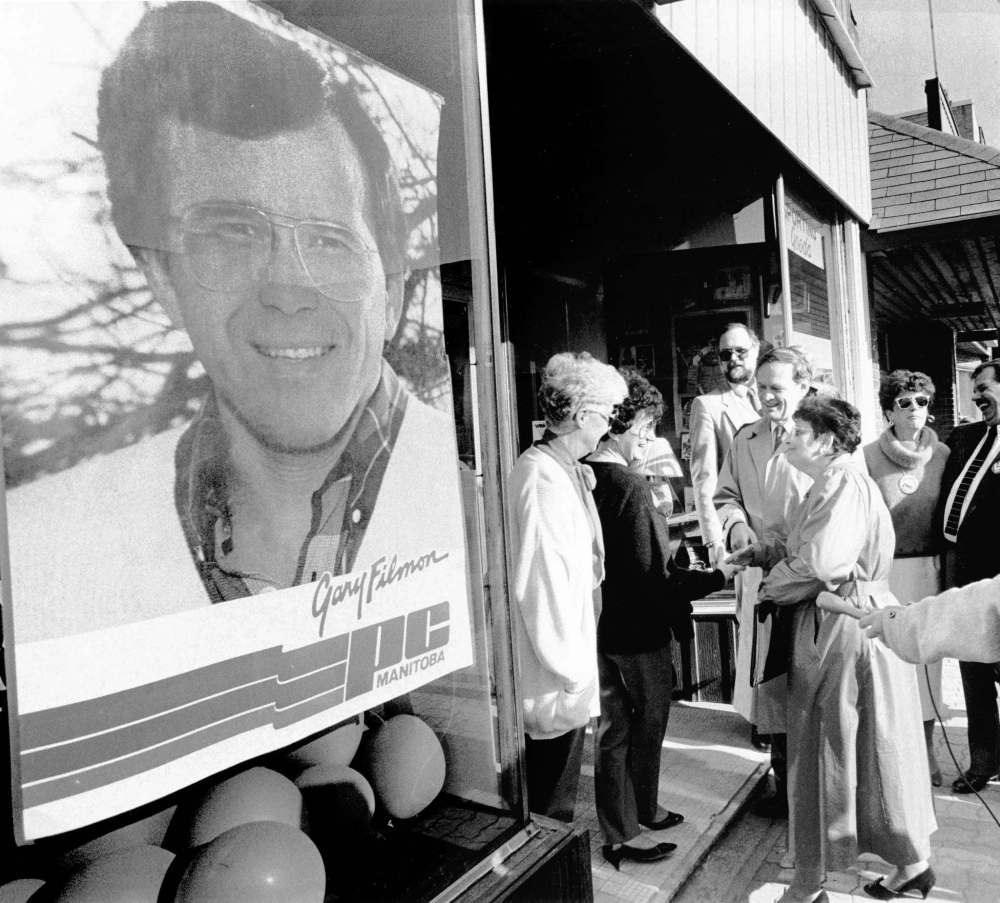
The Progressive Conservatives were led by a man who was still relatively unknown to voters.
The Liberals, with only a single seat in the legislature, were led by a woman.
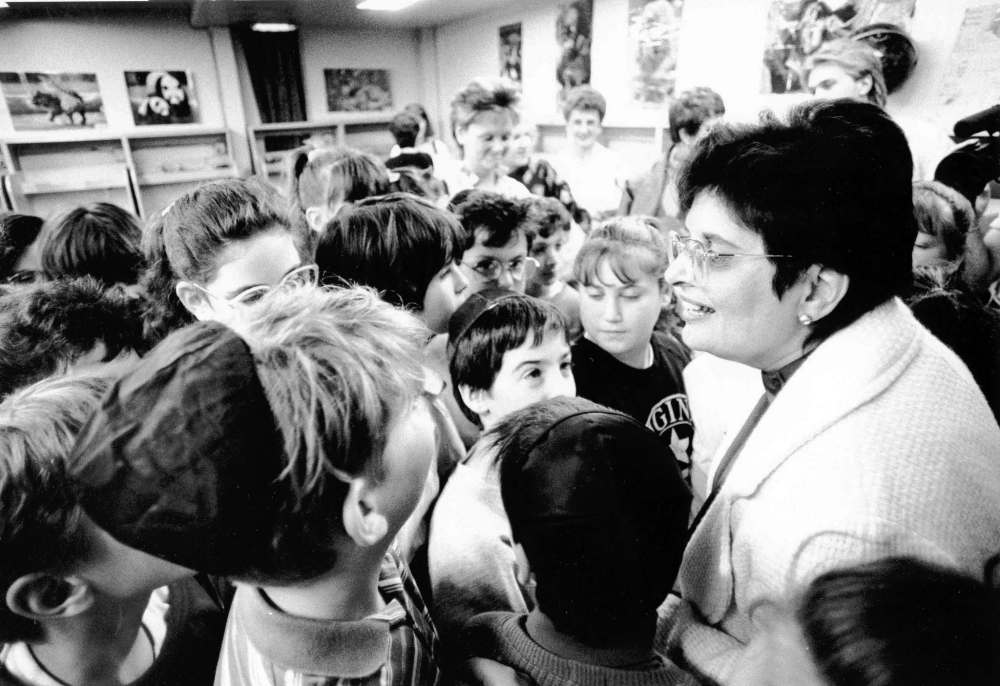
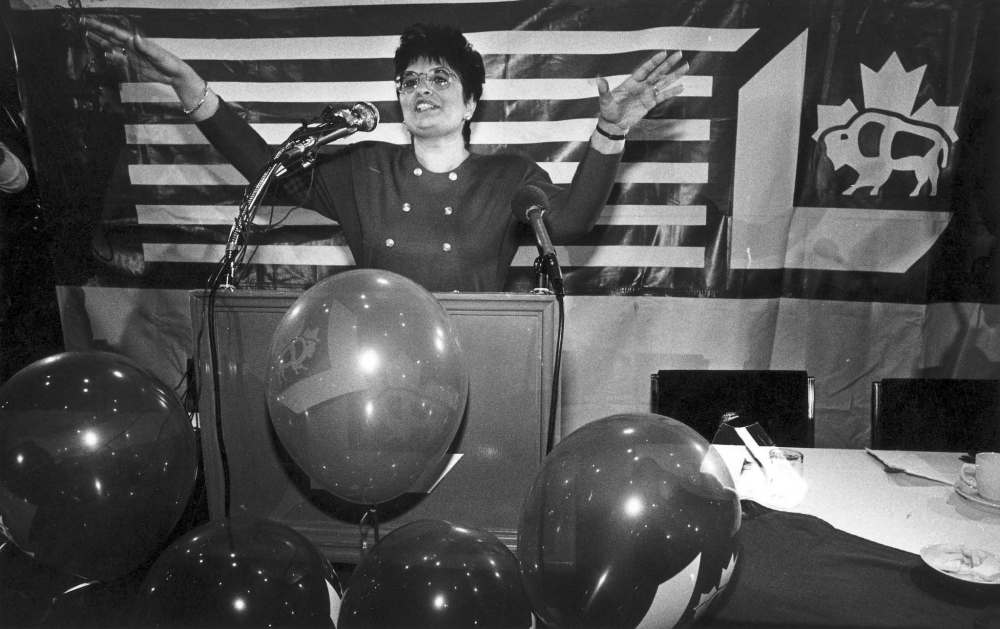
The 1988 Manitoba general election was one of the most fascinating in the province’s history. The NDP fell from first to third, hanging onto just a dozen seats (the party had feared an even worse result); Gary Filmon’s PCs captured one fewer seat than they did in 1986, yet formed a minority government; and, “the woman in red” — Sharon Carstairs — stunned the province by seizing 20 seats and Opposition status for the Grits.
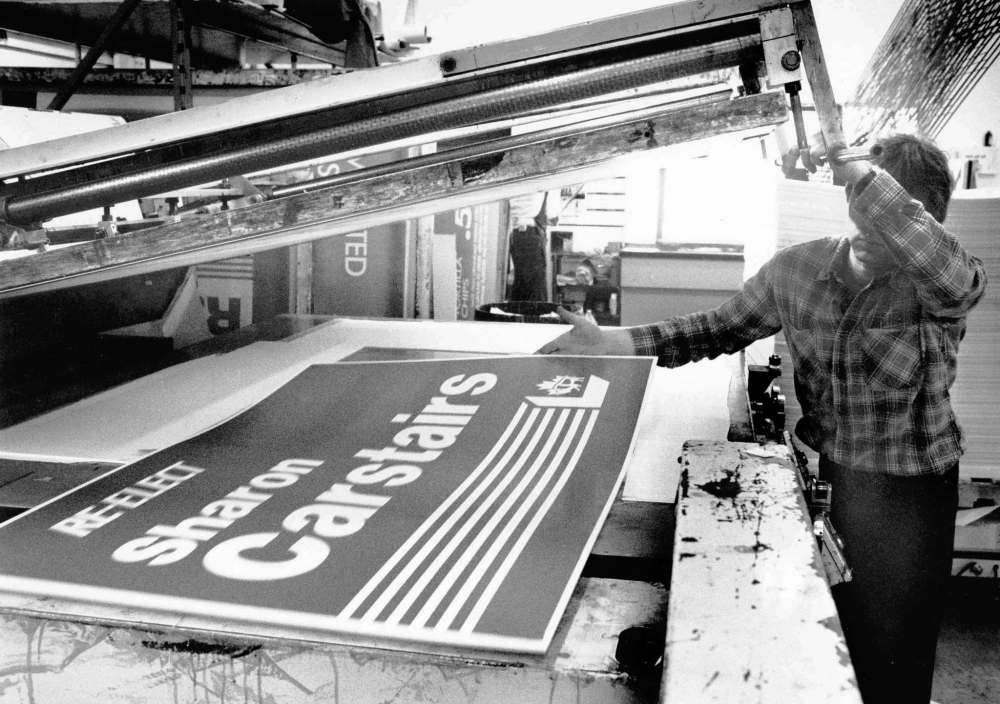
Many of the circumstances that existed 28 years ago are playing out once again as election day approaches April 19.
Greg Selinger leads an unpopular NDP government that surprised voters with a PST hike three years ago. Many in his party feel a second-place finish is the best the NDP can attain this time.
Voters have not particularly warmed up yet to Brian Pallister. A poll this week indicated the PC leader is less popular than his party.
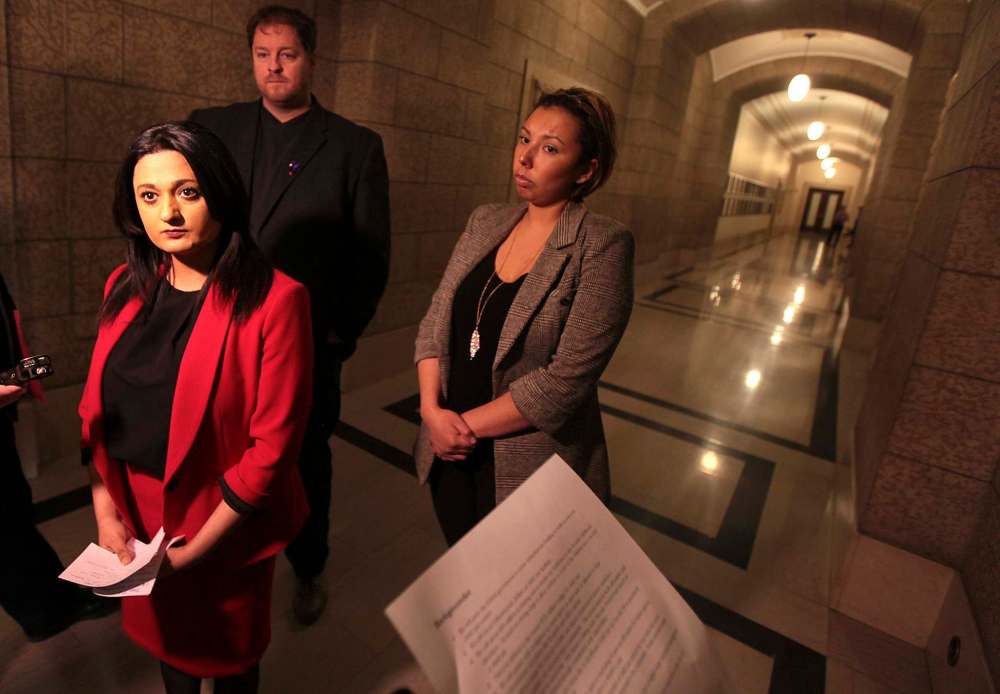
Meanwhile, the Liberals, under Rana Bokhari, have seen a rejuvenation in their popularity — although it’s difficult to say whether their polling numbers, currently above those of the governing NDP, will stand up to the rigours of an election campaign.
For the first time in several elections, Manitoba truly is a three-horse race. And the provincial Liberals have more reason to hope for a double-digit seat count than they have since they were led by Carstairs, the daughter of a former Nova Scotia premier and senator.
Reached recently at her Ottawa home, Carstairs said she sees some “incredible comparisons” between 1988 and 2016.
“What we had in 1988 was the perfect storm, if you will,” she said, citing the NDP’s unpopularity due to a sharp rise in car-insurance rates and a scandal involving a Manitoba Telephone System subsidiary in Saudi Arabia.
“You had a government that was long in the tooth and was considered tired by the public. This is a similar condition, I would say, to right now.”
Further, Carstairs asserted, Pallister, like Filmon in 1988, is “considered extremely to the right of the party,” she said of the current Tory leader.
What is different this time around, she said, is in 1988, the NDP changed leaders during the election campaign, with Gary Doer succeeding Howard Pawley when the latter stepped down after the government was defeated on a budget vote in the legislature.
Also, Bokhari has less political experience than Carstairs, who had won the Liberals’ sole seat (River Heights) in the 1986 election.
“There is an opportunity (in this election) but whether they (the provincial Liberals) can capitalize on that opportunity, only time will tell,” Carstairs said.
How much of an opportunity is there for the Liberals this time around? A glance at the party’s recent polling numbers offers some insight.
In a December poll for the Free Press, Probe Research pegged Liberal support among decided voters at 29 per cent — a high-water mark in recent years. In 1990, the Liberals won seven seats with 28 per cent of the vote, losing their official opposition status to the NDP, which rebounded with 20 seats on 29 per cent of the vote.
When Carstairs captained her troops to 20 seats in ‘88, the party captured 35 per cent of the popular vote but it didn’t begin the campaign with that heady level of support. Carstairs recalled a poll conducted before the election began that placed the Liberals at only 23 per cent. The Grits made up a lot of ground during the campaign.
Minister of Natural Resources Jim Carr was the provincial Liberal candidate in Fort Rouge in 1988. He said party expectations were modest heading into the campaign.
“We thought three to five (seats),” Carr said recently, listing off River Heights, Fort Rouge and Osborne as the most likely at the time. The Liberals would take those and 17 others.
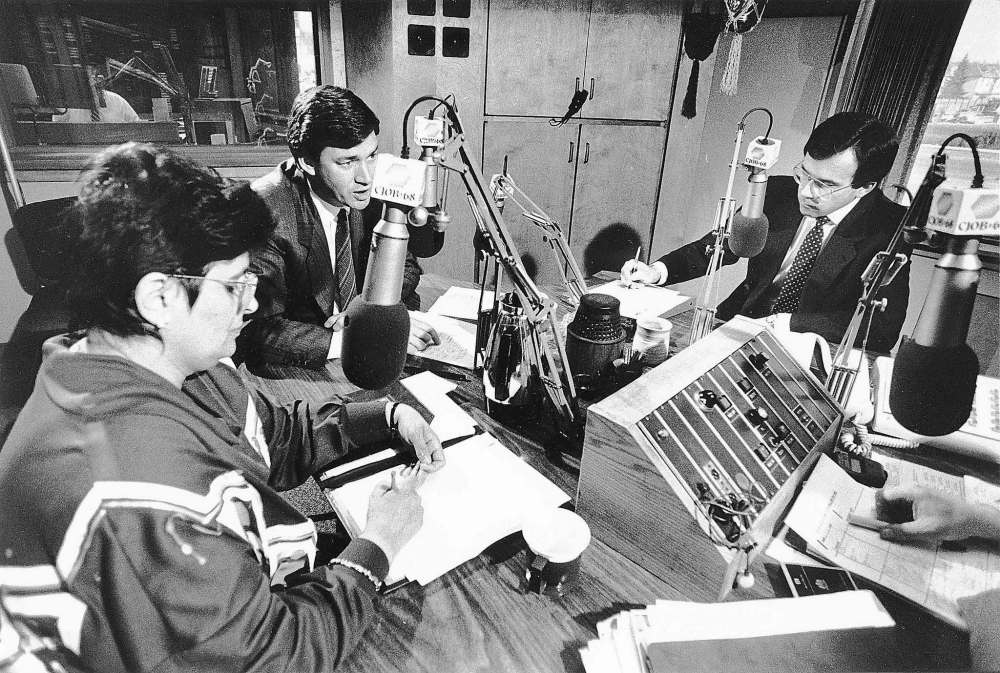
Carr said he remembers the precise moment the tide turned: during a televised leaders debate, Carstairs’ two male counterparts, Doer and Filmon, started to shout at each other.
“They were vociferous and aggressive,” Carr said. “And Sharon, at one moment, said, ‘Gentlemen! Gentlemen!’ And that was it. I could feel and hear at the door that that was a transition moment in the campaign.”
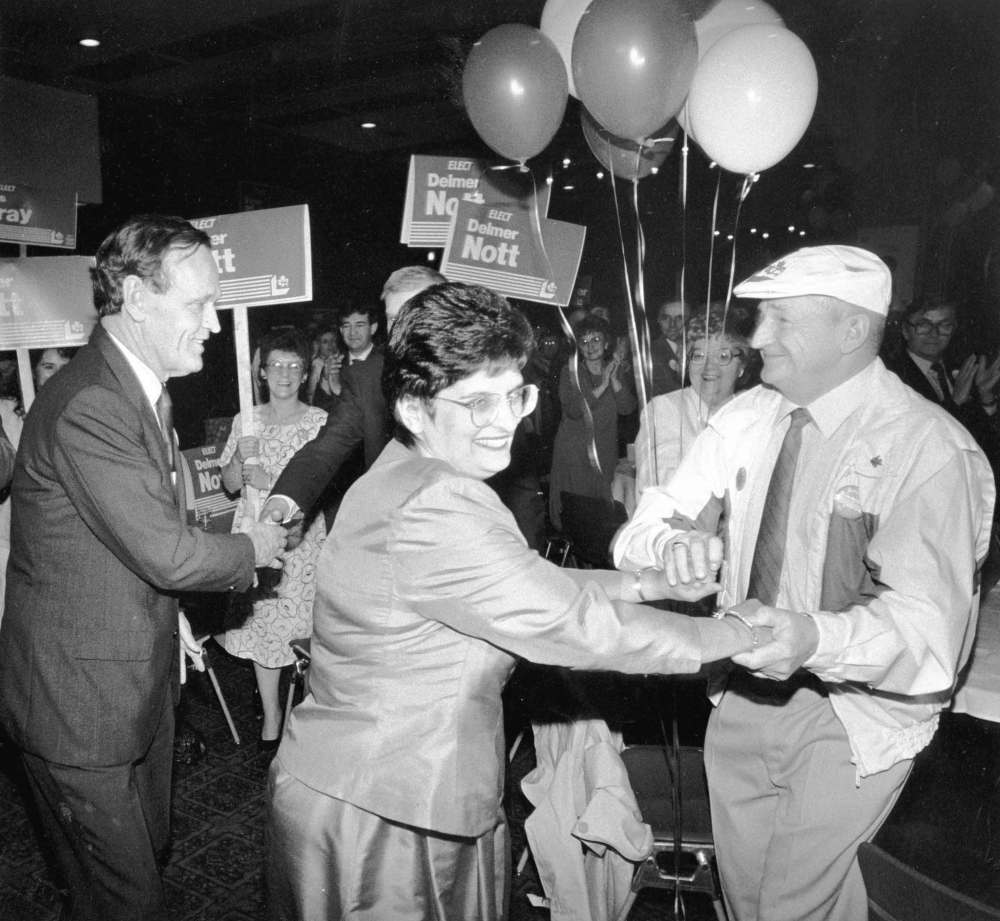
Carr said the Liberal campaign took off from that moment. “All of a sudden, we hit a tipping point — and picked up seats that we never in a million years thought possible.”
Could that same thing happen again for the Liberals in 2016?
“The dynamics are very similar,” Carr said. “We’ll see.”
The Manitoba Liberals are much better positioned to fight a campaign than they were in 2011.
Not only are they higher in the polls, but they seem to have attracted a better group of candidates (including former NDP executive member Tyler Duncan, who is running in The Pas).
They’re helped by the fact the Liberals are in power federally, and the bloom has not faded from Prime Minister Justin Trudeau’s rose.
The Manitoba Liberals have an energy they lacked last time out (2011) when a few high-ranking members openly advocated that the party faithful vote for such NDP stalwarts as Theresa Oswald in Seine River and Sharon Blady in Kirkfield Park to prevent the Tories from gaining those seats. There is no hint of such talk this time around.
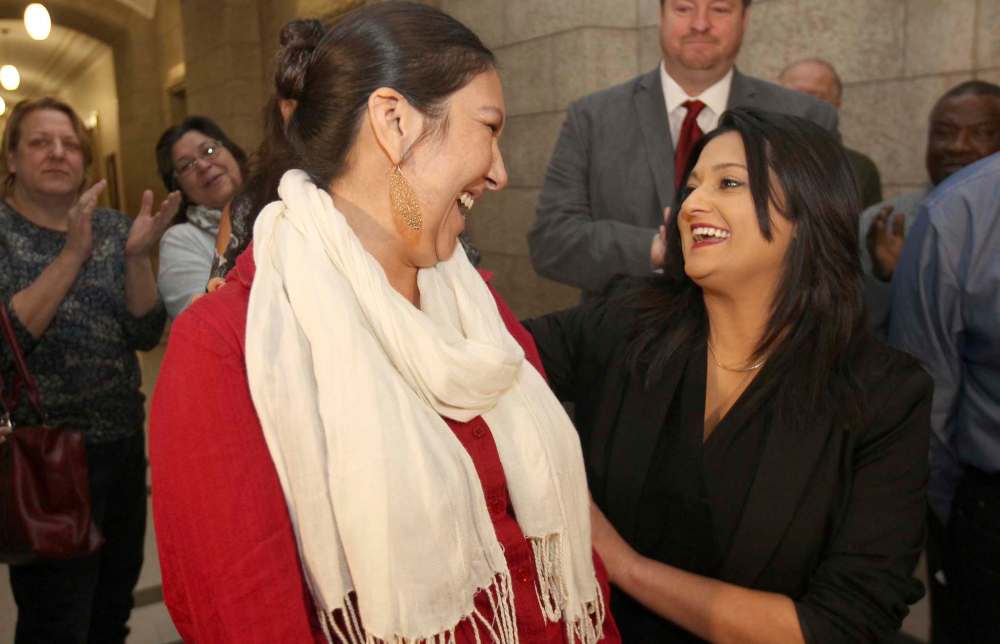
The Liberals under Bokhari have attracted a well-known face in former television anchor Peter Chura to run in Seine River. In Point Douglas, the “bannock lady,” Althea Guiboche is challenging NDP incumbent Kevin Chief.
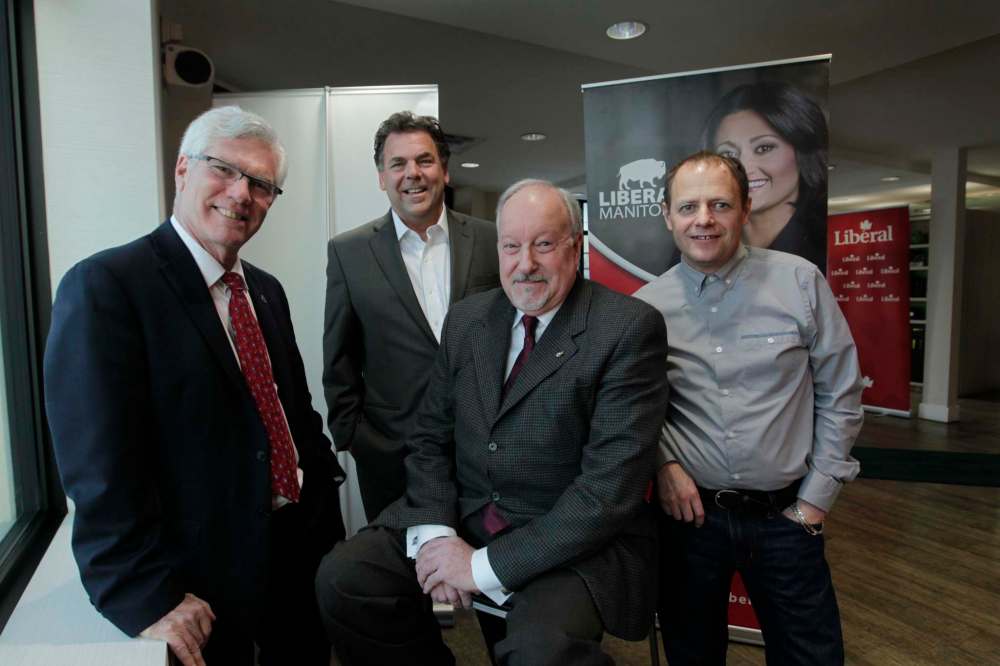
Winnipeg restaurateur Noel Bernier is another quality candidate lending some heft to the Grit effort. Well-spoken and a constant presence at Bokhari’s side at news conferences, Bernier was originally nominated to run in Point Douglas but gave way to Guiboche.
Bernier, who is Métis, turned to neighbouring St. Johns as his place to do battle — even before the incumbent, NDP veteran Gord Mackintosh, announced he would not run again. Bernier told a candidates forum at the party’s recent annual general meeting he had not played an active role in politics until last October’s national election.
“I didn’t like the Canada that was happening around me,” he said of the former government led by Stephen Harper. “I didn’t like the Canada that was happening for my children and my grandchildren. I got a call to action, so I volunteered for a campaign.”
He would become Liberal candidate Rebecca Chartrand’s campaign manager as she squared off against one of the most formidable NDP MPs in the country, Niki Ashton, in Churchill—Keewatinook Aski.
“That campaign had almost nothing. We had a handful of people,” Bernier said. “If I had a dollar for every time somebody said, ‘You can’t win that,’ I wouldn’t have to fundraise for this campaign.”
Chartrand would take 42 per cent of the vote to Ashton’s 45 per cent. The margin of victory was less than 1,000 votes.
Bernier uses the story to rally his fellow provincial candidates to work hard. “The only thing you’re going to regret is not going all-in.”
One big difference between 1988 and 2016 is the experience and — at this stage — the ability of the two Liberal leaders.
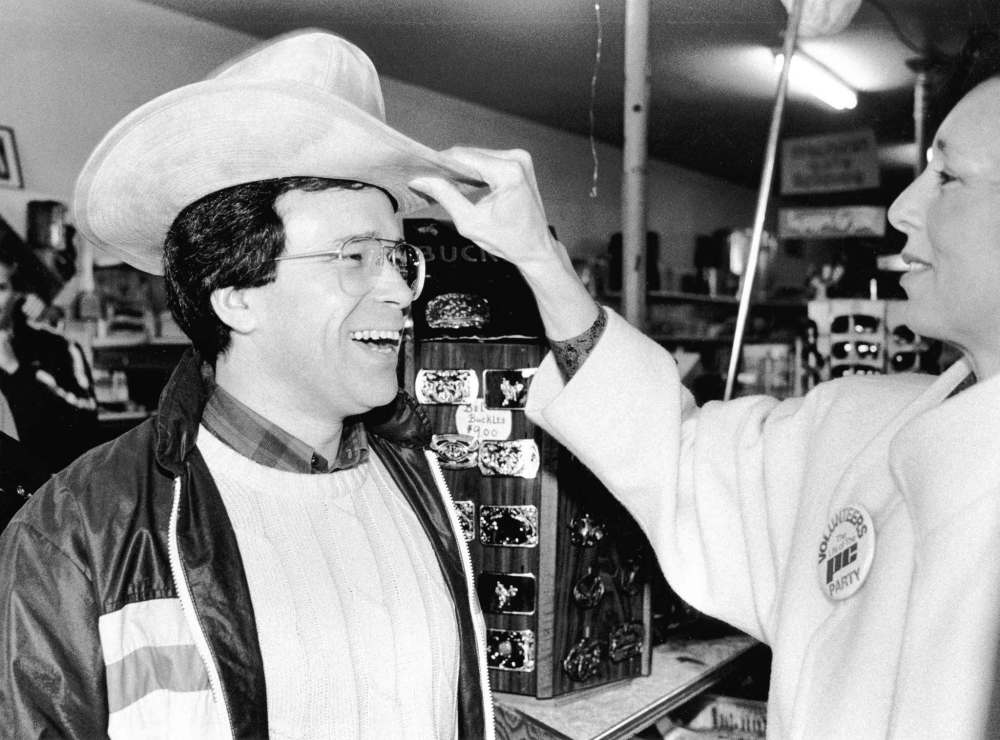
Carstairs grew up in a political family in Nova Scotia and had served for two years in the Manitoba legislature as the member for River Heights before the election that would propel her to national prominence. She was an effective communicator and the party’s biggest asset.
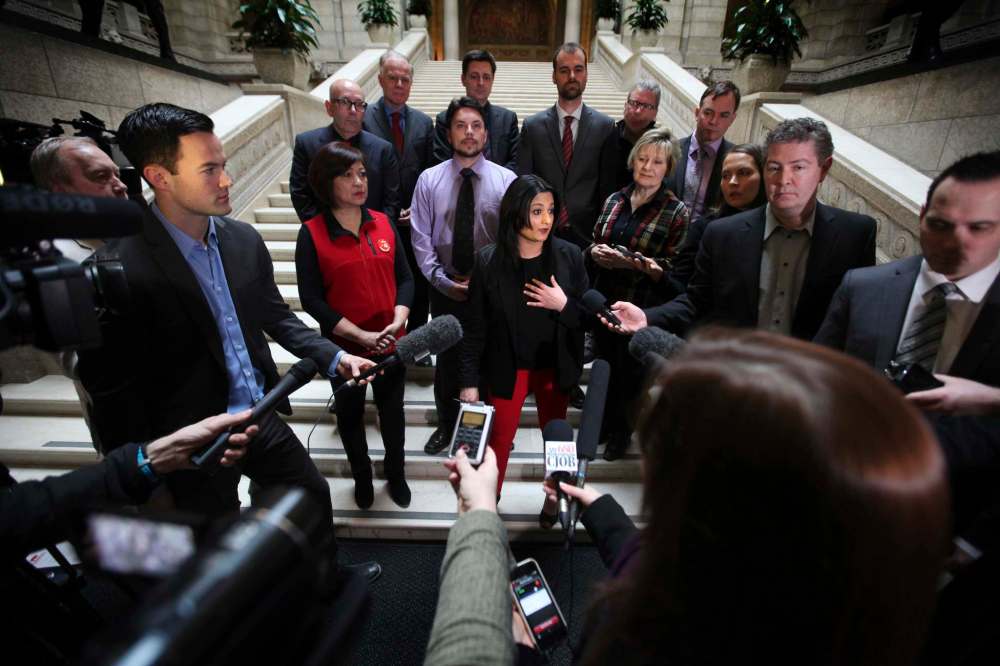
Bokhari has no political pedigree, does not hold a seat in the legislature and had almost no public profile until she began to make a series of populist policy announcements last fall, including privatizing liquor sales and urging Uber-like competition in the taxi industry.
Although she’s a lawyer, Bokhari has difficulty speaking effectively in public without notes. She is also not nearly as well-briefed on issues as her two main rivals, Pallister and Selinger. When pressed by reporters for specifics on her policies, she often says she’ll have to get back to them.
Winnipeg political scientist Paul Thomas said Carstairs was further ahead in organizing constituency associations, attracting candidates and raising money in 1988 than Bokhari is going into the 2016 campaign.
Many would say Bokhari is no Sharon Carstairs, including Thomas.
“Absolutely not. No,” he said. “There’s no doubt she has the potential to grow into the job and display more qualities that we would admire in a leader but she’s having trouble familiarizing Manitobans with who she is and what she stands for. (There have been) missed opportunities, I think.”
Christopher Adams, another political scientist, said if the Liberals are going to achieve an electoral breakthrough it’s got to be in Winnipeg.
In 1988, when the NDP was trounced, its support retreated to Winnipeg’s core and the far North.
An advantage the Liberals have this time around, though, is “the upswell of the brand of the Liberal Party of Canada,” Adams said. In April 1988, when Carstairs’ breakthrough occurred, Conservative prime minister Brian Mulroney was firmly entrenched in office and would go on to win a second majority that fall.
“The Liberal brand has been in the ascendancy in the past six months in Canada,” Adams said. “Many people in Manitoba are not embarrassed to say they feel attached to the Liberal party, whereas five years ago, they might not have said that.
“The NDP is tired and many feel it’s time for them to go. And the PCs have not been able to pull over a lot of the soft vote in middle-class Winnipeg.”