

Major Work, mixed feelings
Participants recall impact of Winnipeg grade school program on education, career choices
Advertisement
Read this article for free:
or
Already have an account? Log in here »
To continue reading, please subscribe:

Digital Subscription
One year of digital access for only $205*
- Enjoy unlimited reading on winnipegfreepress.com
- Read the E-Edition, our digital replica newspaper
- Access News Break, our award-winning app
- Play interactive puzzles
*First annual payment billed as $205.00 + GST for one year. This annual subscription will automatically renew at $233.00 + GST every 52 weeks (10% off the regular annual price of $259.35). Offer available to new and qualified returning subscribers only. Cancel any time.
To continue reading, please subscribe:
Add Free Press access to your Brandon Sun subscription for only an additional
$1 for the first 4 weeks*
- Enjoy unlimited reading on winnipegfreepress.com
- Read the E-Edition, our digital replica newspaper
- Access News Break, our award-winning app
- Play interactive puzzles
*Your next Brandon Sun subscription payment will increase by $1.00 and you will be charged $17.95 plus GST for four weeks. After four weeks, your payment will increase to $24.95 plus GST every four weeks.
Read unlimited articles for free today:
or
Already have an account? Log in here »
Hey there, time traveller!
This article was published 01/10/2016 (3617 days ago), so information in it may no longer be current.
Beginning in 1954, an experiment in social engineering was set up in several Winnipeg schools.
The program, known as Major Work, was designed to identify who were considered gifted students, remove them from the mainstream and provide enriched educational experiences and opportunities beyond the standard curriculum in a segregated environment.
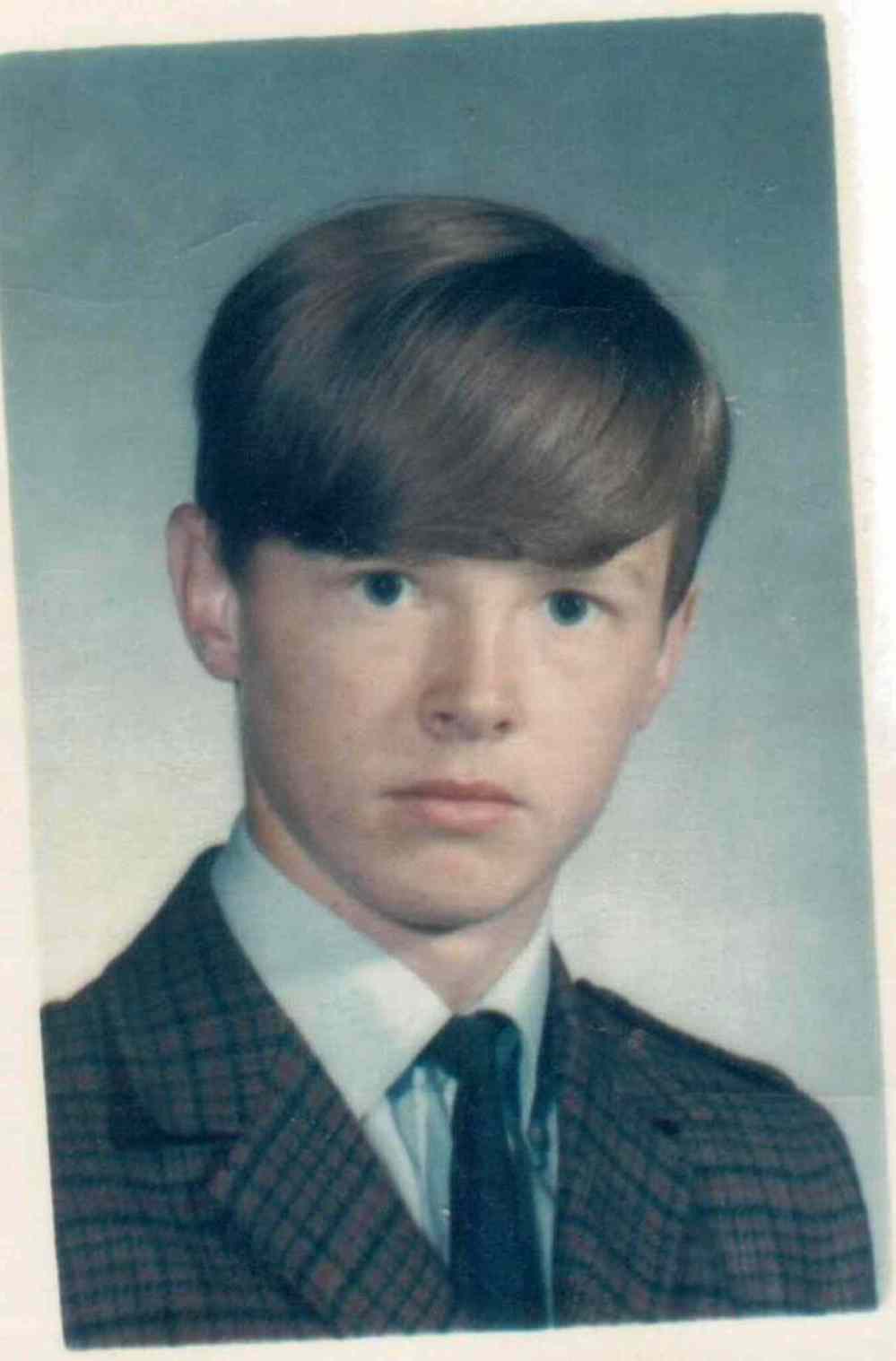
For six years, grades 4 through 9 (1961 to 1967), I was one of its guinea pigs. Major Work was discontinued by the early 1970s, when streaming became a bad word in education and inclusion, rather than exclusion, became the norm.
I thought my Major Work group was the only one of its kind. I had no way of knowing otherwise, since we existed in isolation. Years later, I learned the program operated in several Winnipeg schools, and there are a few hundred Major Work alumni. I have often wondered if their experiences mirrored my own and if the program had an impact on their further education, careers and life.
It’s difficult to find much in the way of research or reports on the program. The one study available was undertaken by Naomi Louise Hersom in May 1962 as her thesis for the University of Manitoba’s faculty of education graduate studies program. Follow-up Study of the High School Performance of Students Who Were Members of the Inaugural Major Work Classes in Winnipeg outlined the general goals of the Major Work program and its operation before proceeding with her empirical study. Hersom would go on to enjoy a celebrated career as teacher, principal, professor and dean.
According to Hersom, the objective of Major Work was not only “to encourage the development of latent abilities in superior children, but also to prevent the loss of their potential contribution to society by allowing poor work habits and attitudes to develop in the non-stimulating atmosphere of a classroom where others are not of the same calibre.”
In other words, to allow academically advanced students to be among their peers.
“Superior students’ intellectual advantage must not be wasted, but nurtured,” she noted.
“In setting up these special classes, it was recognized the bright child masters the essentials of the prescribed program in a shorter period of time than is usually allotted; that he does not require more of the same kind of work to keep him occupied, but that he does need additional activities which encourage wholesome mental, physical, and social development; and that he needs challenging work in order to derive satisfaction, to use his potential intellectual powers and in order that he may develop good study habits. The fast learner needs the association of children of ability equal to his own to challenge him and to make him realize that he has many peers.”
In Grade 3, classroom teachers were invited to identify students who were observed to be academically advanced or exhibiting potential for superior academic growth. In consultation with principals concerning the students’ social development and suitability for an advanced program, those shortlisted were administered the Primary Mental Abilities test, a standardized IQ-style test.

Students scoring 120 or above (what is generally regarded as the superior range of intelligence) became candidates for Major Work. The tests were administered by staff members of the Child Guidance Clinic. My test was held at Grosvenor School (ironically, where Hersom taught at the time) on a Saturday morning in the spring of 1961. I recall not being pleased with having to give up my free time for a school-related activity.
Parents were next invited to meet with the principal to discuss Major Work. Parental consent was required. In my case, I had already been singled out at the start of Grade 2 at Rockwood School when it was suggested I be accelerated to Grade 3, skipping a grade. My parents were more concerned about my social development and my ability to fit in with children one year older than me. On that basis, they declined. I am forever grateful for their foresightedness. My friend George skipped ahead a grade and as a result throughout his schooling never quite fit in with either his older peers or the ones he left behind.
When offered the opportunity to place their youngest child in Major Work — where I would be surrounded by peers of a similar age and academic ability —my parents agreed without hesitation. Beginning in September 1961, I entered Rockwood School’s Major Work in Grade 4.
I was joined by students I knew from my neighbourhood, as well as a number of students from other neighbourhoods who were required to travel by city bus to the Crescentwood school. I remember Bev Kurz and Barry Webb coming from Fort Rouge, Don Hester and Kenny Howard from Riverview, Marta Smith from River Heights and David Hughes from West Gate. Dahlia Haworth, visiting from England, joined our class for a time. I know there were others. They all became my new social group.
As if being academically segregated wasn’t enough, at Rockwood School we were the only class to occupy an upstairs classroom isolated from the main student body. The room was much larger than the other classrooms and had its own vestibule and library, thus mingling with the general rabble was limited to gym classes and recess. We had one teacher, Miss Pearson, for all our subjects.
It appears from Hersom’s report there was no specific Major Work curriculum. Individual teachers enriched their classes in areas where they enjoyed an interest or expertise. Particular emphasis was placed on reading and creative writing, oral presentations and individual and group projects.
Pearson must have had a preference for science, as I recall that being a frequent focus. I can definitely credit those early years in Major Work for fostering in me a lifelong love of history and recall being given additional readings on ancient societies. Classmate John Humeniuk recalls at lunchtime the teacher showing us slides from her many trips to exotic locales.

“I really liked Miss Pearson as a teacher,” said classmate Don Hester, who went on to a career as a landscape architect.
“What I recall most about the class is poetry. We had to memorize poems in Grade 4 or 5, and I recall not only the one I did: ‘On either side the river lie / Long fields of barley and of rye…’, but also some of the ones that others got to do about the ‘Fighting Temeraire’: ‘T’was eight bells ringing / And the morning watch was singing…’, as well as Tennyson’s The Charge of the Light Brigade.
“I also remember the science fair project I did in that class — on the microscope and (Antonie) van Leeuwenhoek. We went on a field trip to meet the wildlife painter Clarence Tillenius, who seemed to be a friend of Miss Pearson. To this day, I enjoy seeing his paintings at the Assiniboine Park Conservatory and the buffalo diorama at the Manitoba Museum. I went to on to junior and senior high school in the Saguenay region of Quebec… Major Work, at least, helped me somewhat in learning to adapt to new educational environments.”
“I’m not sure what was different, although we seemed to get more interesting opportunities,” said classmate Warren Mills, who also studied architecture and owns a private project-management firm.
“I remember Miss Pearson had us work with rods or multicoloured sticks that piled up to a 10-stick. That fascinated me and I believe led to my life interest in structure, architecture and building. She also brought a jar of liquid mercury into our class, and we played with it. That’s a no-no nowadays. Other than sports, we were viewed as a little odd, I felt. It was clear even then some of the characters I went to school with were brilliant. I remember getting the strap in Grade 5 or 6 for something and being warned I could be transferred ‘downstairs’ if that happened again, whatever that was.”
Rockwood School’s principal at the time I joined Major Work was Sybil Shack, one of the early proponents of the program.
One of the common criticisms of Major Work I discovered in talking with other alumni was having to relocate to a school outside your neighbourhood, often requiring public transit at a young age.

I continued in Major Work with most of my classmates through junior high at Grant Park High School. Again we had one teacher, Miss Prucyk, for our core subjects, but were able to interact more with our grade-mates. We were no longer isolated, as our classroom was simply one of many in a long hallway, and we moved for French, art, gym and music. I recall we did not enjoy much enrichment, just a lot more work.
My tenure in the program ended after Grade 9, and we all were integrated into the mainstream university entrance program. According to Hersom, the isolated Major Work program was ill-suited for senior school because of the more specialized subject areas and choices available for students. Nonetheless, individual enrichment was encouraged — although I don’t recall any of that happening for me.
As I moved through senior high and into university, my participation in Major Work receded into the distance. I was expected to keep up like everyone else. For decades, I never considered how that experience may have affected my educational and career choices.
Witnessing the Beatles’ debut on The Ed Sullivan Show in February 1964 changed my life trajectory as I became obsessed with music from that point. Truth be told, I never regarded myself as in any way possessing of a superior intellect, nor gifted, and I’m pretty certain my peers did not see me that way, either. But, in hindsight, I think my success in university was in large part due to the solid grounding and focus I received from Major Work.
Not all participants went on to higher educational pursuits and professional careers. While my class produced a few doctors, lawyers, architects, accountants and teachers (myself included), we also had a drug addict who died young. We did not become a unified force in changing the world — not that this was a stated goal of the program (perhaps more implied) — but many participants went on to enjoy successful lives.
Not surprisingly, Hersom’s study concluded Major Work students did, in fact, score higher than above-average mainstream students. Maybe it’s time to undertake a followup study on the impact the program played in shaping our lives.
Here’s what some other Major Work students recall of their experiences:
Linda Hunter
Lord Roberts School, grades 4-6, 1965-68
Grant Park, grades 7-8, 1968-70
Adult field: Accountant
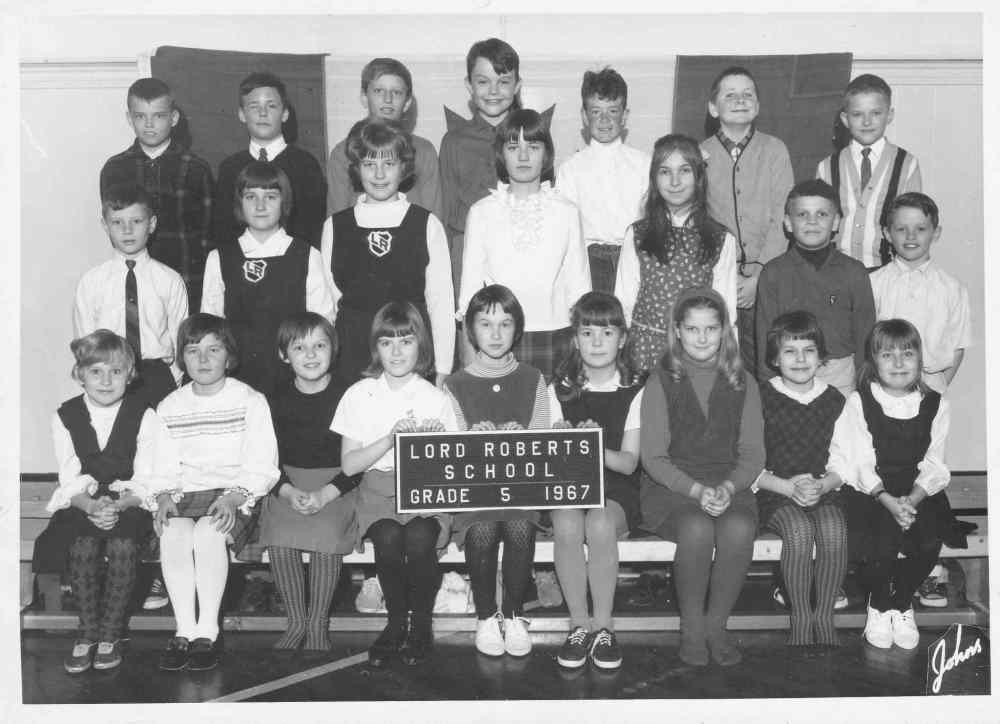
I felt like the Grade 3 teacher didn’t know what to do with me. Regular classes were not enough for me, I always finished before the other kids and did very well.
In Major Work, I remember learning different things like chess, French, and doing reading comprehension work from a special set. We did a play that we wrote, lots of projects.
The kids in my neighbourhood treated me differently because I wasn’t part of their school crowd. I had to take two buses and there was no opportunity to play with school friends outside of school because of the distance.
Before Grade 4, we all walked to school together, then, after that, it was me on the bus with my plaid lunchbox. I feel like I’ve always had trouble socializing since that time.
Dave Ediger
Principal Sparling School, grades 5-6
General Wolfe School, grades 7-8
Adult field: Environmental engineer
I remember feeling somewhat isolated in the Major Work class at both schools. We were perceived as the brainy class, which was not necessarily accurate.
There were a few advantages in being in Major Work, like getting to take auto mechanics at Daniel Mac (Daniel McIntyre Collegiate Institute) in Grade 8. By the time we started getting into hot rods in high school, I already knew the firing order for a flathead Ford V-8 engine.
Overall, however, I don’t recall the program being a particularly fulfilling experience, personally. There was an air of elitism, often on the part of the teachers, that I wasn’t really aware of at the time, but later on it became somewhat more clear to me.
In Grade 9, it was decided maybe I should go back into the regular program at Sargent Park School.
I suspect that decision was based mostly on disciplinary issues the previous year. But I was happy to get back to my local school where I could hang out with the guys from my own neighbourhood.
Richard Kachur
Faraday School, grades 4-6, 1966-69
Adult field: City clerk, City of Winnipeg

I was very impressed with the level of education I received during that time and strongly believe it greatly influenced my life, especially my educational pursuits. I hold an undergraduate degree in commerce and a master’s degree in city planning.
I believe the Major Work program was instrumental in encouraging and nurturing intellectual development. At a time when there was no computer or Google search, having up-to-date reference encyclopedias in our classroom was a big bonus.
I also remember each day a member of the class was to give a short, researched speech in front of the class on a topic of his/her choosing; public speaking at such a young age.
In addition, we developed advanced report-writing skills, which served well for university. We all had typewriting ability and research skills.
Rick Shukster
King Edward School, grades 4-6, 1957-60
Adult field: meterology
There was far less structure (traditional-class type and seating), less assembly-line type schooling.
I was treated like a nerd even though I came from the mean streets of the North End and never cared either way for school.
Major Work wasn’t for me, I guess. I was too much of a lazy smartass and didn’t try too hard. I didn’t finish high school.
I did realize later in life that if I tried and worked hard I could pretty much get a lot done and my desire to learn has increased with age.
I went back and finished school many years later, and then went to Red River Community College.
One thing I do remember is the Grade 3 teacher who flagged me for Major Work was Mrs. Loeb. Years later, I played with her son, Terry, in the band Red Ryder.
Bryan Strand
St. John’s High School, grades 7-9, 1966-69
I think the main way it enriched educational opportunities for me is it felt comfortable to be in a class comprised totally of other kids like me, which in turn made for a more nurturing learning environment. In other classes I had been in before, I had always felt a bit of an outsider.
I can remember in Grade 5 while reading out loud in class, pretending to have trouble reading and pronouncing words just so I would fit in with the other kids. When surrounded by other ‘gifted’ (for lack of a better word) students it was an opportunity to be myself.
One interesting anecdote: in every other class I was ever in I had always been the only left-handed person. However in my Major Work class, almost half the class was left-handed.
I really enjoyed my three years in Major Work. Being in the same class for three years was an opportunity to get to know the other kids and make some good friends.
Being back in the regular system for Grade 10 at Sisler (High School) with different kids in my class in a different school was a bit of a shock to my system and I never did as well academically again as I did in grades 7 through 9.
Charlotte Enns
Laura Secord School, grades 4-6, 1969-72
Adult field: Education professor and associate dean
I was moved from my home school, Wolseley School, in order to attend the Major Work program, along with a couple of other students from Wolseley School. Most of my other Major Work classmates were from other schools and were bussed to Laura Secord School. We all stayed for lunch.
I’m not sure if the work or curriculum was all that different than what other classes were doing, but it seemed quite different than what I had done in my previous grades.
We did a lot of projects, group work, and learning focused on activities. For example, I remember going to the park to measure trees and also doing a traffic study where we were each assigned to a different intersection and had to count the cars at specific times of the day.
I don’t recall being treated any differently, although we did seem to be a special class. One thing I do remember is when we were disciplined we were told by the principal that, as Major Work students, we should be examples to the other students and it was very disappointing we had not lived up to this expectation. So I guess there were those different perceptions by some of the teachers.
At some level, I realized I was in the program because I was smart or good at school so it probably fed into my beliefs achieving at school was important and valued and encouraged me to continue to strive in this way. But I’m not sure if that was already part of my nature or instilled by the program.
The idea of keeping the same teacher for several years is a well-supported educational principle. In this way, the teacher establishes a long-term relationship with the students and can really understand their needs, interests, and strengths and individualize the learning.
I also believe the focus on experiential learning (projects, hands-on activities, collaboration, etc.) was an excellent way to allow students to expand and excel in the classroom.
Steve Vincent
Carpathia School, grades 4-6, 1969-72
Adult field: Lawyer
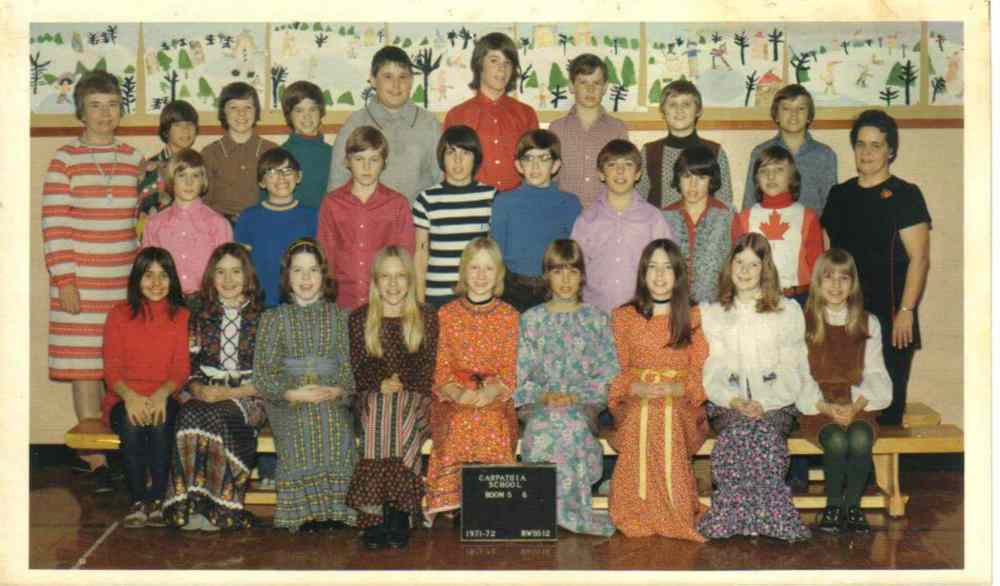
The curriculum did offer more than the regular stream. The class involved additional instruction in French, reading club (advanced reading), and the vocational skill of typing.
Some of the kids at school were military kids from the housing west of Kenaston Boulevard and they didn’t appreciate the special class in the school.
I recall some regular skirmishes at recess. But I think things got better.
We played on some school teams (speedskating) together and became friends by the end of it.
The program probably had very little career impact from what can I tell. We were such little children.
I suppose there might have been a life lesson there in if you did well academically they would actually try and make school more interesting.
One significant life impact seemed to be being in a class with the same kids for three years. Some of us still keep in touch all these years later.
Allan Doern
Carpathia School, grades 5-6, 1970-72
Adult field: Civil engineering technology
Our classroom was in a different area of the school and we also had a different recess time from the others in the same grade as us. Our lunchtime was shorter also.
I believe the reasons for some of these differences was most of my classmates were required to take the bus to school, as most of them lived a distance away.
I’m not sure how Major Work really impacted my career as I look at some of my classmates who have gone on to fairly high professional levels. I became a CET in civil technology.
These people are still my friends and we still see each other fairly regularly. We had a special bond in that class that has continued on since then.
Richard L. Yaffe
Faraday School, grades 4-6, 1964-67
Adult field: Lawyer
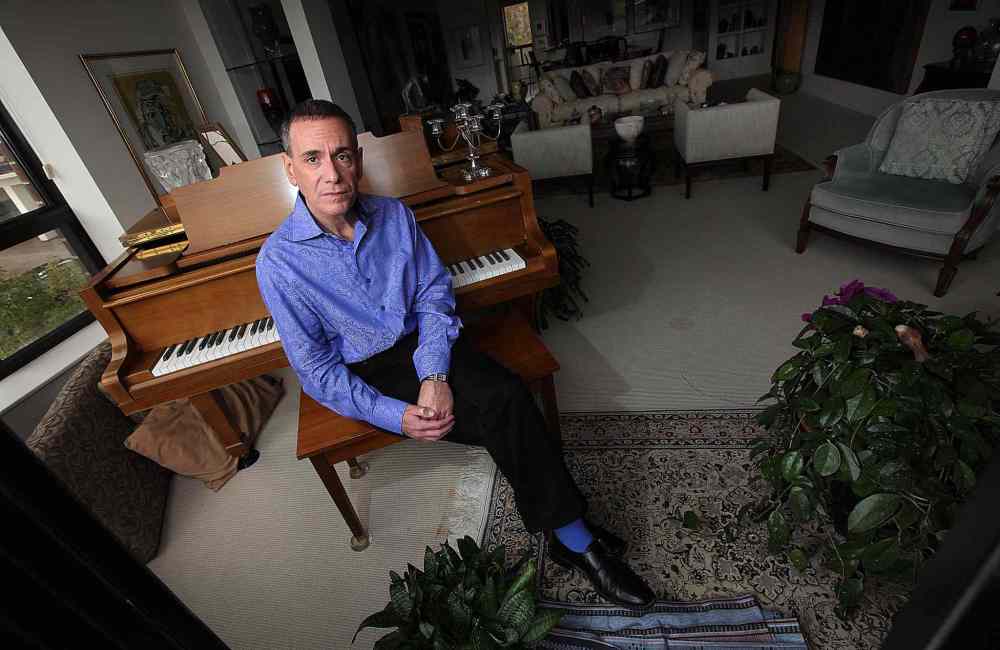
I was one of two students selected in third grade at Inkster School to attend Major Work at Faraday for grades 4, 5 and 6 — three marvelous years. There were two classes, about 50 students in total. We remained with our teacher and our classmates for three years in the same classroom.
My teacher, Eve Goszer, was one of the most inspiring influences in my life (and I’ve had many). The expectations were high and the curriculum was a challenge. We studied French (in those days, French wasn’t offered in the regular stream until Grade 7) and I was a winner of a provincial French competition. We studied literature and music. We learned public speaking.
Each of us was treated as an individual and our curriculum was, to a degree, customized to our particular interests. I was at the top of my class and Mrs. Goszer adjusted my course work in order to ensure I would be challenged and stretched. While most kids went to school to be supervised, we were there to be nurtured.
I suspect the Major Work students may have been somewhat marginalized as a result of being a unit unto ourselves, but, for me, at least, the experience was unequivocally positive and rewarding. I feel very fortunate.
I graduated arts and then law from the University of Manitoba. I have been a partner at the city’s largest law firm since 1988. I am a semi-professional musician, have chaired the board of the Winnipeg Art Gallery, am a board member of Royal MTC and the Jewish Foundation of Manitoba, and do community theatre. I have been active in arts and culture at the national level.
I attribute my ongoing desire to learn, grow and be challenged first to the influence of my parents, and then to my experience in Major Work.
Sam Broverman
King Edward School, Grade 4, 1959
St. John’s High School, grades 7-8, 1962-64
Grant Park High School, Grade 9, 1964-65
Adult field: Actuarial mathematics professor
King Edward School was a two-bus ride for me at nine years old, so for that and other reasons, including that I didn’t like the kids, I went back to Machray School and no Major Work. I started St. John’s in regular Grade 7, but my mom pestered the principal until they moved me to Major Work after about a month.
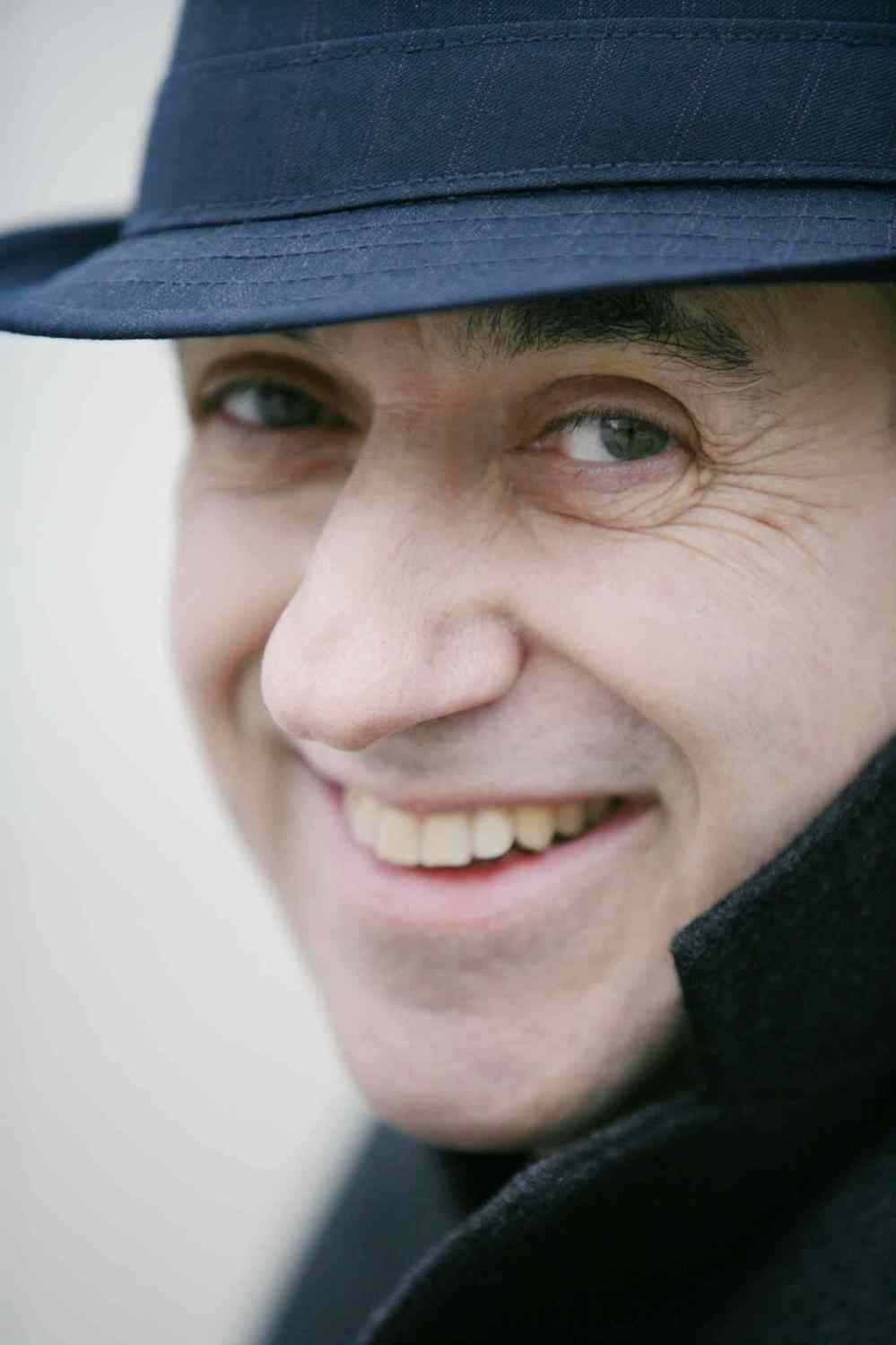
One thing I recall from that time was taking an English program which I like very much. Along with reading poetry, essays, plays, novels and such, there were additional materials that were used to help us understand what we were reading and writing about.
I recall liking learning Latin in Major Work. There was a book we used called In Muskoka, which taught the language through stories about a brother and sister who spent summer in Muskoka cottage country north of Toronto.
I moved to the south end after Grade 8 and did Grade 9 Major Work at Grant Park. The main thing I remember about Grade 9 was a great British history program we took. The books that we used were very interesting.
At St. John’s, the Major Work kids were picked on a fair amount, but not so in Grant Park.
My wife, Sue, was offered Major Work in a St. James school in Grade 4, but she declined because it would be too far from home. She went into Major Work for grades 7 and 8 at Britannia School (1964-66), but hated it. She didn’t like the teachers and she thought many of the students were arrogant about thinking they were smart.
Gayle Charambura
Greenway School, grades 4-6, 1960-64
General Wolfe School, grades 7-9, 1964-67
Adult field: Office work, telecom technology
In the first three years, I suppose I did not notice much, but I was not one who socialized.
But, over time, I found I was in a nowhere land. I could interact with those in my Major Work class, but then everyone went home to their own parts of town and I went home to my family.
I found I had nothing to say to my peers in my own neighbourhood. We could not discuss school as nothing I was taking was the same as the kids on my block. A slide rule? What’s that?
The impact it had on me was to solidify in my mind that if I had a brilliant child, I would fight tooth and nail to ensure she attended school with her peers and not be ushered off to some corner for some different type of education.
I am not against enrichment, but if it removes one from their environment you may be doing more harm than good.
Marie Mackintosh
General Wolfe School, Grade 7
River Heights School, grades 8-9
Adult field: Teacher, author
We were an odd cluster of mismatched teens who did not change classes like everyone else; an eccentric elite who studied Latin, entered science fairs, and played musical instruments, but remained aloof from all but obligatory home-room sports.
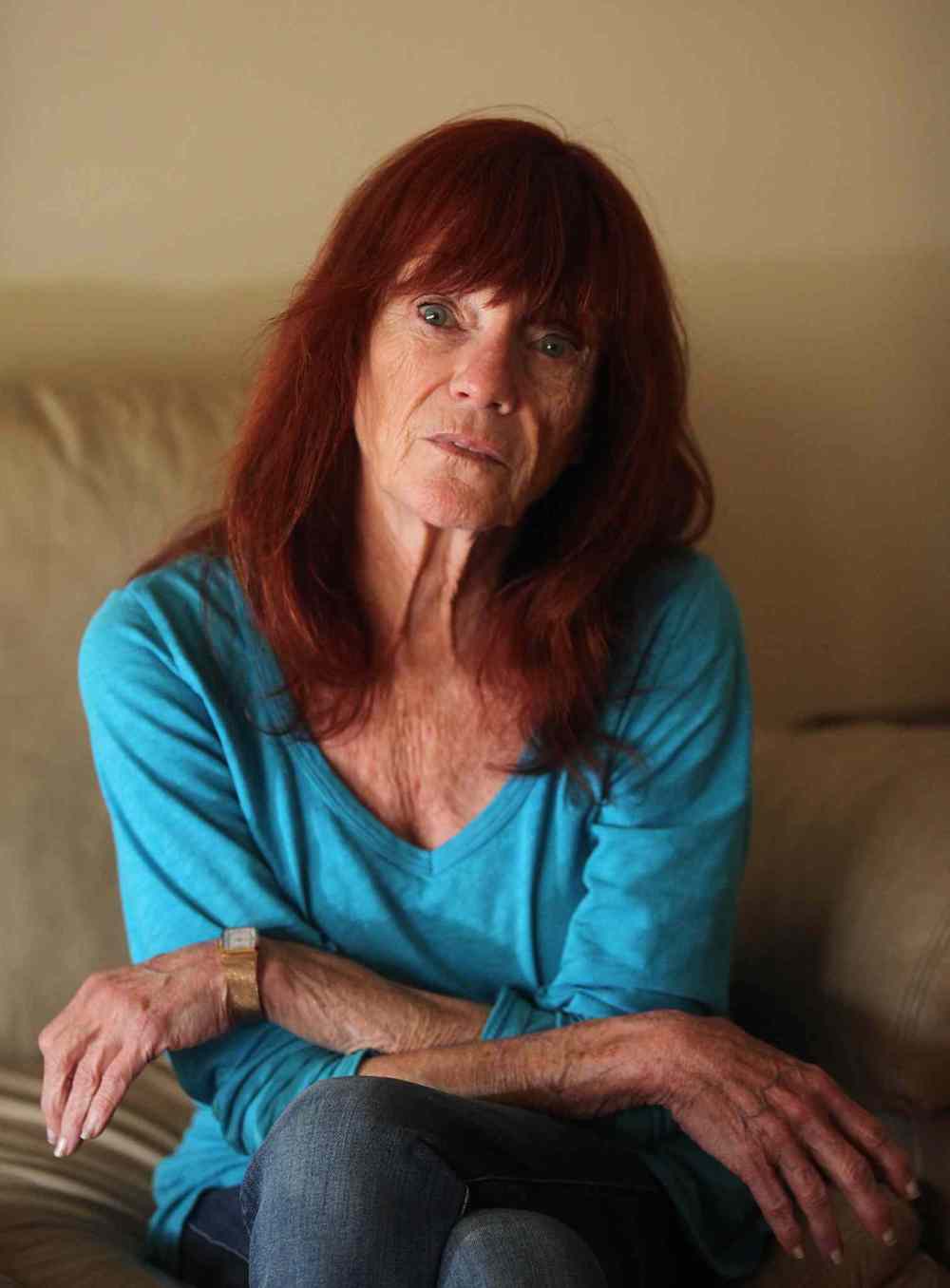
At General Wolfe, the few people who had actually heard of the Major Work program equated us with ‘brainiacs’ or in contemporary terms ‘nerds.’
At community club dances, admitting you were in Major Work was like the kiss of death for your aspirations as dance partner. At River Heights, it was a more dismal story where there were only four girls in a class of 20.
My experience during the Major Work years was strange and bittersweet. I never had to apologize for my background knowledge, cultural leanings or creative interests. My family was from Scotland and I had early on been exposed to many musical, literary and intellectual influences that many of my friends lacked. I found kindred spirits in the Major Work milieu and felt free to express my interests without feeling set apart.
Our group in Major Work was like a band of ‘secret sharers,’ a special circle in which we accepted one another’s dreams, passions and unique talents without embarrassment or ridicule. In some ways, it was like being at Hogwarts academy (of Harry Potter fame) and knowing you were free to use your native talent and encouraged to excel by your peers as well as teachers.
Oddly enough, I remember little competitiveness and no bullying. We were on a journey of discovery rather than an academic forced march.
Most of us were wildly different. It was not unusual to have a classmate who was building a telescope for the science fair, another playing in the junior symphony, or a third writing a novel about the rest of us. However, it did set us apart from the ‘real’ junior high experience.
Most of my academic reinforcement and also my joy of learning came from the other students who were, like me, trying to succeed as scholars and human beings. Major Work certainly was a formative and for the most part, happy time of my life. Some of my Major Work classmates remain close friends to this day.
An interesting post script: I have met people that I was drawn to as particularly interesting and unique individuals who, I later learned, had attended Major Work in other places and different years. Maybe we should have a secret handshake.
Jack DiCosimo
Gordon Bell School, grades 7-9, 1963-66
Adult field: Vice-president of operations
We were somewhat removed from the regular-stream students. For the most part, we simply ran in a different orbit and didn’t have much interaction. However, by placing us with others who were similar we knew that we were not alone ‘out there’ and as a result we felt more secure.
The program had a positive effect of my life and career. I was used to having more demanded of me and I was just as demanding of the people that I worked with. To me, that was a normal state of affairs. This resulted in a very successful career in operations.
The program also encouraged us to dig deeper into the subject material and try to figure out how things worked, especially in the sciences. Curiosity and divergent thinking was encouraged. Once this was instilled in us, it never went away. The Major Work program expected more of us and we became used to delivering more. It encouraged our curiosity and made learning and working to a higher standard fun and interesting. I would have been quite bored in a regular class and, not knowing any difference, would have accepted lower standards.
Lisa Watt (nee Gray)
Victory School, grades 4-6, 1962-65
Adult field: Teacher
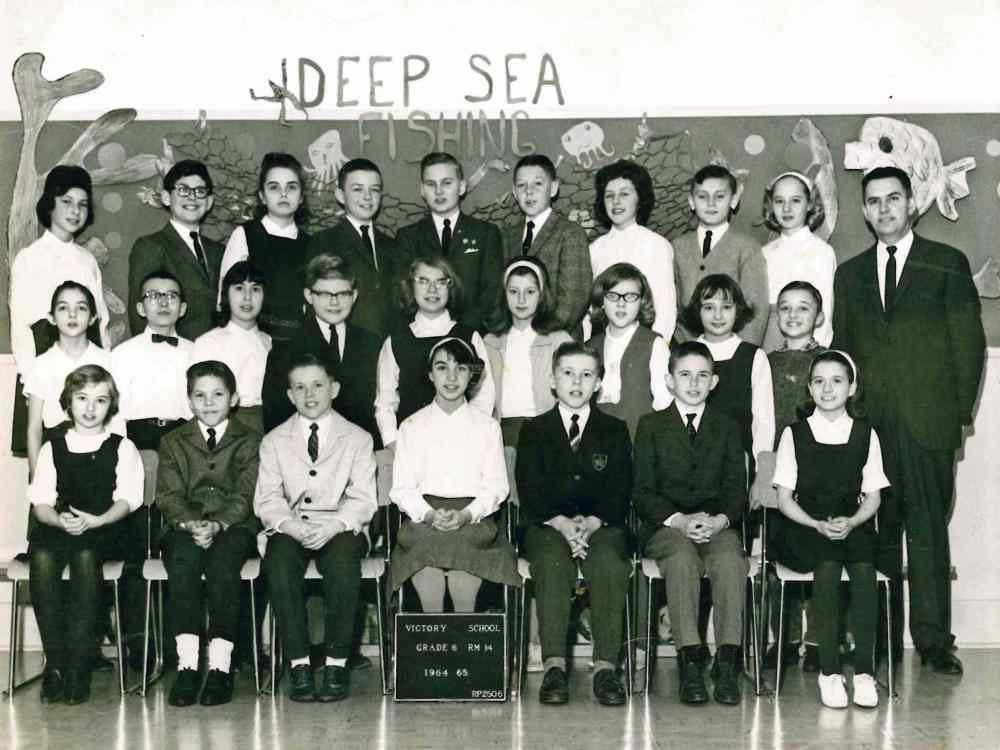
My memories are extremely pleasant as I remember the bond we shared. I don’t ever recall anyone being precocious or arrogant, we simply felt honoured to be part of this group. I also have no recollection of being bullied or harassed in anyway by the regular-stream kids.
The effect of Major Work on my life and career was profound. Every day, I would sit from 10 o’clock on in Mr. Kroeger’s class watching the clock tick by until 10:17.5 when Miss Dale would arrive. Miss Dale was the French teacher and, I recall, very young and pretty, always rushing in with a dramatic flair, breathless and exuberant to teach us just a little bit more of my beloved French. She called me Elise and to me it was the most beautiful sound I had ever heard. She explained it would be ‘Lisa’ in French.
I have so loved the name and the happy memories it conjures up (that) my daughter, in honour of this, recently gave her daughter this as a second name. The 12.5 minutes passed far too quickly and it saddened me every day to go out to recess at 10:30 because that was the end of French class.
My studies in French continued right through an honours French degree at the University of Manitoba.
I pursued my education degree after that and taught for 30 years as a French specialist, retiring from Hanover School Division in 2013.
So you see, my entire life has been profoundly affected by Major Work.
Evelin Anderson
Robertson School, grades 4-6
St. John’s High School, Grade 7
Adult field: Teacher
I remember some of the other kids calling us the ‘Major Jerks.’ Of course, that didn’t stop me from making friends with many of the students in the other grades.
I really enjoyed the time in Major Work as we got to do things that no one else was doing. We learned to type in Grade 4. We started French in Grade 4. We read chapter books as a group, almost like a book study. We got to do neat projects.
We were together with children we would never have known otherwise because the class was made up of students from a variety of elementary schools. You really got to know the other children well.
We had to take a public transit to and from school and we were the only students who stayed for lunch. We ate in our classroom.
I, personally, thought the whole experience was great.
Jeff Hatcher
Faraday School, Grade 4, 1966-67
Queenston School, grades 5-6, 1967-69
Adult field: Clinical counsellor, music therapist
I attended two schools because my family moved part way through the three-year program. From fall of 1966 to the end of the 1967 school year, I bused to Faraday School when we lived in the North End. My family moved to River Heights during (Canadian) Centennial summer and the nearest program was at Queenston School. I went there for the remainder of the three-year Major Work program.

We experienced, as I recall, a minimum of snobbery or other negativity from students in regular classes — the ‘Oh-you-think-you’re-so-special’ stuff — and my overall memory is of moving along in parallel with the other classes. I would say, because of the extreme hard work and dedication of the two teachers I had — Mr. Laycock at Faraday and Mr. Hughes at Queenston — I really became excited about learning, and loved doing so in a relaxed, exam-free environment. If we had tests I don’t remember it; I don’t recall having the stress that usually accompanies the activity.
We also had a differently structured school day than I was used to. Sometimes, a particular lesson would last all morning or even all day. We had a mock parliament during the election year of 1968 when Pierre Trudeau was first elected prime minister. The class held debates between student teams.
We had reading clubs and chess clubs. I don’t know if other classes had these things for students of that age (nine to 12). Also, the students became very close. I remember every person with whom I attended the program 50 years later and I cannot say the same about the regular school stream I entered in Grade 7. My feeling has always been we had been given the chance to do things in class that would normally happen when we were older.
Though my professional training is not in education, I still have strong feelings about how children learn and what works and what does not. Critical thinking and being prepared to be wrong were principles I learned in the Major Work program. I am forever grateful to have had the teachings I had from Laycock and Hughes. If they are alive to read this: there is no question your efforts enriched my life for the better.
Postscript: former Major Work student and now professor of education at James Cook University in Cairns, Australia, Reesa Sorin (Brock Corydon School, grades 4-6, 1960-64; River Heights School, grades 7-9, 1964-67), is conducting research about the Major Work program and invites former students to participate in a survey and possibly a focus group or individual interview. Email Reesa.Sorin@jcu.edu.au for further information.