Learning to dive
After Rob Williams fell in love with snorkelling, the natural next step was scuba
Advertisement
Read this article for free:
or
Already have an account? Log in here »
To continue reading, please subscribe:
Monthly Digital Subscription
$1 per week for 24 weeks*
- Enjoy unlimited reading on winnipegfreepress.com
- Read the E-Edition, our digital replica newspaper
- Access News Break, our award-winning app
- Play interactive puzzles
*Billed as $4.00 plus GST every four weeks. After 24 weeks, price increases to the regular rate of $19.95 plus GST every four weeks. Offer available to new and qualified returning subscribers only. Cancel any time.
Monthly Digital Subscription
$4.99/week*
- Enjoy unlimited reading on winnipegfreepress.com
- Read the E-Edition, our digital replica newspaper
- Access News Break, our award-winning app
- Play interactive puzzles
*Billed as $19.95 plus GST every four weeks. Cancel any time.
To continue reading, please subscribe:
Add Free Press access to your Brandon Sun subscription for only an additional
$1 for the first 4 weeks*
*Your next subscription payment will increase by $1.00 and you will be charged $16.99 plus GST for four weeks. After four weeks, your payment will increase to $23.99 plus GST every four weeks.
Read unlimited articles for free today:
or
Already have an account? Log in here »
Hey there, time traveller!
This article was published 07/04/2018 (2920 days ago), so information in it may no longer be current.
The first time I went snorkelling in Cuba, I was hooked. The feeling of floating on top of saltwater looking at schools of fish, colourful corals and dancing sea life was unlike anything I had experienced growing up on the Prairies.
After numerous holidays and snorkeling excursions, scuba diving was the next logical step.
I tried a number of different “discover” scuba lessons in Mexico and Cuba over the years and couldn’t get enough. The sensation of being weightless underwater, free of gravity, felt like flying (I later found out I was not the only one to feel this sensation). I imagined that is how astronauts feel.
I never had the time or money to get my open-water certification while on holiday, but last year I vowed to have everything in place to finally get certified the next time I booked a trip. In November, we confirmed a trip to Oahu, Hawaii, for February. That gave me a few months get things in order.
It turns out, you can be ready in less than a month.
The next step on my journey began on Portage Avenue at Underworld Scuba and Sport, which was surprisingly busy on a crisp winter day.
“It’s literally people wanting to leave. People get tired of the cold, dreary grey winter and want to get out of this and get into the sun,” says Tessa DeSousa, who opened Underworld 21 years ago.
Getting an open-water certification consists of three parts: academic knowledge, confined water training in a swimming pool and open-water dives in a lake or ocean.
Divers must complete a medical questionnaire and get a doctor to sign off on any health issues such as heart troubles, back pain or hearing problems. Even taking prescription medication requires a visit to the doctor first.
I decided to do the first two parts of the PADI (Professional Association of Diving Instructors) certification process in Winnipeg in order to spend less time studying while I was on holiday.
“The goal is to get you comfortable here and ready for the ocean. You can work through issues on your own timeline as opposed to doing it in a week,” DeSousa says.
Here is the basic process of getting an open-water certification. Divers between the ages of 10 and 14 can get a junior open-water certification.
Academics
The PADI open-water diver manual is a 248-page textbook divided into five sections that correspond with what divers will learn during the pool training. Each chapter has multiple-choice exercises throughout and a two-page quiz at the end, which is marked by a staff member at the dive shop. Any mistakes are explained so the diver understands the correct answer.
As part of the exam process, there are an additional four quizzes and another test using a dive-planning calculator, known as an electronic recreational dive planner.
Learners can also use old-school dive tables, too. People who own a dive computer do not need to do the dive-planning tests since computers that look like giant wristwatches, automatically determine variables such as how long a diver can stay at certain depths and required surface intervals.
There is a 50-question multiple-choice exam and a 10-question exam using the dive calculator. Students need to get 75 per cent correct to pass. I got four questions wrong.
Confined-water dives
The pool training is where you put what you have read in the dive manual to the test.
Trained instructors at swimming pools across the city teach students everything about diving, from how to set up the equipment to how to enter the water, safety precautions, mask defogging, emergency procedures, achieving correct buoyancy and assisting other divers.
Each of the pool sessions corresponds to a chapter in the book, so most students do five sessions, although it can be done in as few as four visits or more than five, depending on the student and how quickly they master each objective. The goal is to ensure people know what they are doing no matter how long it takes, DeSousa says.
“It’s performance based: you get a pass when you pass,” she says.
After reading the first chapter, I joined about 15 other divers at Cindy Klassen Recreation Centre on a Thursday evening. Divers were grouped together with trainers based on which stage of the program they were taking, but each person had a buddy since one of the main tenets of diving philosophy is that no one dives alone.
My buddy was Dean, who appeared to be in his mid-40s like me and had about the same amount of experience with discovery dives. Travis was our instructor that first day, but we would be paired with a different trainer throughout the weeks to prevent instructor dependency.
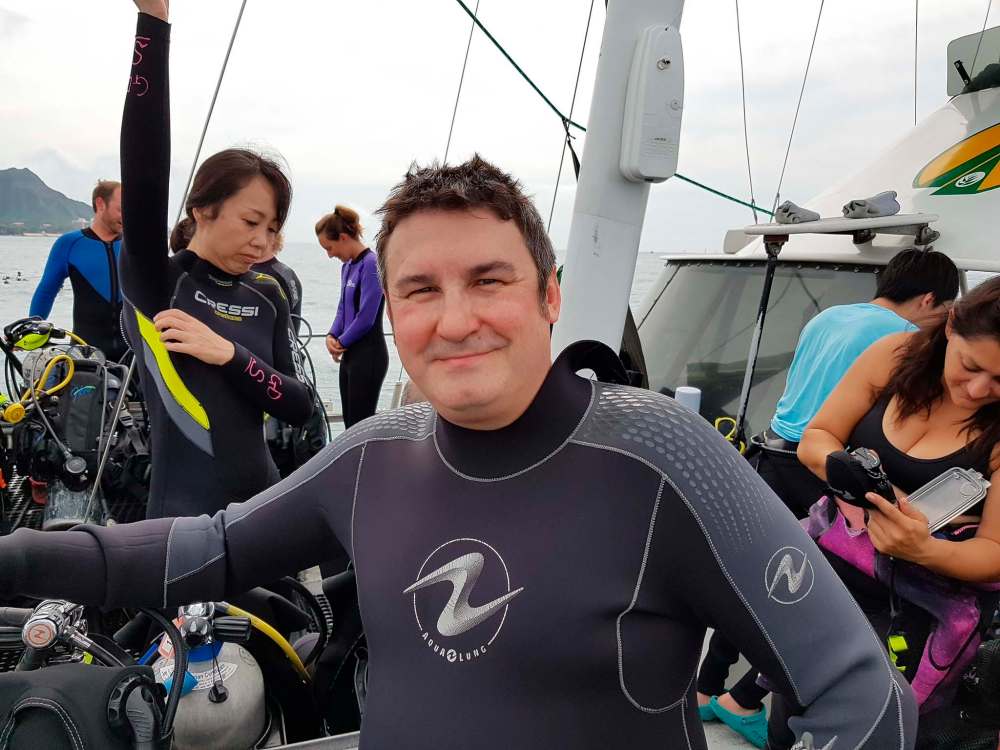
As part of the course, all relevant equipment is provided, including masks, snorkels, fins, air tanks, regulators and buoyancy-control devices.
During the next weeks, we learned everything we would need to know about diving. Each instructor was uniformly excellent, patient and answered every question we had. They all love diving and enjoy sharing their knowledge with newcomers. (I soon learned the diving community is a very supportive group, both in person and online.)
There is also a swimming and treading-water test I wasn’t aware of. Before attending a session one night after work, I made the unfortunate mistake of eating a curry dinner half an hour before class. I am a fairly strong swimmer, but those eight laps in the centre section of the pool (where I took swimming lessons as a child) were the toughest of my life. Don’t eat a big meal before getting into the water.
Open-water training
The open-water training portion takes all the skills a diver has learned in the pool and transfers them to an ocean or lake. In Manitoba, all dives are done in the cold water of West Hawk Lake. For those more into tropical scuba diving, completing the academic and pool training sessions ahead of time means you only have to do four open-water dives at a certification centre of your choice wherever you want.
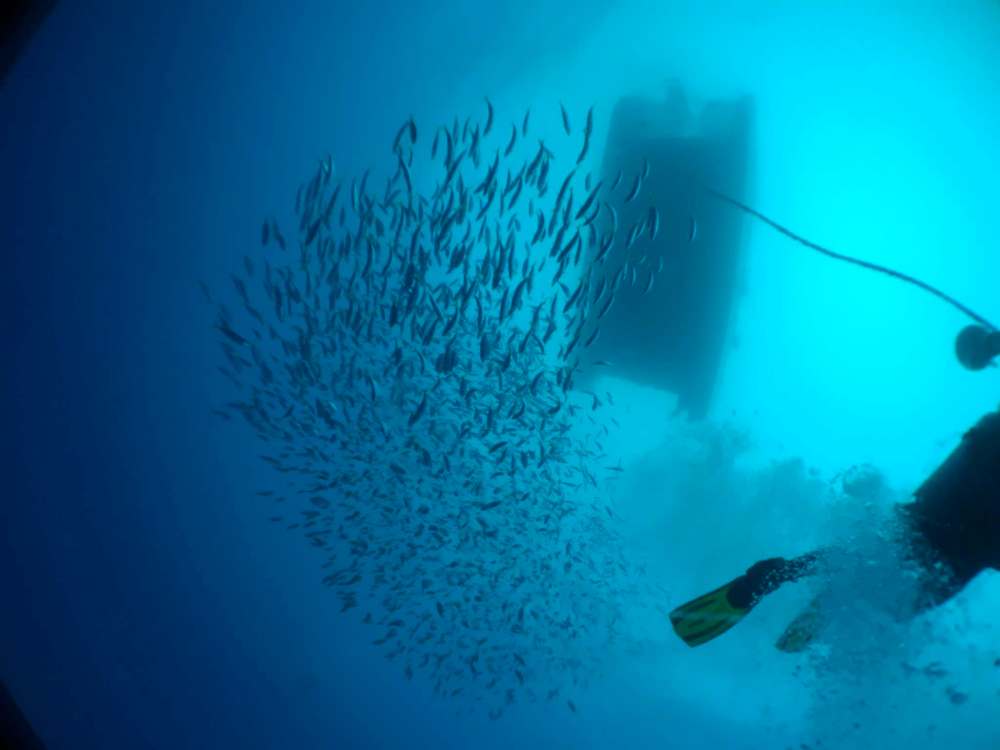
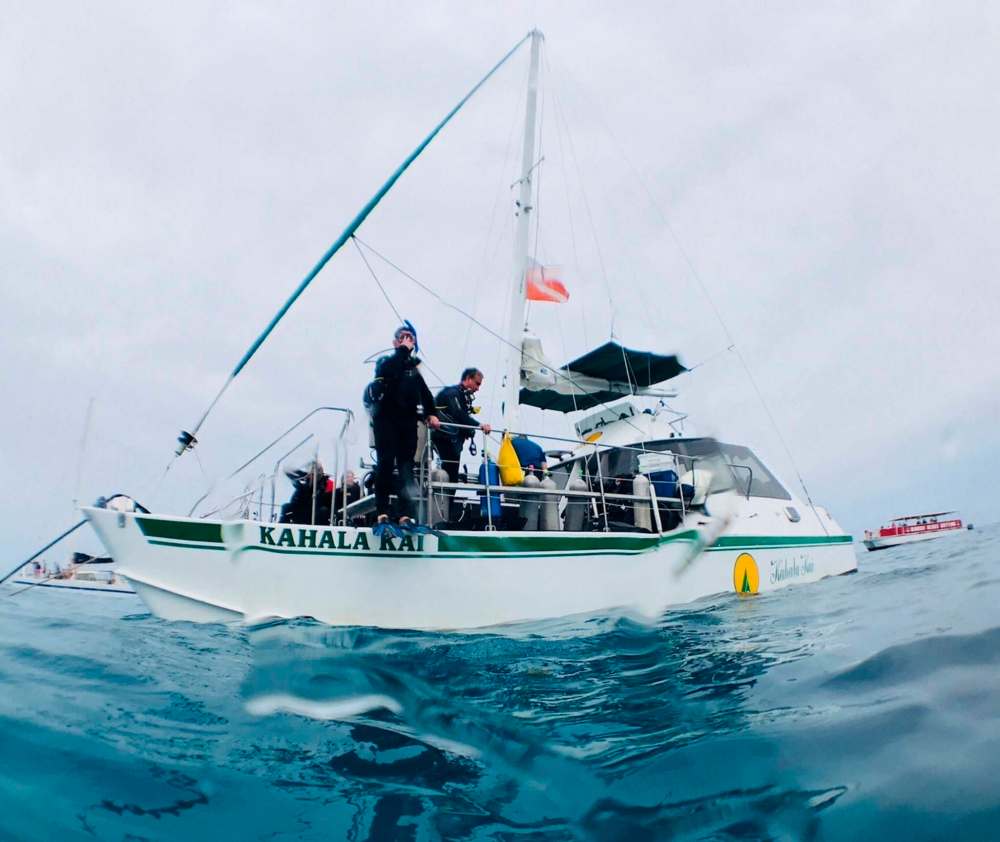
I completed my open-water certification in Hawaii in February. I was staying on the north shore of Oahu and signed up with Surf N Sea in Haleiwa. Since the north shore is better suited for surfing than diving in the winter, my instructor Jaline “Charlie” Seruge and I drove to Honolulu to complete the dives off a boat on the west side of the island within sight of the famous volcanic cone, Diamond Head.
The hour-long drive to the Kewalo Basin Harbor gave me a chance to learn about what we would be doing and seeing during the four dives over the next two days. Seruge is also an environmental scientist who has logged thousands of dives, so I felt confident with her as my guide.
The tests were similar to the pool sessions, with the added skill of learning to properly navigate underwater using a compass and using extra weight to account for the added buoyancy of saltwater and wearing a wet suit.
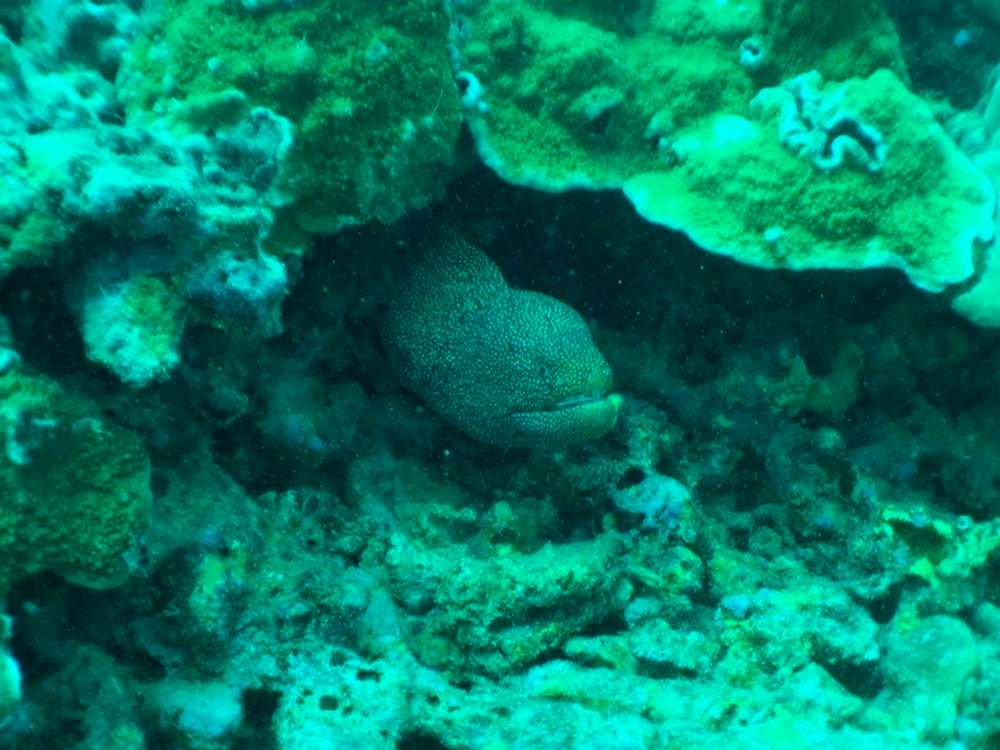
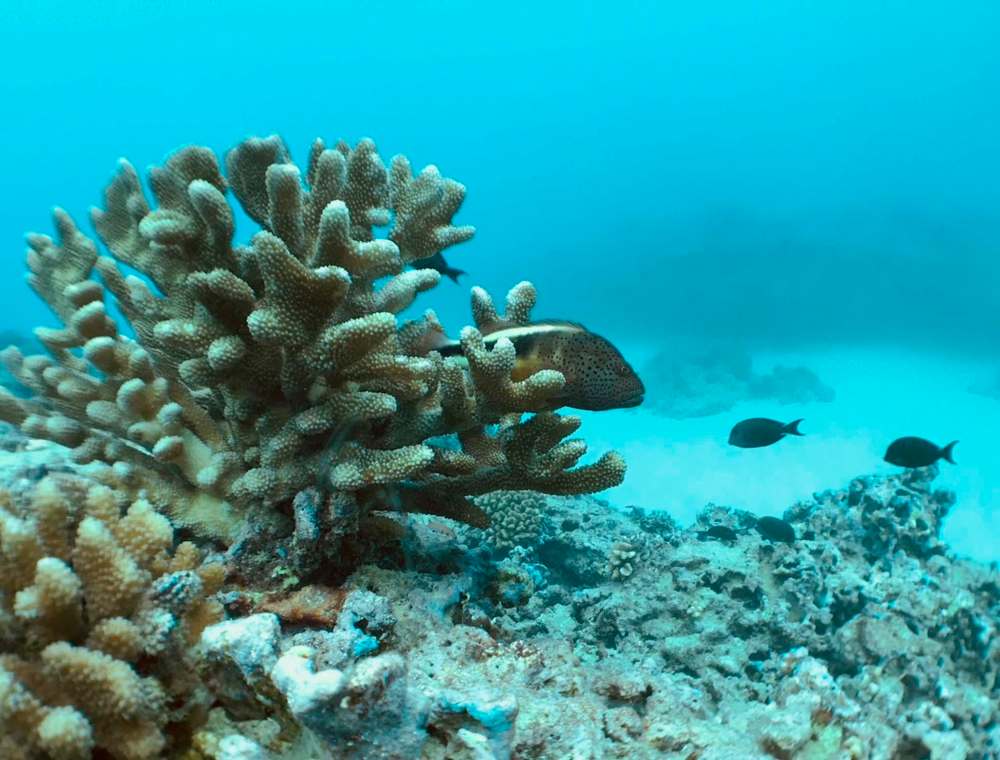
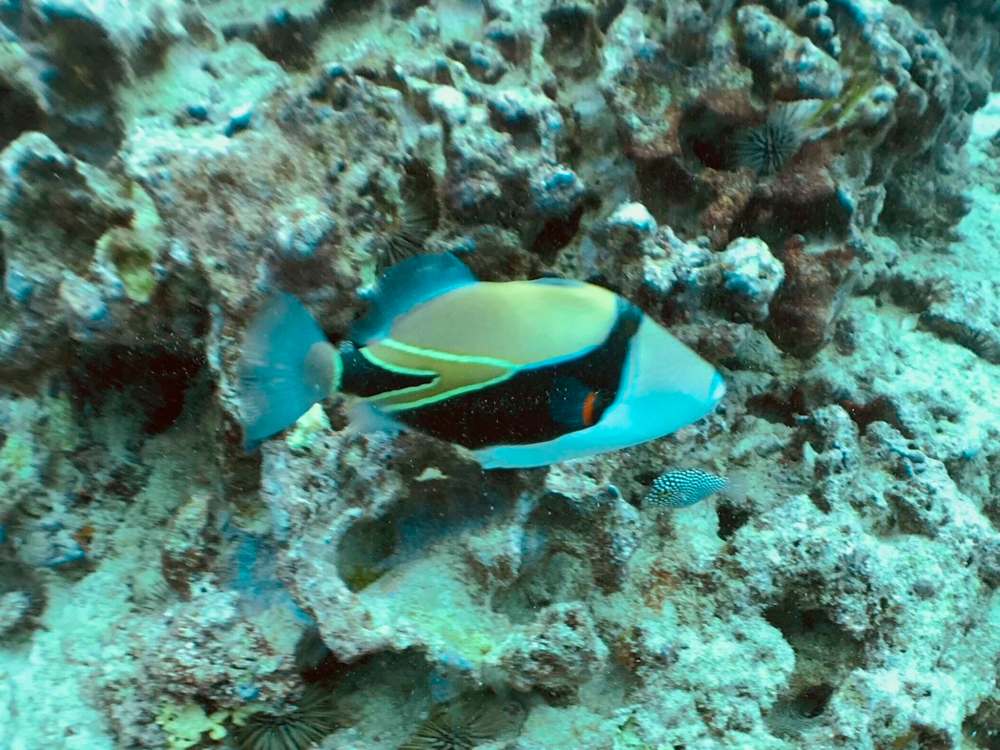
The dives were perfect and while the coral wasn’t as vibrant and colourful as it is in the Caribbean or in more tropical locations in the Pacific Ocean, the underwater world was filled with life. We saw turtles, reef sharks, octopuses, moray eels, Moorish idols, parrotfish, butterflyfish, cornetfish, wrasses, spotted boxfish, tangs and the wedgetail triggerfish known as humuhumunukunukuapua`a, Hawaii’s state fish.
Yes, I bought an identification book.
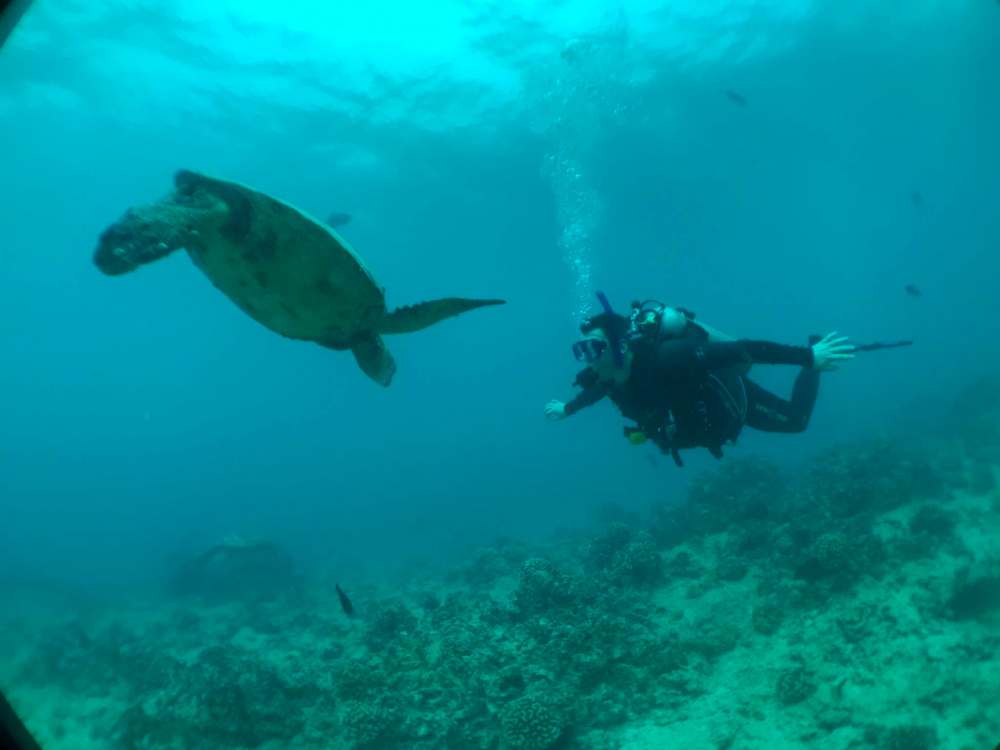
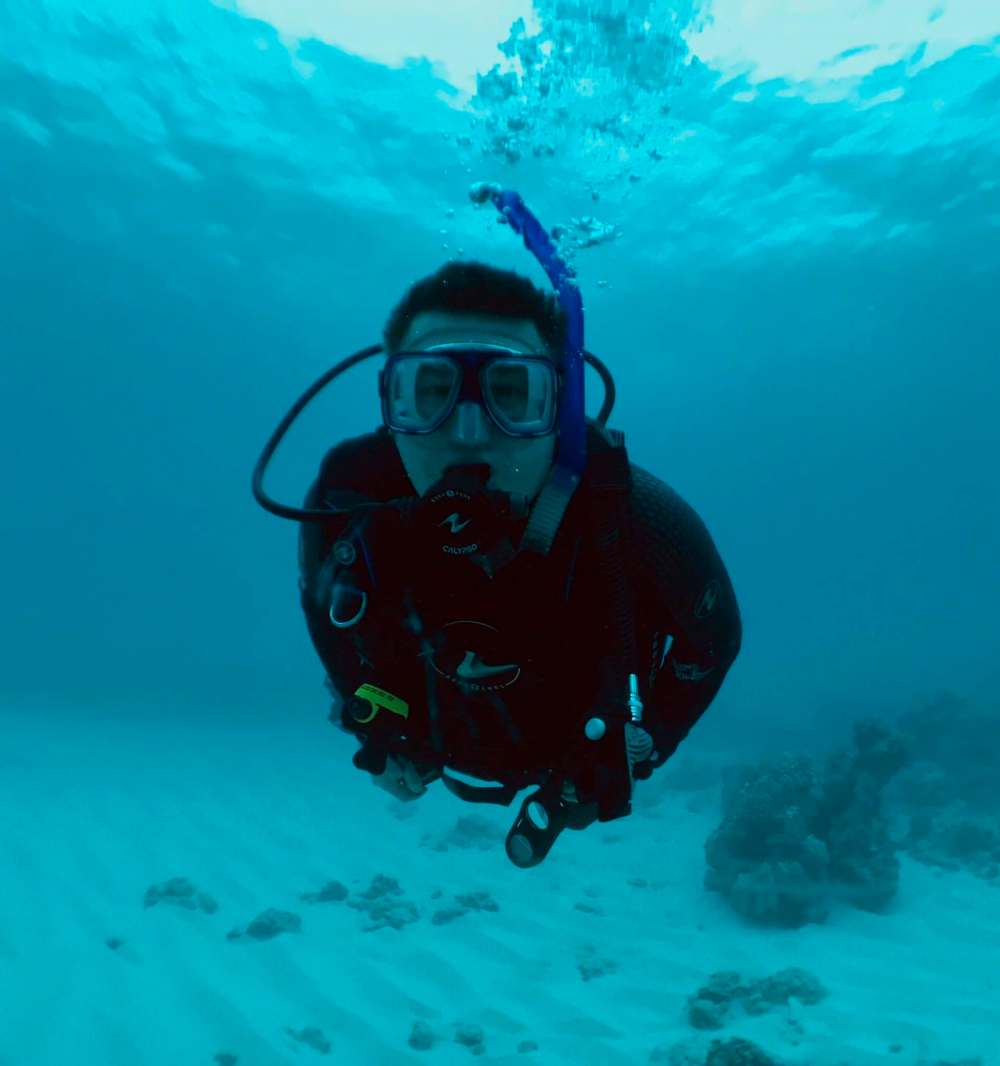
The feeling of being underwater is one of weightlessness and being hyper-aware of everything around you while seeing things you can’t see anywhere else. On only one occasion, I felt a small moment of apprehension as I started to descend, but taking deep, steady breaths and looking down helped that feeling pass quickly.
It wasn’t that easy for everyone, though.
During one dive, a member of our group got sick underwater, but she didn’t forget her training and vomited into her regulator before cleaning it out. (Vomit exits the same way air does and there is a purge button to help clear it. You should never remove your regulator while throwing up since it is common to breathe in while getting sick, which you don’t want to do underwater.) I didn’t see her get sick, but there were more fish in the area soon after!
I passed all the tests and signed up for two more dives with Charlie, including a wreck dive to the purposely sunken ship Sea Tiger — my first as an officially certified diver.
Once open-water certification is completed, divers can branch off into other specialties, such as night diver or underwater photographer, or go for advanced open-water diver certification, which allows divers to go deeper and get adventure diver certificates in things such as wreck dives and cavern diving.
That’s where I’m headed next.
rob.williams@freepress.mb.ca